Water Damage Restoration in Tampa
Standing water needs a clear next step. From a soaked bungalow to a leaking upstairs apartment, cleanup begins with safe access, a controlled source and a measured plan for the affected materials.
(888) 621-2041Discuss the damage inside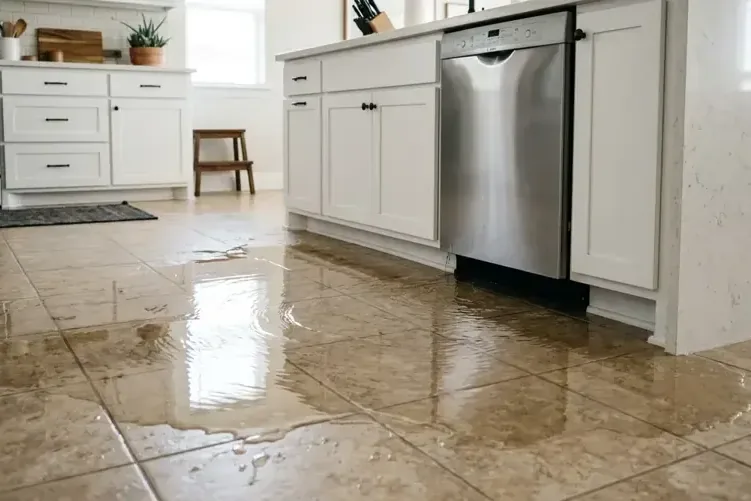 Water removal before repairs
Make the affected space safer first
A wet floor can hide electrical hazards and a soft ceiling can fall. These initial decisions protect occupants while the source and cleanup needs are assessed.
- Stay clear of electricity
Keep everyone away from water around outlets, cords or appliances. Electrical isolation belongs with a qualified professional when access is unsafe.
- Control incoming water
An accessible supply valve may stop a plumbing leak. Avoid entering a flooded room or reaching across powered equipment to operate it.
- Record the starting condition
Photographs from a dry doorway can capture water depth, damaged belongings and the apparent source before removal changes the appearance of the room.
- Describe the affected materials
Mention soaked carpet, swollen cabinets or overhead sagging when arranging help. Those details shape the equipment and safety assessment needed at arrival.
Different leaks need different cleanup plans
Water may enter through a roof, escape a pressurized pipe or return through a drain. The service descriptions below separate those situations and explain the next practical step.
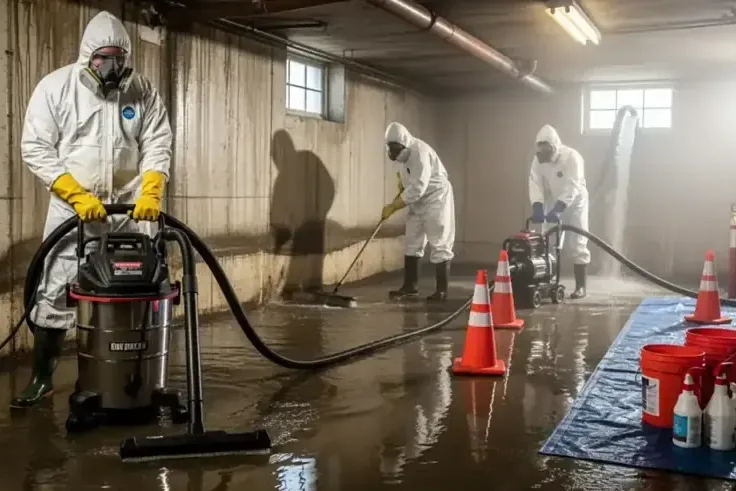 01Sewage Backup CleanupWastewater returning indoors requires restricted access and controlled removal. Affected porous materials and remaining hard surfaces need separate decisions within a contained cleanup area.Sewage Backup Cleanup
 02Water Extraction & RemovalStanding water removal targets the liquid held in floors and furnishings before drying equipment addresses moisture remaining inside the building materials and concealed edges.Water Extraction & Removal
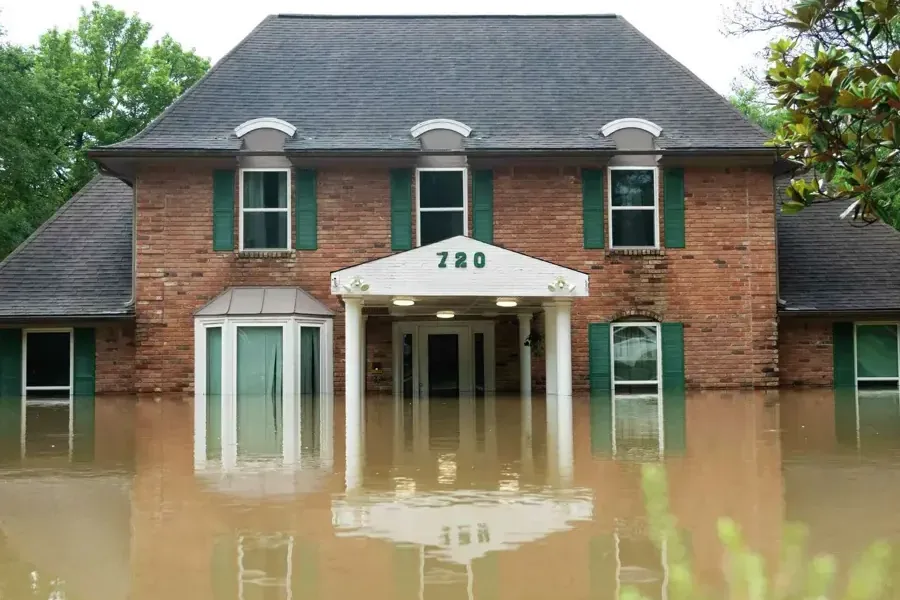 03Storm Flood CleanupOutdoor floodwater can carry soil into rooms and wall cavities. Cleanup includes assessing contamination, clearing affected materials and drying the structure after safe entry.Storm Flood Cleanup
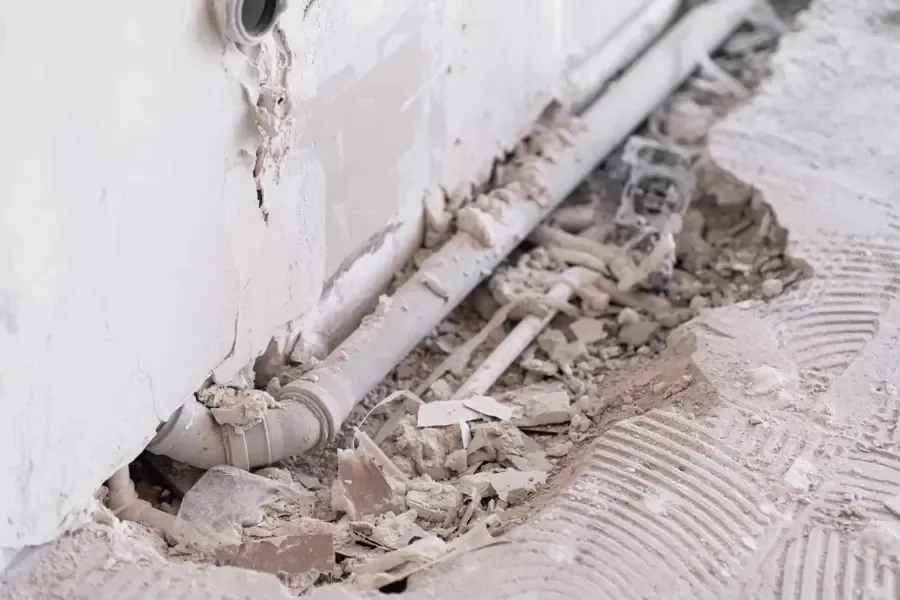 04Slab Leak Water DamageDamp flooring over concrete calls for a moisture survey and plumbing diagnosis. Access for the pipe repair and drying the floor assembly need coordinated planning.Slab Leak Water Damage
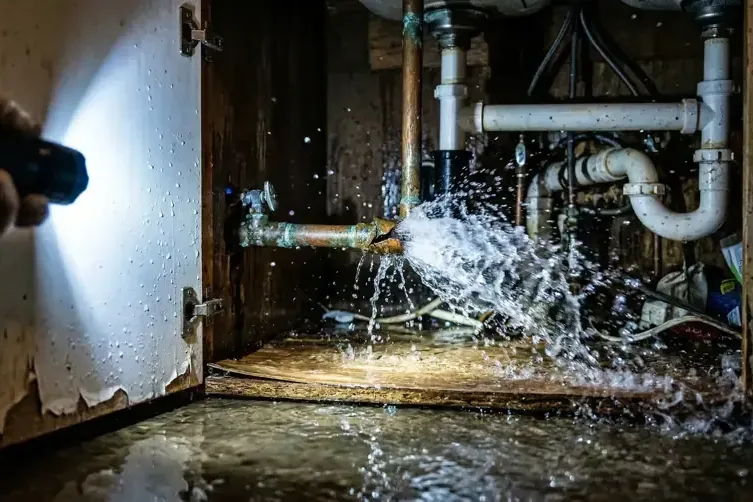 05Burst Pipe CleanupA broken supply pipe can soak adjoining rooms while water continues flowing. Shutoff, extraction and checks below cabinets help establish how far the release traveled.Burst Pipe Cleanup
06Appliance Leak CleanupA dishwasher or washer leak can disappear beneath fixed cabinetry. Appliance isolation and careful checks behind the machine help reveal damage beyond the visible puddle.Appliance Leak Cleanup
05Burst Pipe CleanupA broken supply pipe can soak adjoining rooms while water continues flowing. Shutoff, extraction and checks below cabinets help establish how far the release traveled.Burst Pipe Cleanup
06Appliance Leak CleanupA dishwasher or washer leak can disappear beneath fixed cabinetry. Appliance isolation and careful checks behind the machine help reveal damage beyond the visible puddle.Appliance Leak Cleanup
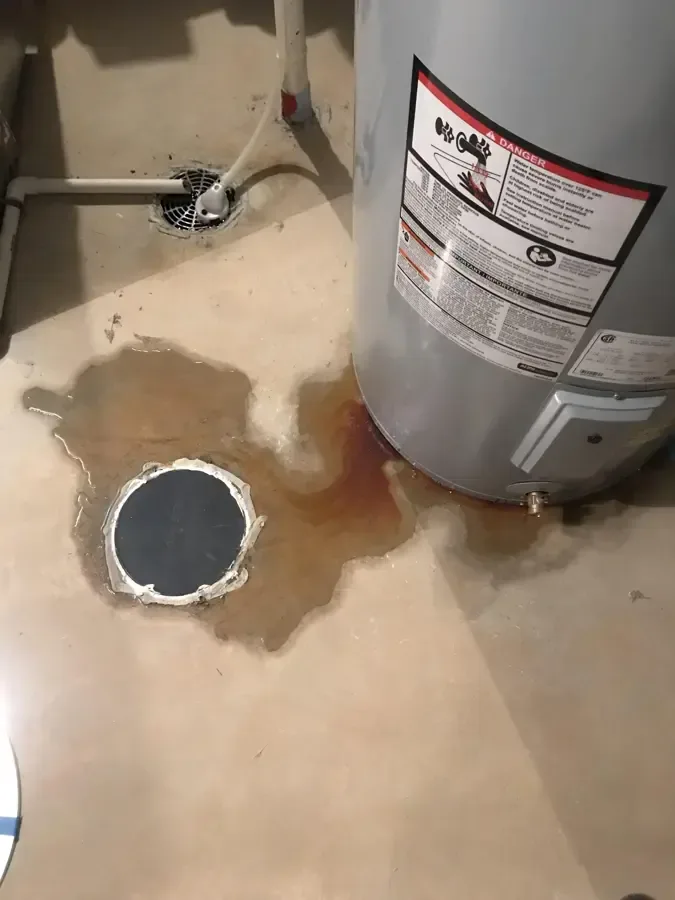
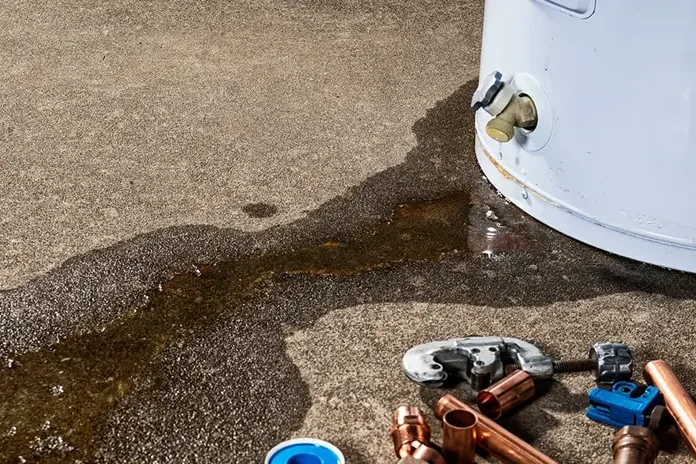 07Water Heater Leak CleanupWater escaping a heater may reach nearby storage, walls and flooring. Equipment safety and the source repair come before drying a wet closet or garage.Water Heater Leak Cleanup
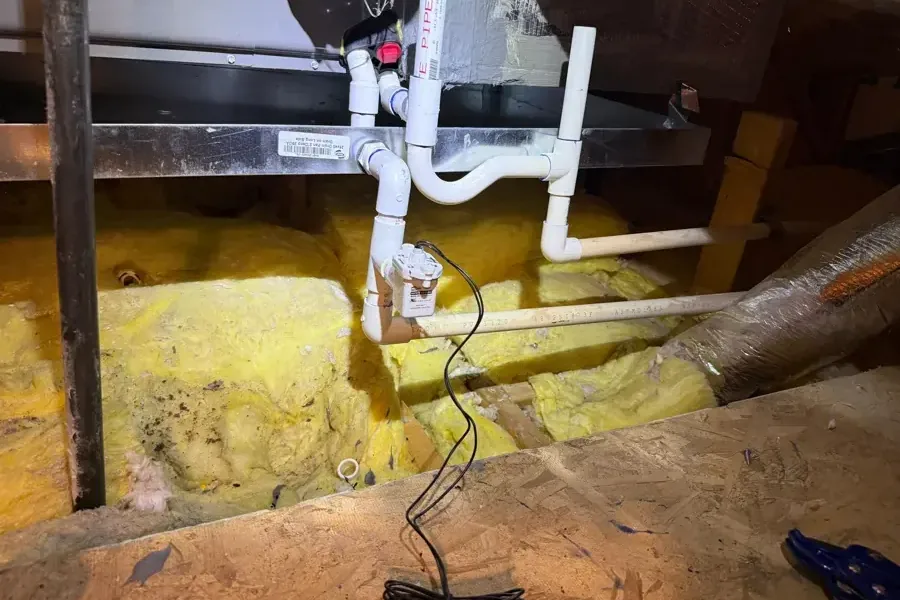 08AC Condensate Leak DamageA condensate overflow can saturate insulation above a ceiling. An AC technician handles the drainage fault while restoration addresses wet finishes and hidden building materials.AC Condensate Leak Damage
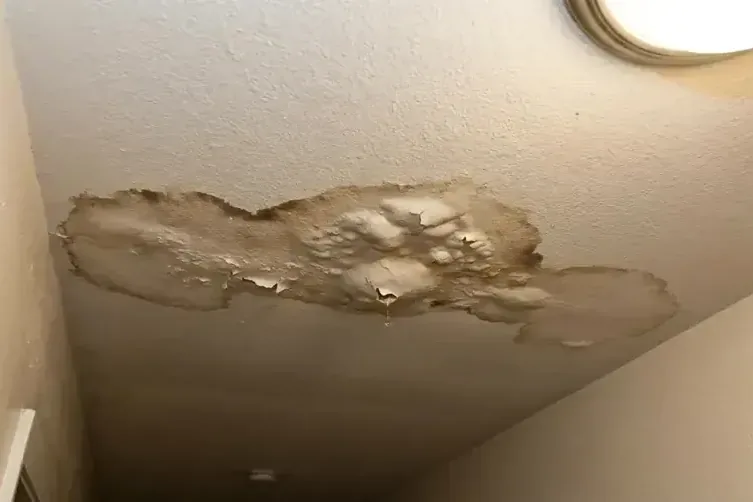 09Ceiling Leak Water DamageBubbling overhead paint needs more than a cosmetic patch. The inspection traces water above the stain and evaluates ceiling stability before opening or drying.Ceiling Leak Water Damage
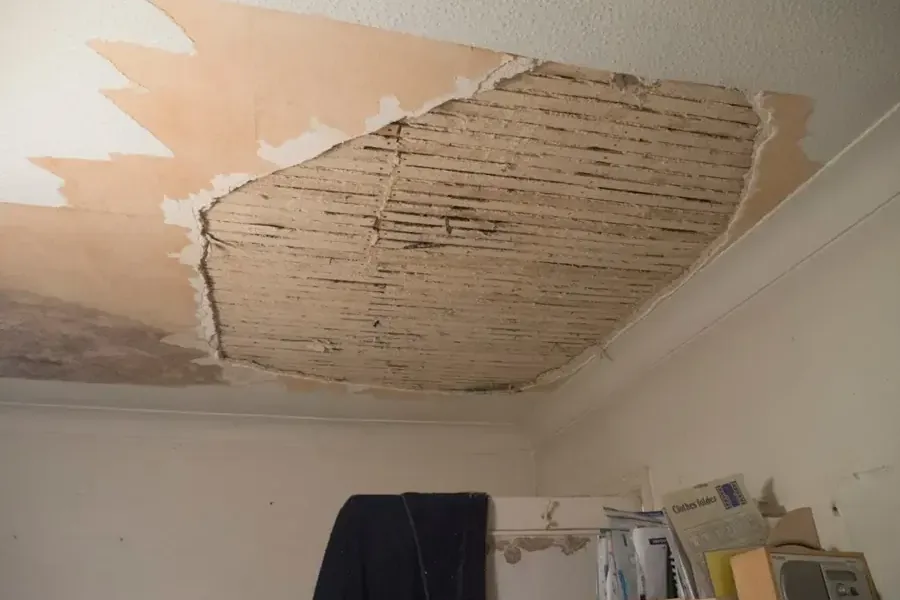 10Roof Leak Water DamageRain entering a damaged roof can travel along framing before becoming visible. Roofing work stops entry while interior cleanup follows the actual wet path.Roof Leak Water Damage
 11Structural Drying & DehumidificationMoisture readings determine how long wet materials need equipment. Air movement and dehumidification support drying until the affected assembly reaches its documented completion criteria.Structural Drying & Dehumidification
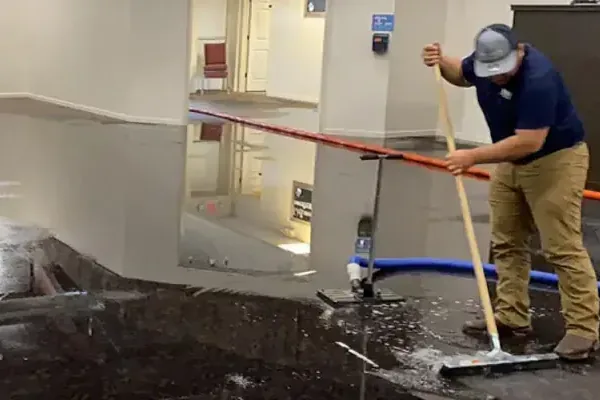 12Commercial Water DamageWet business premises need a plan for occupied areas, equipment and access. Coordinated extraction and drying help managers organize closure boundaries and restoration decisions.Commercial Water Damage
Follow the moisture through the building
A cleanup plan should describe both the visible water and the hidden wet materials. Progress depends on finding that full footprint and checking how it changes during drying.
- 1
Map the wet footprint
Technicians inspect connected rooms, floor edges and accessible cavities, noting materials and moisture readings so the scope follows the water rather than a single stain.
- 2
Separate salvage from removal
Water condition, material damage and access affect what can remain. Removal decisions should be explained before work begins, with photographs of the affected assemblies.
- 3
Set an equipment plan
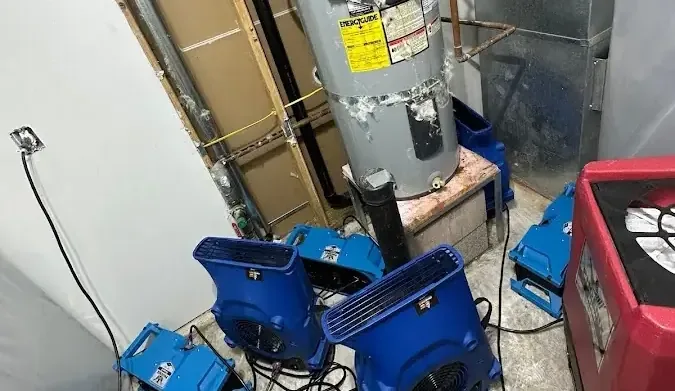
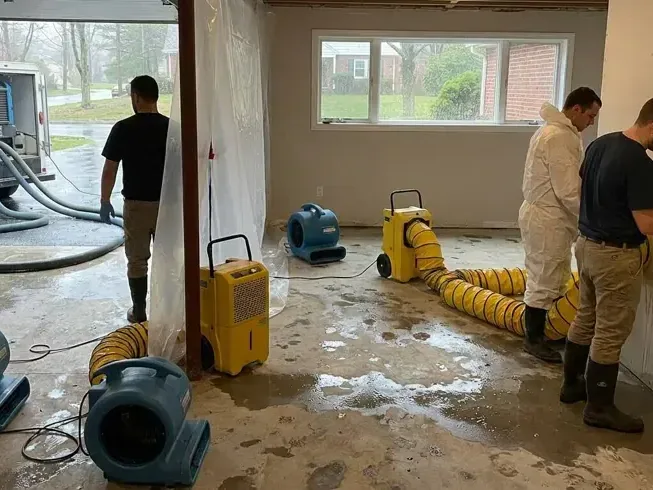
Extraction clears liquid first. Drying equipment is then positioned for the materials that remain, with safe power arrangements and a route around the work area.
- 4
Measure before closing surfaces
Repeat readings show whether the plan is working. Finish repairs follow documented drying, with any plumbing or roof repair tracked as a separate source correction.
Equipment with a defined purpose
- Extraction tools remove liquid from accessible wet floor surfaces.
- Moisture meters compare affected materials with suitable dry references.
- Dehumidifiers collect moisture released into the enclosed drying area.
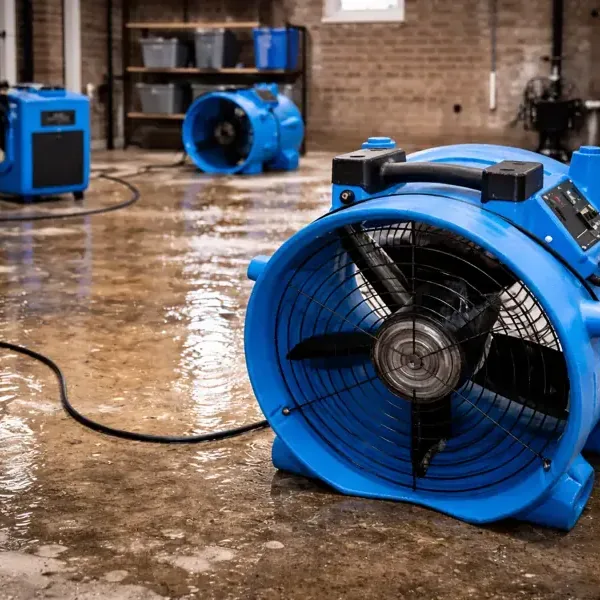
- Air movers direct controlled airflow across exposed wet materials.
- Containment limits access and separates appropriate areas during cleanup.
Readings decide the drying endpoint The drying time estimator helps organize initial expectations. Actual completion depends on the water source, affected layers, access and recorded material response, rather than the day a surface first feels dry.
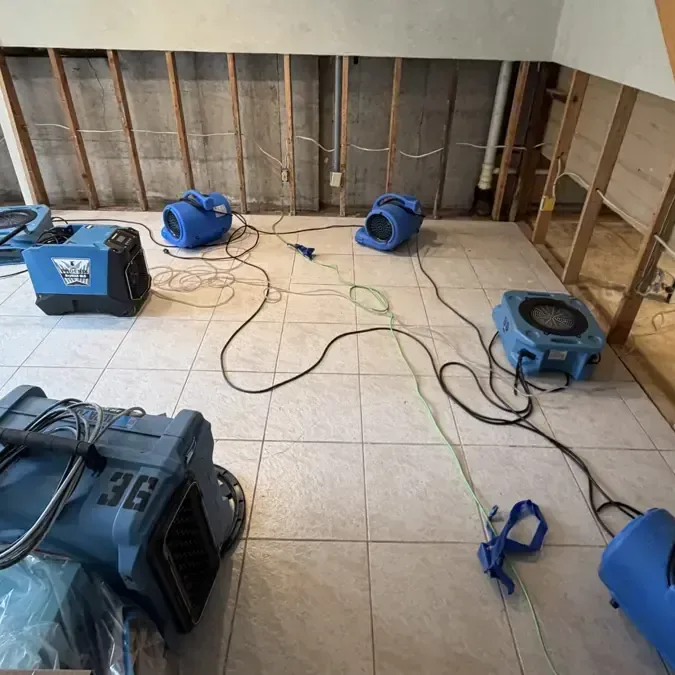
A dry looking floor can conceal moisture
- Water beneath a floor covering may remain after the exposed surface has dried. Moisture mapping helps determine whether the covering can stay or needs controlled removal.
- Pipe location belongs to the plumbing diagnosis. Opening concrete should follow that diagnosis, with the repair access and surrounding wet flooring considered together before work starts.
- The slab leak cleanup process explains drying around a repaired leak. Reinstalling finishes requires checking the substrate and the installation requirements for the replacement material.
What affects water damage costs in Tampa?
Restoration costs depend on affected materials, water condition and the access needed to remove moisture. A written scope should distinguish extraction and drying from the separate work of correcting a failed pipe, appliance or roof and replacing damaged finishes.
A smaller accessible loss may need focused water removal and limited drying equipment, with little opening of enclosed building materials.
$1,000 to $3,000More rooms, trapped moisture and removal of unsalvageable finishes increase labor, equipment placement and the number of materials requiring followup measurements.
$3,000 to $7,000Broad saturation or wastewater can require containment, substantial material removal and a larger drying operation before reconstruction can be planned.
$7,000 to $10,000+These planning ranges are not a property quote. An onsite assessment should explain the affected area, included tasks and any separately priced repairs.
The cleanup method follows the water category
Category 1: Clean source
Water from a sanitary supply starts differently from a drain backup. Contact with building materials and elapsed exposure still matter when deciding how the affected room should be treated.
Category 2: Contaminated release
Some appliance discharges contain contaminants that change the cleaning approach. Occupants should avoid contact while the source, affected materials and necessary protective measures are assessed.
Category 3: Heavily contaminated
Sewage and outdoor floodwater require controlled handling. Porous finishes may need removal, while suitable remaining surfaces undergo cleaning before the structure is ready for drying and repair.
Understand wastewater cleanupDocument the loss and decisions
Photographs, source repair records and itemized restoration notes give a claim a clearer chronology. Policy terms determine coverage, so the insurer needs the loss details to evaluate the reported damage and proposed work.
- Photograph the apparent source and visible damage from safe positions before cleanup.
- Keep receipts for emergency actions and the work that stopped incoming water.
- List affected belongings with their condition, location and available purchase information.
- Retain moisture records and the final scope alongside estimates for replacement finishes.
Separate cleanup from claim decisions
The restoration scope describes work needed at the property. The carrier evaluates that work against policy wording, deductibles and the cause of loss before deciding what is covered.
Questions about flood coverage, exclusions and reimbursement belong with the insurance representative handling the particular policy and reported event.
Water removal, access and drying in practice
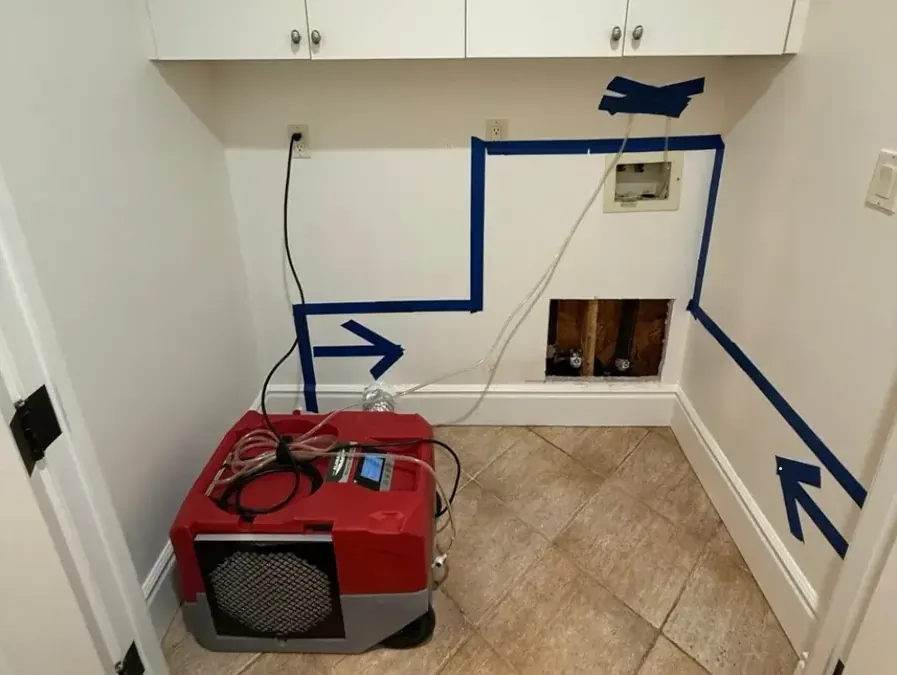
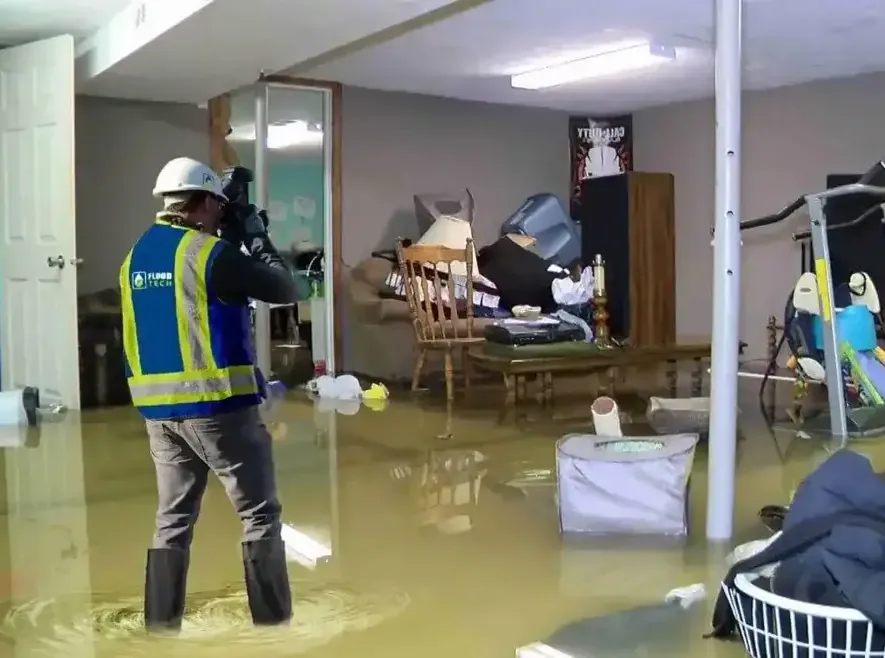
Restoration planning for different types of property
Old Seminole Heights has restored bungalows, while Downtown Tampa includes residential high rises. Those settings call for different access conversations. The actual wet materials, source location and building arrangements determine the work at each property.
- Old Seminole Heights
- Historic Hyde Park
- Ybor City
- Forest Hills
- Ballast Point
- Sulphur Springs
- Davis Islands
- Harbour Island
Plan before you call
Nearby service areas
Water damage questions, explained
Tampa Sewage Backups and Safe Room Boundaries
Tampa sewage cleanup begins with restricted access and a clear map of affected rooms. Learn how fixture reports, contents handling and cleaning fit together.
Valrico Appliance Leaks and Unexplained Water Use
Valrico appliance water problems can involve a wet floor or unexplained consumption. Use county leak tips to organize observations and plan material cleanup.
Temple Terrace Pipe Leaks and Water Meter Checks
Temple Terrace water use concerns and wet rooms need a coordinated response. Learn which observations help utility staff, plumbers and the water cleanup crew.
Plan for indoor leaks and outdoor water
The rainy season generally extends from late May to early October. Along the Hillsborough River and the surrounding bays, a useful damage assessment separates rainfall entry, outdoor flooding and an unrelated indoor plumbing release.
- Summer thunderstorms: Frequent summer storms make ceiling stain timing worth recording. The inspection still needs to locate the actual route into the building.
- Waterfront geography: The Interbay Peninsula separates Hillsborough Bay and Old Tampa Bay. Property flood information should be checked using the relevant mapping tools and event notices.
- Older finished interiors: Historic Hyde Park homes reflect architectural styles of the 1920s and 1930s. Opening wet finishes requires attention to the particular layers found onsite.
- Wastewater return: City wastewater advice includes keeping grease out of drains. A backup inside a building needs source diagnosis alongside controlled cleanup of the affected rooms.
Questions after water appears
What information helps during the first call?
The most useful details are whether water is still entering, which rooms are affected and whether power or a sagging ceiling presents a hazard. A source repair already arranged should also be mentioned.
Can a household vacuum remove standing water?
An ordinary household vacuum is unsuitable for wet cleanup. Electrical safety and water condition must be addressed before extraction equipment is used. Contaminated water requires protective measures beyond simply collecting liquid from the floor.
Does a dry surface mean cleanup is finished?
Floor edges, wall cavities and underlying layers can retain moisture after the visible surface changes appearance. Completion should follow repeat material measurements and the agreed drying criteria, with source correction documented separately.
Should carpet always be discarded after a leak?
The decision depends on contamination, backing condition, underlay and how the assembly can be dried. Inspection distinguishes a potentially salvageable finish from material that cannot be cleaned or restored effectively after the particular loss.
How should an upstairs apartment leak be handled?
Building management should coordinate access to the source area and affected units. Water may travel through shared construction, so the investigation needs to address the spaces above and below the visible damage before ceiling repairs begin.
Can paint cover an old ceiling stain?
A finish repair belongs after the source is corrected and the ceiling assembly is assessed. Loose or sagging material needs a safety evaluation, while moisture measurements establish whether concealed parts still require access and drying.
Where can property flood information be checked?
Hillsborough County provides a FEMA Effective Flood Zone Viewer and a Floodplain Viewer. Their purposes differ, and county watershed modeling omits coastal storm surge as an input. Property planning should account for that distinction.
Who handles the pipe or roof repair?
Source repair and water damage restoration are separate tasks that need coordination. The appropriate trade locates and corrects the defect while the cleanup plan addresses affected contents, wet construction materials and documentation for later finish work.
What should be saved for an insurance claim?
Keep dated photographs, the source diagnosis, emergency work receipts and the itemized restoration scope. A record of material readings and discarded items helps explain the progression from initial damage through drying and the proposed repairs.
Turn visible damage into a workable plan
A useful restoration conversation starts with what happened and where the water traveled. Share the affected rooms, source status and access concerns so the next steps can be organized around the property.
(888) 621-2041Discuss next restoration stepsSeffner Water Damage Restoration
Tampa, FL
Dispatch open every hour, every day of the year
Find us on Google