AC Condensate Leak Damage in Tampa
A ceiling stain beneath an air handler can begin with a drainage problem far above the paint. The AC defect needs correction while wet insulation, framing and ceiling materials receive a separate restoration assessment.
(888) 621-2041Discuss overflow beneath the air handler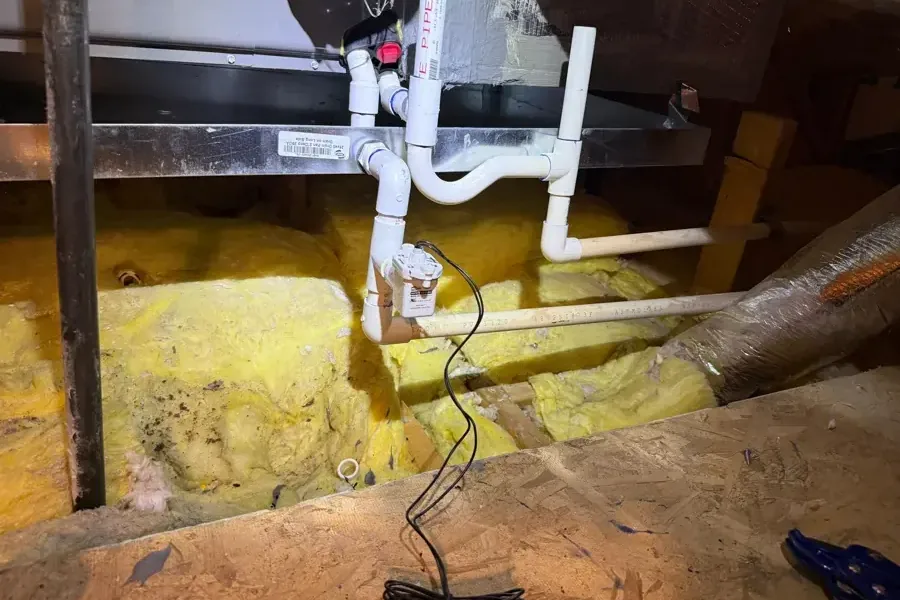
What to do the moment you find AC condensate leak damage
- Record cooling related symptoms
Note whether the stain changes during equipment operation and where water becomes visible. Those observations support the AC diagnosis without requiring access to the air handler.
- Arrange mechanical assessment
An AC professional should evaluate the drainage fault and safe equipment operation. Restoration then coordinates access to the building materials already affected by the release.
- Keep clear of weak ceilings
A soft or sagging section needs a safety assessment. Avoid placing containers beneath unstable material or entering the space above it to inspect the drip.
- Preserve access for drying
Insulation and ceiling repairs should follow the assessment of retained moisture. A coordinated sequence prevents the mechanical repair from closing off the wet areas prematurely.
How AC condensate leak damage is handled in Tampa
Wet insulation below equipment
The insulation condition is assessed alongside the framing and ceiling it covers. Removal may be needed to reach affected layers, depending on its exposure and ability to be restored effectively.
Ceiling stains and softened finishes
Visible discoloration is mapped against the overhead assembly. Softness, sagging and retained moisture determine whether the finish can remain or needs controlled opening before the rest of the area dries.
Moisture along framing paths
Condensate can travel along accessible surfaces before appearing below. Measurements and inspection follow that route so the work scope reaches wet materials beyond the initial drip point under the equipment.
Enclosed air handler surroundings
Tight equipment spaces require planned access and safe clearance. The restoration setup should reach the wet construction while preserving the access needed for the AC professional's drainage repair and inspection.
What does AC condensate leak damage cost in Tampa, FL?
AC overflow restoration costs in Tampa depend on ceiling access, wet insulation and the extent water traveled through the assembly. The estimate should separate mechanical drainage repair from building material removal, drying equipment and replacement of affected interior finishes.
A reachable overflow area may need focused drying and limited access after the drainage fault is corrected.
$1,000 to $3,000Wet insulation and softened ceilings add removal labor and monitoring locations around the overhead equipment and adjoining framing.
$3,000 to $7,000Water spread through several ceiling sections or into adjoining walls can require substantial openings and coordinated drying before extensive interior finish repairs.
$7,000 to $10,000+Every loss is priced on its own scope. Run the numbers in the water damage cost calculator for a planning range.
The AC condensate leak damage process, start to dry
- 1
Connect the stain to its source
The assessment combines visible damage with the mechanical findings. Source status and safe access determine how the building inspection can proceed around the air handler and drainage components.
- 2
Evaluate the overhead layers
Ceiling finishes, insulation and accessible framing receive separate condition checks. Findings explain the proposed openings and identify material that prevents access to retained moisture in the assembly.
- 3
Prepare a controlled drying area
Necessary removal exposes the wet construction. Equipment placement accounts for the ceiling opening, room occupancy and safe power, with the drainage correction tracked alongside restoration progress.
- 4
Verify before replacing insulation
Repeat measurements support the decision to close the cavity. The record should identify retained materials and their condition before new insulation or a finished ceiling hides them again.
A recurring stain below cooling equipment can keep growing even when the visible drip is small. AC condensate leak cleanup in Tampa examines the building materials exposed by the overflow while an AC technician diagnoses the mechanical source. The restoration plan should follow the actual drainage path rather than assume that the stain marks the full affected area.
Humid weather makes the source worth checking
Local summers are hot and humid. When water appears near cooling equipment during that season, the drain, pan and nearby building materials need appropriate inspection. The property assessment establishes which component released water and where it traveled. A stain in Forest Hills, Sulphur Springs or Ballast Point still needs that onsite diagnosis before work is assigned.
Wet insulation changes the access plan
Insulation can hold moisture above a ceiling while limiting access to the framing underneath it. Its condition, exposure and placement affect whether removal is needed. The scope should explain the decision and account for safe movement around the equipment, wiring and ceiling assembly. Wet areas outside the equipment footprint should also remain accessible for repeat measurements.
- Record where the overflow first became visible.
- Inspect accessible materials below the drain and pan.
- Check whether wet insulation conceals additional saturation.
- Evaluate ceiling softness before anyone works underneath it.
Coordinate mechanical repair and interior completion
Clearing a drainage fault can stop new water without drying the existing damage. Ceiling leak restoration addresses the overhead finish and cavity where needed. The drying process then uses readings to assess retained framing and adjoining materials. Those records help determine when insulation and finishes can return without covering a wet assembly.
Wet insulation can hide the ceiling surface and electrical components. Access to elevated equipment should be arranged by qualified professionals, with occupants kept away from soft or sagging finishes below.
AC Condensate Leak Damage across Tampa, FL
Old Seminole Heights has restored bungalows, while Downtown Tampa includes residential high rises. Those settings call for different access conversations. The actual wet materials, source location and building arrangements determine the work at each property.
Related water damage services in Tampa
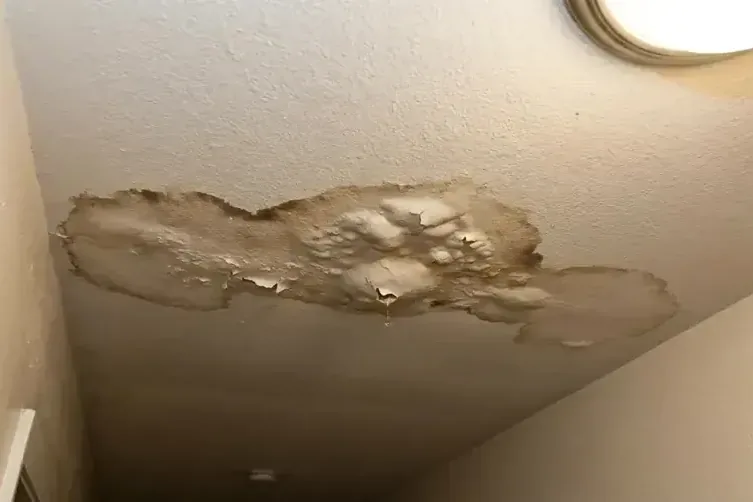 Ceiling Leak Water Damage in TampaBubbling overhead paint needs more than a cosmetic patch. The inspection traces water above the stain and evaluates ceiling stability before opening or drying.
 Structural Drying & Dehumidification in TampaMoisture readings determine how long wet materials need equipment. Air movement and dehumidification support drying until the affected assembly reaches its documented completion criteria.
 Water Extraction & Removal in TampaStanding water removal targets the liquid held in floors and furnishings before drying equipment addresses moisture remaining inside the building materials and concealed edges.
AC Condensate Leak Damage questions in Tampa, answered
Does a stain below the AC prove a blocked drain?
The AC system needs a mechanical diagnosis to locate the actual source. Restoration then maps the materials affected by that release. Drainage components and nearby plumbing or roof paths should be evaluated as appropriate to the observed conditions.
Will clearing the condensate drain dry the ceiling?
Correcting drainage stops the continuing release, but existing moisture can remain in insulation and finishes. Those layers need an assessment of their own. Drying and any removal should follow the measured condition of the construction above the room.
Can damp insulation remain in place during drying?
Its condition and placement influence whether it can remain. Insulation can obstruct access to wet framing or retain water against the ceiling. The scope should explain its treatment and how the underlying building materials will be checked.
Is it safe to climb up and inspect the pan?
Elevated equipment access can involve electrical hazards and uncertain footing above a finished ceiling. A qualified professional should arrange that inspection. Occupants can provide observations from safe positions below without entering the overhead work area themselves.
Why has a small stain appeared farther from the unit?
Water can move along framing and other surfaces before it reaches the visible finish. The inspection needs to follow that route instead of opening only the stain. Moisture readings help establish the boundaries of the actual affected assembly.
When can the ceiling be patched and painted?
Mechanical correction, ceiling stability and drying completion should all be addressed first. Retained materials need documented measurements before enclosure. The finish repair can then be planned around a dry, sound assembly rather than simply covering the visible discoloration.
AC Condensate Leak Damage in Tampa? Call now.
Standing water keeps wicking into drywall, subfloor and framing until it is pulled out. The restoration crew serving Tampa extracts it, dries the structure to the IICRC S500 standard and records every reading for the claim.
(888) 621-2041Discuss the wet structureSeffner Water Damage Restoration
Tampa, FL
Dispatch open every hour, every day of the year
Find us on Google