Sewage Backup Cleanup in Tampa
Wastewater emerging from a fixture needs controlled cleanup and a drainage diagnosis. Keeping occupants outside the affected area limits contact while the source is investigated and contaminated materials are assessed for removal or treatment.
(888) 621-2041Discuss wastewater inside the building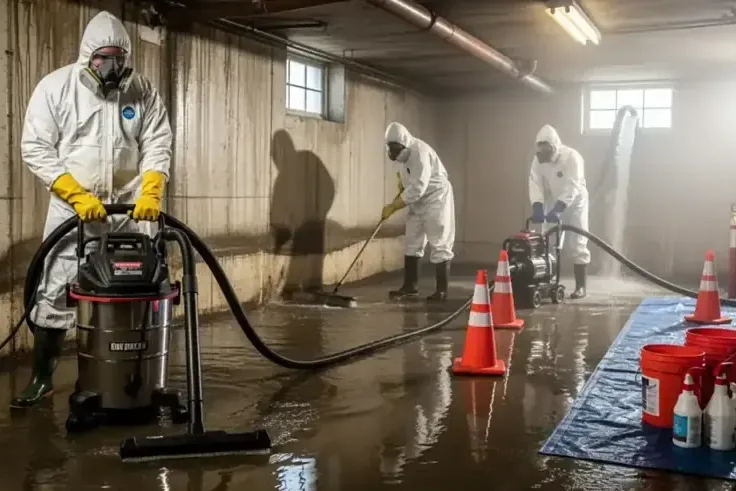
What to do the moment you find sewage backup cleanup
- Restrict contact immediately
Keep occupants and pets away from wastewater and wet belongings. Close access to affected rooms when that can be done without stepping through the contaminated area.
- Avoid adding fixture discharge
Arrange a drainage assessment and report which fixtures are involved. Continued water use can worsen a backup before the cause has been identified and corrected.
- Record the affected boundary
Safe photographs can show fixture overflow, floor spread and exposed contents. Preserve those observations without entering contaminated rooms or moving wet items through clean spaces.
- Arrange controlled material handling
The cleanup plan should address access routes, porous finishes and retained surfaces. Protective removal and cleaning need to precede routine drying or reopening of the affected rooms.
How sewage backup cleanup is handled in Tampa
Wastewater on bathroom floors
The source and exposed surfaces shape the bathroom scope. Containment establishes how wastewater and debris can be removed without carrying contamination into adjoining rooms.
Affected absorbent finishes
Carpet, underlay and porous wall materials are evaluated according to wastewater exposure. Removal decisions should be explained clearly, with the work area organized to limit contact during handling and disposal.
Contamination below fixed fixtures
Wastewater can reach concealed edges beneath cabinetry or around fixture bases. Access planning helps determine the full affected footprint and allows appropriate cleaning of suitable materials retained in those locations.
Wet construction after cleaning
Once necessary removal and cleaning are complete, retained structural materials need moisture assessment. Drying addresses that remaining water, with readings supporting the later decision to repair finishes and restore room access.
What does sewage backup cleanup cost in Tampa, FL?
Sewage cleanup costs in Tampa depend on the contaminated footprint, porous material exposure and access required for controlled removal. Pricing should explain protective measures, cleaning and subsequent drying, while distinguishing the drainage repair and replacement finishes from restoration tasks.
An accessible exposure needs localized containment, removal and cleaning, with fewer porous finishes or belongings to discard.
$1,000 to $3,000Wastewater in neighboring rooms adds protective handling, finish removal and cleaning before retained materials can enter the drying phase.
$3,000 to $7,000Broad exposure involving concealed areas and substantial porous finishes can require demanding access, controlled disposal and a larger restoration operation before reconstruction begins.
$7,000 to $10,000+Every loss is priced on its own scope. Run the numbers in the water damage cost calculator for a planning range.
The sewage backup cleanup process, start to dry
- 1
Set the contamination boundary
The assessment establishes affected rooms, source status and safe access. Protective handling and occupancy restrictions precede movement of wastewater, debris or contents.
- 2
Remove contaminated materials
Liquid collection and necessary porous material removal follow the work boundary. Disposal routes are planned to keep affected items from passing unnecessarily through occupied or otherwise clean areas.
- 3
Clean suitable retained surfaces
The remaining construction receives cleaning appropriate to its exposure. Enclosed edges and accessible cavities are checked so the treatment reaches beyond the surfaces most visible from the doorway.
- 4
Dry and document retained construction
Moisture readings shape the final drying stage after cleaning. Completion notes identify treated surfaces, removed materials and remaining repair needs before the area progresses toward normal use again.
Sewage backup cleanup in Tampa begins by limiting contact with wastewater and determining whether fixtures are still contributing to the release. The drainage problem and the contaminated room need coordinated attention. A functioning drain after repair does not remove the material left across flooring, beneath fixtures or inside affected wall bottoms.
Current source diagnosis comes first
September 27, 2024: the city reported flooding and overflows at Krauss Pumping Station and Bayshore Pumping Station following Hurricane Helene. That event forms part of the city's wastewater history. A present backup requires inspection of the affected property's drainage and coordination with the appropriate party to identify and stop the actual cause.
Keep wastewater out of unaffected spaces
The cleanup boundary should include contaminated floor surfaces and the routes used to remove debris. Shoes, belongings and improvised cleaning equipment can transfer material into dry rooms. Protective handling and decisions about porous finishes belong in the scope before general cleanup activity begins.
- Restrict entry to rooms reached by wastewater.
- Identify porous belongings and finishes exposed to the backup.
- Establish a removal route that avoids occupied clean areas.
- Keep cleanup tools within the defined affected zone.
Connect prevention with the right cleanup sequence
The City of Tampa Wastewater Department advises keeping fats, oils and grease out of drains and flushing only human waste and toilet tissue. Wastewater collected by the city is treated at Howard F. Curren Advanced Wastewater Treatment Plant. Inside an affected building, suitable surfaces need cleaning after controlled removal. Structural drying then addresses retained moisture. Where water entered from outside during flooding, the storm cleanup scope also addresses that exposure route.
Wastewater contact and contaminated debris require protective measures. Occupants should not attempt to restore access simply by mopping the visible floor or spraying a household cleaner over absorbent finishes.
Sewage Backup Cleanup across Tampa, FL
Old Seminole Heights has restored bungalows, while Downtown Tampa includes residential high rises. Those settings call for different access conversations. The actual wet materials, source location and building arrangements determine the work at each property.
Related water damage services in Tampa
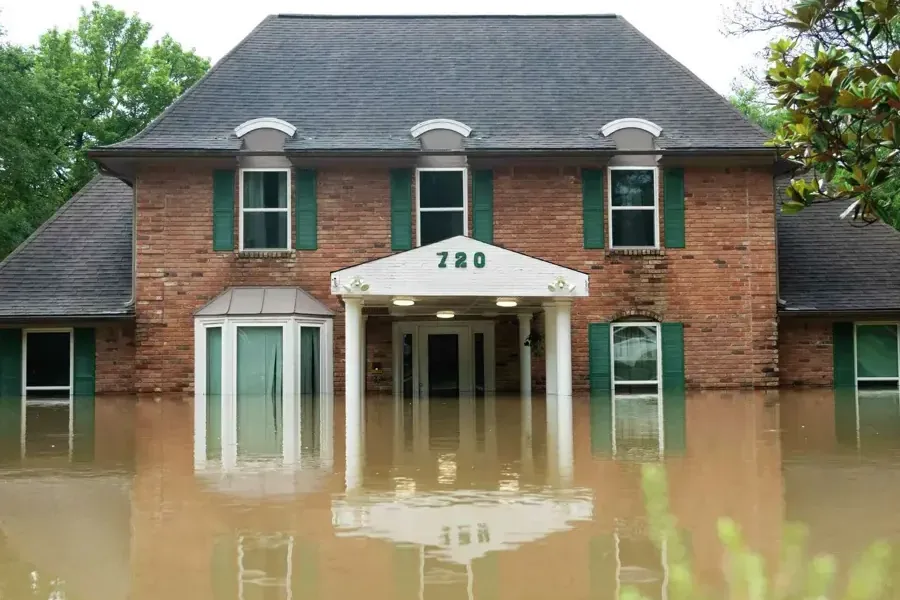 Storm Flood Cleanup in TampaOutdoor floodwater can carry soil into rooms and wall cavities. Cleanup includes assessing contamination, clearing affected materials and drying the structure after safe entry.
 Water Extraction & Removal in TampaStanding water removal targets the liquid held in floors and furnishings before drying equipment addresses moisture remaining inside the building materials and concealed edges.
 Structural Drying & Dehumidification in TampaMoisture readings determine how long wet materials need equipment. Air movement and dehumidification support drying until the affected assembly reaches its documented completion criteria.
Sewage Backup Cleanup questions in Tampa, answered
Can the bathroom be used after visible wastewater is mopped?
Visible removal does not complete the contamination assessment. Wastewater may have reached porous finishes and concealed edges around fixtures. Access should follow appropriate cleanup and the condition of the retained materials, with the drainage source addressed separately.
Who determines whether the backup involves public infrastructure?
The current drainage problem needs diagnosis and coordination with the relevant property or utility contact. Inspection findings determine the repair responsibilities and next steps. Reporting the involved fixtures and the progression of the backup helps organize that investigation.
Should fans run across sewage affected flooring?
Drying equipment should follow contamination assessment and the necessary cleaning sequence. Uncontrolled airflow during an active dirty cleanup can interfere with containment. The restoration plan should explain when equipment is appropriate and which materials are ready for drying.
Can wastewater soaked carpet be treated like a pipe leak?
Its exposure changes the removal decision. Porous materials affected by sewage require assessment for controlled disposal rather than routine drying in place. The written scope should identify those materials and explain the treatment of suitable surfaces that remain.
What drainage habits does the city recommend?
The wastewater department advises keeping fats, oils and grease out of drains and limiting flushing to human waste and toilet tissue. Those practices support proper use of the system. An active backup still needs a specific diagnosis and source correction.
What should be documented before the rooms reopen?
The record should identify the corrected source status, affected boundary, removed porous materials and cleaned retained surfaces. Drying measurements and remaining repair needs should also be included. Together these details explain the work completed inside the contaminated area.
Sewage Backup Cleanup in Tampa? Call now.
Standing water keeps wicking into drywall, subfloor and framing until it is pulled out. The restoration crew serving Tampa extracts it, dries the structure to the IICRC S500 standard and records every reading for the claim.
(888) 621-2041Discuss the wet structureSeffner Water Damage Restoration
Tampa, FL
Dispatch open every hour, every day of the year
Find us on Google