Temple Terrace Water Damage Restoration
A spreading puddle needs more than towels. Water damage restoration in Temple Terrace starts with the source, follows moisture into adjoining materials, and establishes what can be dried safely.
(888) 621-2041Discuss the water indoors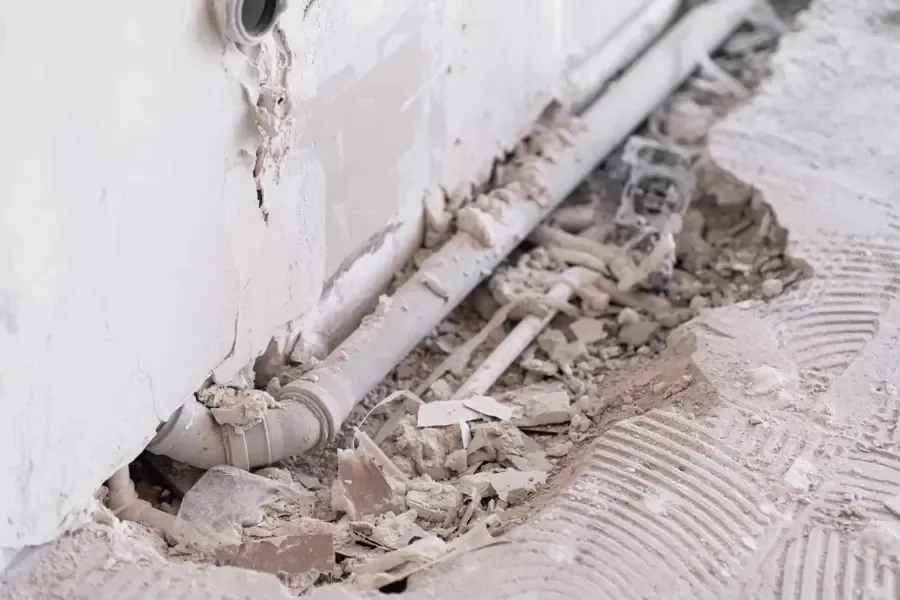 From standing water to drying
Make the wet area safer to assess
Different sources demand different precautions. An overflowing fixture, rain through a roof and wastewater across a bathroom should each receive a response suited to the actual exposure.
- Keep the route clear
People and pets should stay outside the affected room, particularly where water hides floor damage or reaches electrical equipment and cords.
- Control accessible supply
An accessible shutoff can limit a plumbing release when reaching it is safe. A plumber handles inaccessible valves and damaged supply components.
- Record the first signs
Photographs of puddles, stains and adjoining rooms help preserve the initial condition before extraction changes the appearance of the affected building materials.
- Describe the water source
Useful details include when the wetness appeared, whether rain was occurring, and whether any appliance or plumbing fixture was operating at discovery.
The source shapes the restoration work
Service selection follows the problem inside the property. The water removal assessment can lead into targeted drying, while contaminated losses require separation and a different cleaning approach.
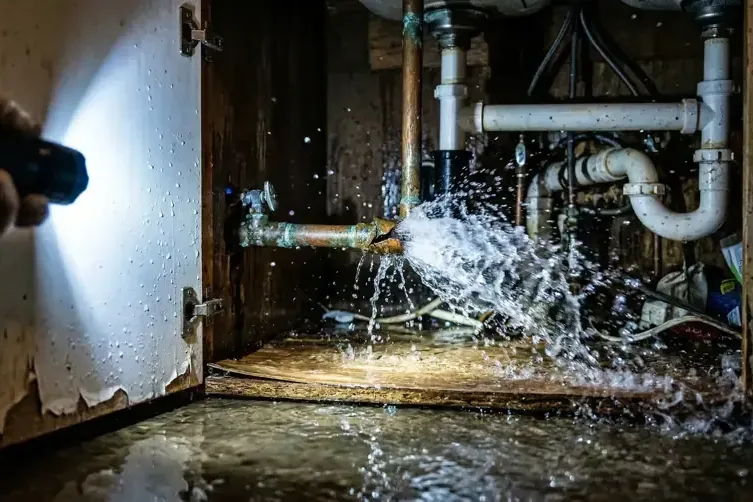 01Burst Pipe CleanupA broken pipe may wet several rooms before shutoff. Ceiling cavities, adjoining cabinets and flooring seams need attention beyond the visible spray location.Burst Pipe Cleanup
 02Water Extraction & RemovalStanding water can extend below carpet and behind floor trim. Extraction targets accessible pooling before moisture checks define the remaining wet material boundaries.Water Extraction & Removal
03Slab Leak Water DamageWater appearing through flooring calls for source investigation beneath the surface. Cleanup follows the affected floor assembly while plumbing repairs address the escaping supply.Slab Leak Water Damage
02Water Extraction & RemovalStanding water can extend below carpet and behind floor trim. Extraction targets accessible pooling before moisture checks define the remaining wet material boundaries.Water Extraction & Removal
03Slab Leak Water DamageWater appearing through flooring calls for source investigation beneath the surface. Cleanup follows the affected floor assembly while plumbing repairs address the escaping supply.Slab Leak Water Damage
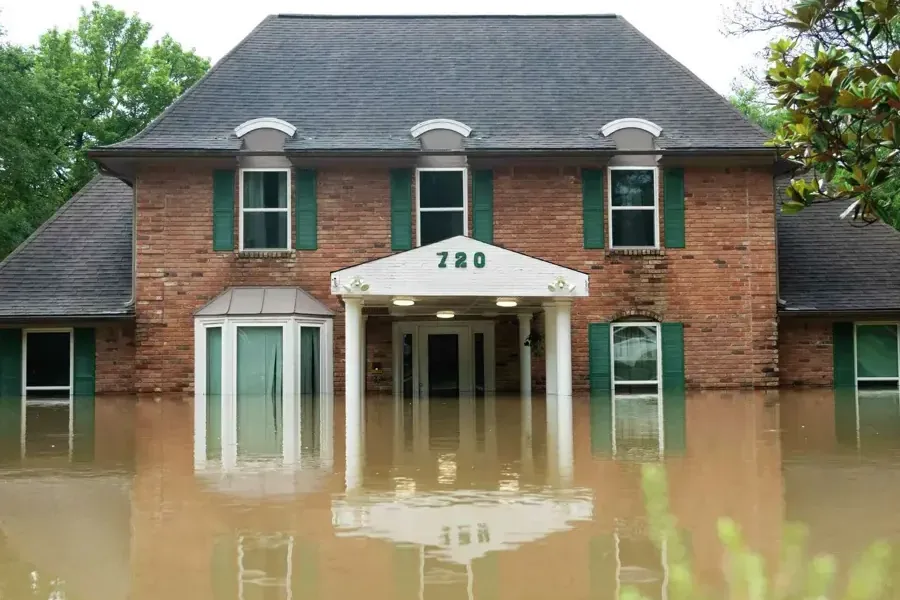 04Storm Flood CleanupRainwater entry can carry outdoor debris into occupied rooms. Flood cleanup separates exposed contents and records how far water traveled through the building.Storm Flood Cleanup
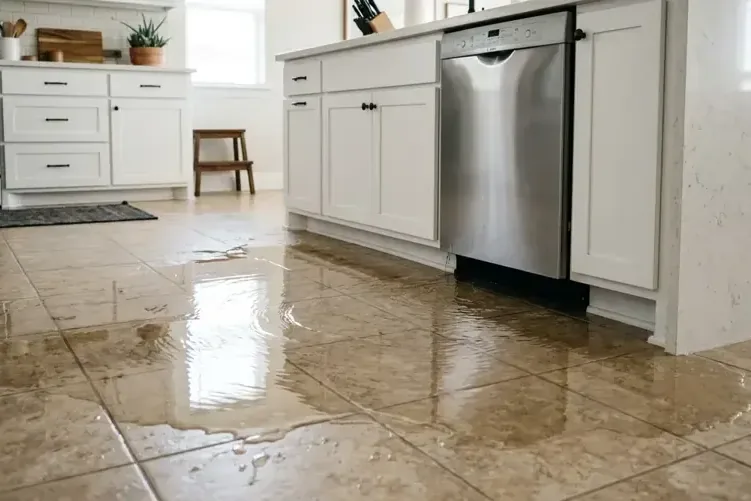 05Appliance Leak CleanupDishwasher and laundry leaks often spread underneath equipment. Safe access behind the appliance helps reveal cabinet bases or floor layers that remain wet.Appliance Leak Cleanup
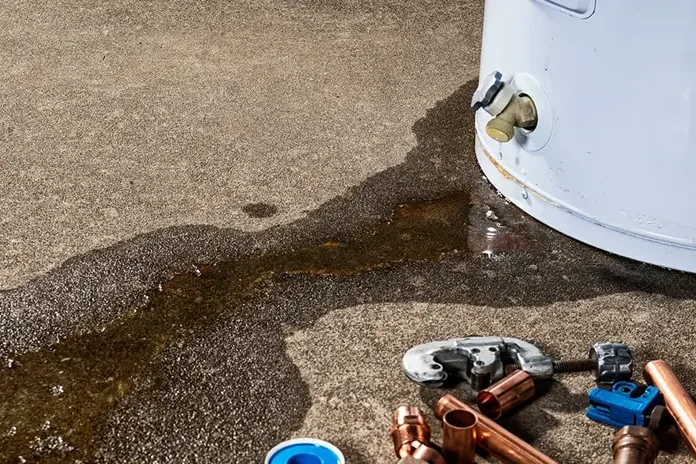 06Water Heater Leak CleanupA leaking tank can leave water around its base and inside nearby partitions. Equipment isolation and plumbing repair accompany a separate interior drying scope.Water Heater Leak Cleanup
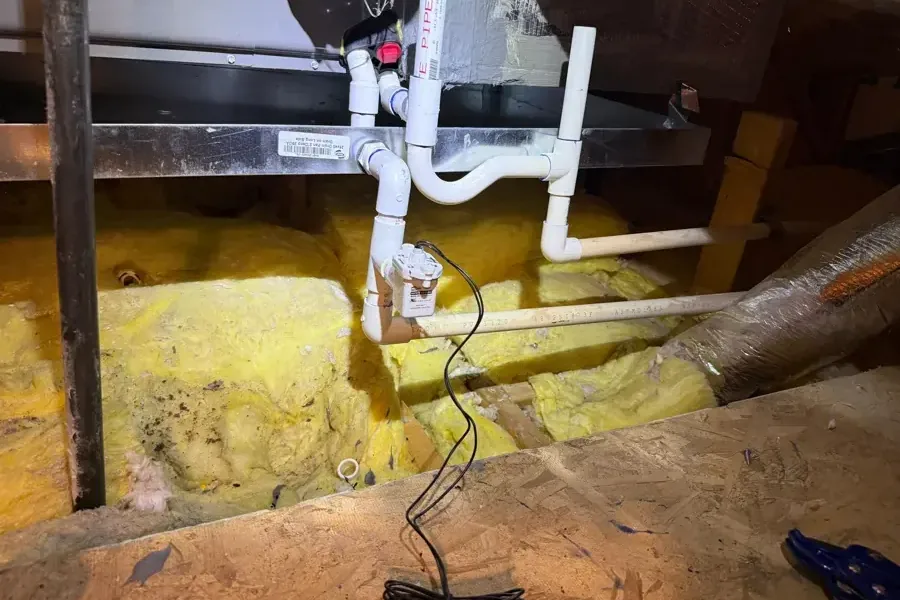 07AC Condensate Leak DamageAn overflowing cooling drain can soak insulation above a stain. AC service corrects the drainage problem while restoration addresses the materials below the equipment.AC Condensate Leak Damage
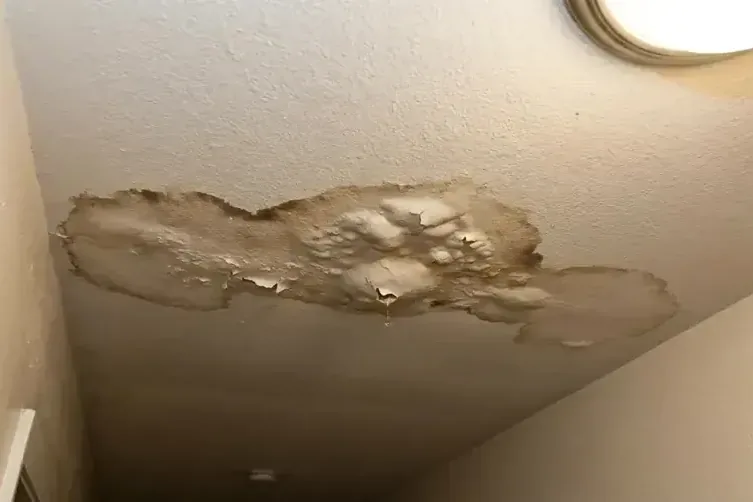 08Ceiling Leak Water DamageBulging ceiling finishes deserve a clear floor underneath them. Inspection traces moisture above the surface before deciding which ceiling sections can remain safely.Ceiling Leak Water Damage
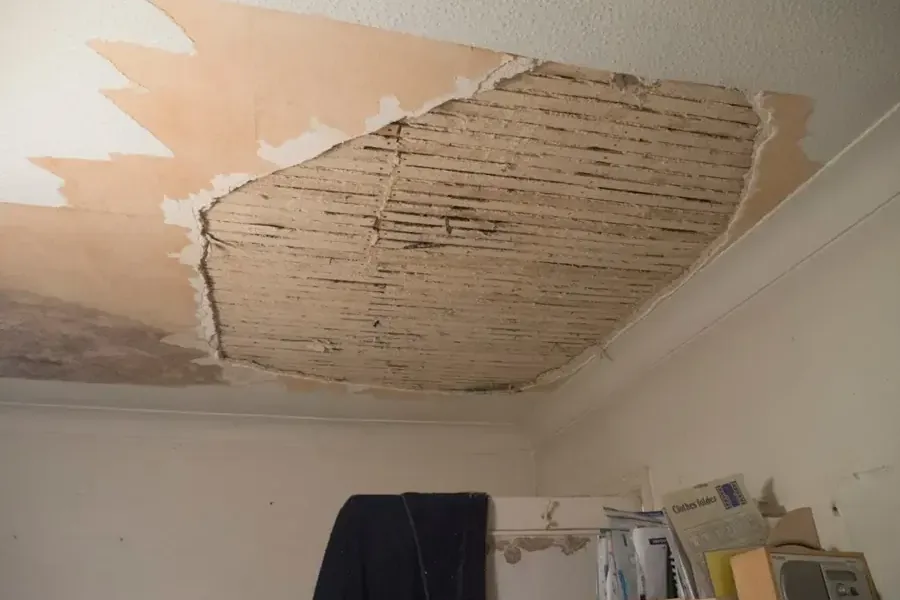 09Roof Leak Water DamageRoof entry may follow framing before appearing indoors. Weather protection, insulation assessment and drying of ceiling materials work together before replacement finishes are installed.Roof Leak Water Damage
 10Structural Drying & DehumidificationSurface appearance cannot settle a drying decision. Repeated readings help assess framing, flooring and wall cavities before repairs conceal the affected materials again.Structural Drying & Dehumidification
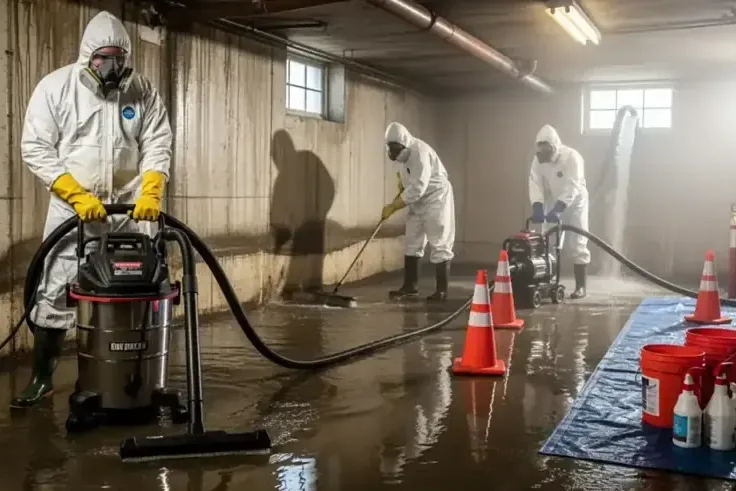 11Sewage Backup CleanupWastewater requires a restricted work area and careful handling of exposed materials. Cleaning decisions depend on contact, absorbency and the route of the backup.Sewage Backup Cleanup
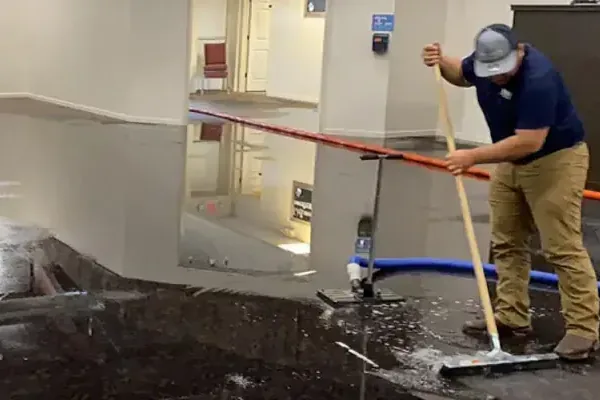 12Commercial Water DamageWet business interiors need a plan for people, contents and access. Work can be organized around affected rooms while managers coordinate repairs and operations.Commercial Water Damage
Follow the water before closing the walls
A useful restoration plan connects the first inspection to the final material check. Each change in the wet area informs equipment placement, access decisions and the next repair step.
- 1
Map the spread
Inspection follows connected surfaces from the visible wet area into nearby rooms, recording the materials affected and separating clean access routes from the work space.
- 2
Remove accessible water
Extraction equipment suits the floor surface and available access. Contents are protected or moved as appropriate so pooled water does not remain trapped underneath them.
- 3
Expose retained moisture
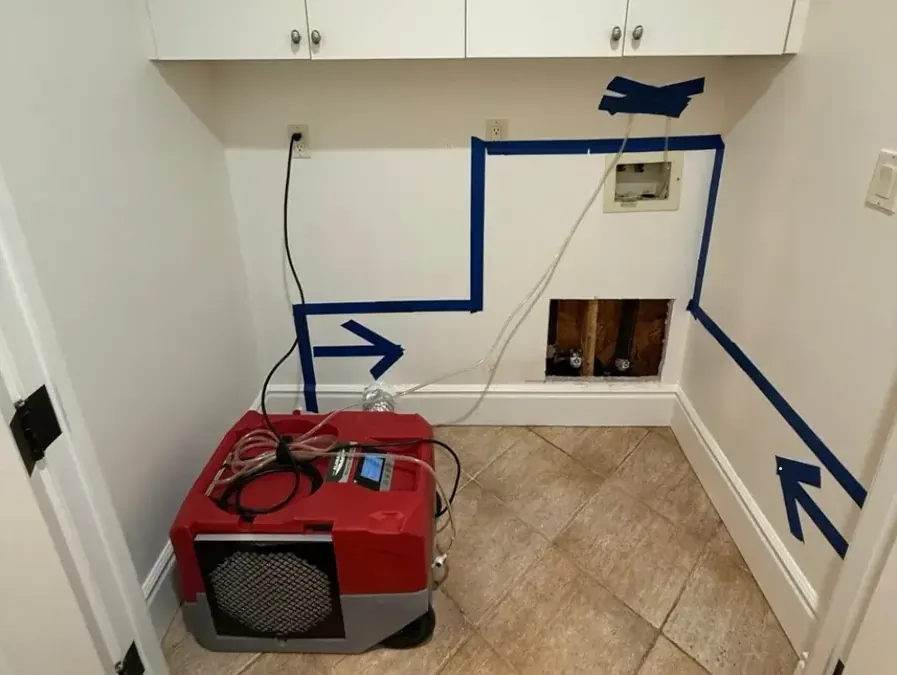
Selected openings can make concealed materials accessible. The decision depends on moisture readings, condition and contamination rather than removing every finish throughout the property.
- 4
Track material changes
Documented readings show whether the drying arrangement is working. Equipment settings and placement change when isolated pockets or slow drying layers need additional attention.
Equipment follows the wet materials
- Extraction tools lift accessible water from affected floor surfaces.
- Moisture meters compare damaged materials with suitable dry references.
- Dehumidifiers manage humidity within the established drying work area.
- Air movers direct circulation toward materials selected for drying.
- Protective barriers separate restricted cleanup work from occupied areas.
Progress determines the next step A drying schedule depends on the water source, material thickness, access and measured response. Structural drying prepares retained assemblies for replacement work, with ongoing leaks resolved before finishes cover the affected materials.
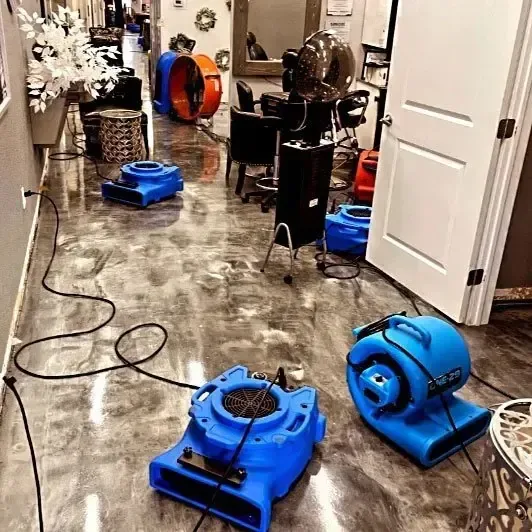
A dry surface can conceal wet layers
- A damp floor beside an interior wall can lead the inspection beneath trim or adjoining finishes, especially when moisture returns after the visible puddle has been removed.
- Temple Terrace includes Mediterranean Revival and mid century buildings. The actual floor assembly determines access and drying choices rather than the building's appearance or architectural label alone.
- Plumbing diagnosis identifies the water source, while restoration evaluates affected flooring and partitions. These tasks need coordination so opening a repair area does not leave surrounding materials wet.
What changes a Temple Terrace cleanup estimate?
The extent beneath the visible water often matters more than the puddle itself. An estimate should distinguish extraction, cleaning, material removal, drying equipment and later repairs, with access and contamination explained before the work expands into adjacent rooms.
A limited release may involve accessible water removal and focused drying where surrounding materials remain sound and the source is controlled.
$1,000 to $3,000Water traveling through adjoining rooms can require broader moisture checks, additional equipment placement and selective access behind finishes for effective drying.
$3,000 to $7,000Contaminated water or numerous affected assemblies can increase removal, cleaning and drying work before separate replacement and repair tasks can proceed.
$7,000 to $10,000+These planning ranges are not a property quote. The written assessment should explain which tasks are included and which repairs need separate pricing.
Different exposures call for different handling
Category 1: Sanitary source
A release from a sanitary supply starts with a different exposure than outdoor flooding. Contact with dirty surfaces and time inside the building still affect material handling.
Category 2: Contaminated water
Some appliance discharges and other releases contain contaminants that change cleaning decisions. The assessment considers the actual source, affected contents and surfaces touched by the water.
Category 3: Sewage exposure
Wastewater and heavily contaminated flooding demand separation from occupied areas. Porous materials with direct exposure need careful removal decisions alongside cleaning of suitable remaining building surfaces.
Understand wastewater cleanupDocument the loss as work progresses
Photos, moisture observations and itemized work descriptions help explain the damage. The insurer evaluates coverage under the policy, while the restoration scope records what happened inside the affected rooms and assemblies.
- Photograph the source area and visible damage before moving affected items.
- Keep repair invoices and records of steps that stopped further water.
- Separate extraction and drying charges from replacement material and finish costs.
- Save condition notes for belongings removed during the water cleanup work.
Make repair decisions traceable
A dated sequence of observations helps connect initial damage, material removal and drying progress. Changes to the scope should identify the newly discovered wet areas and proposed work.
Coverage decisions belong to the insurer. Written documentation supports the claim conversation without promising payment for a particular loss or repair.
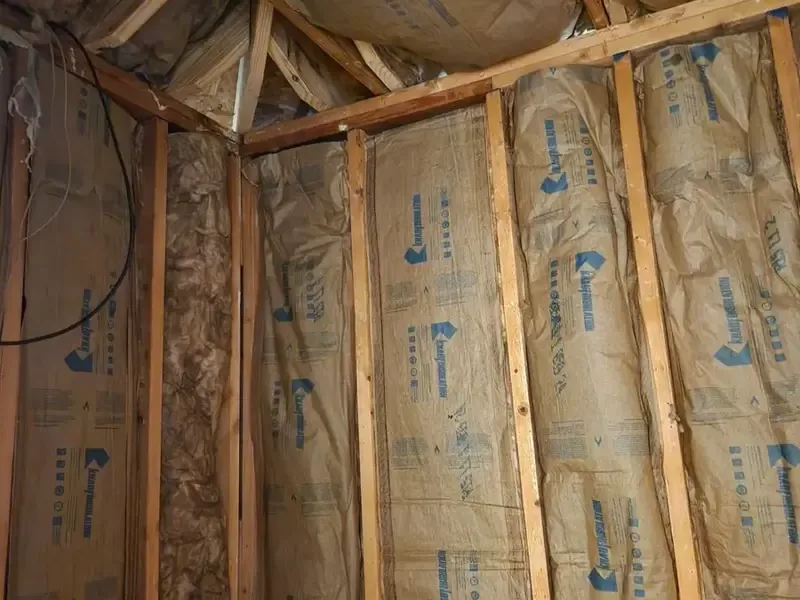
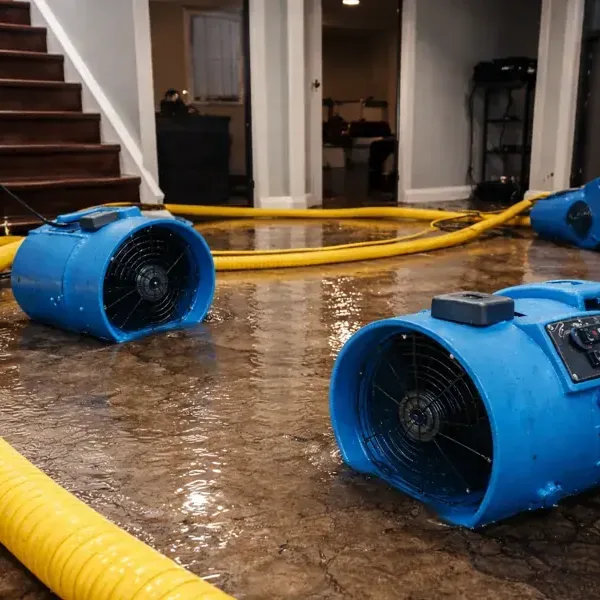
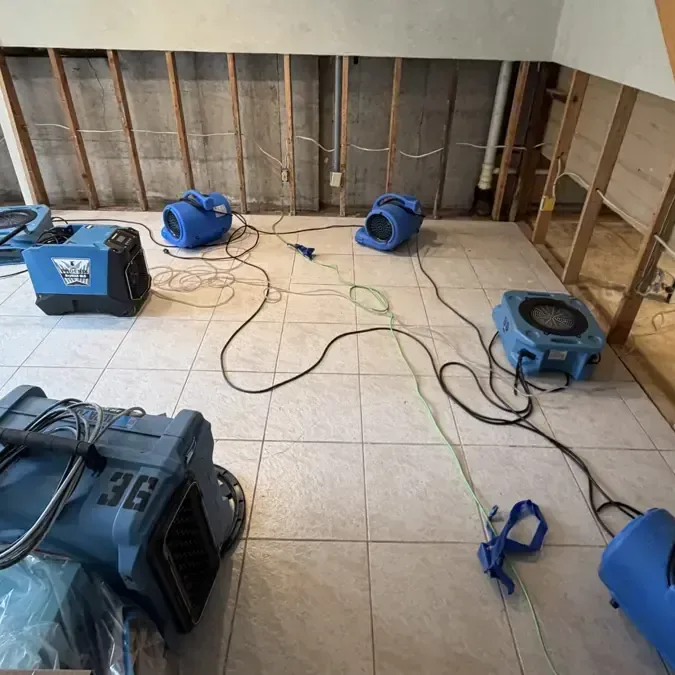
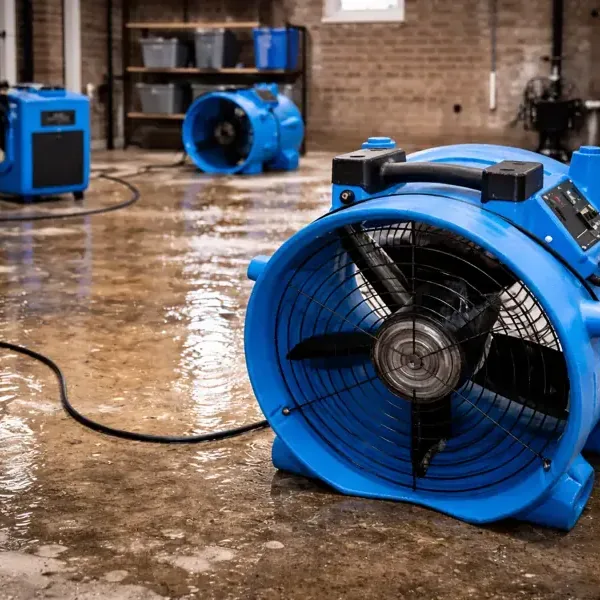
What extraction and material access can look like
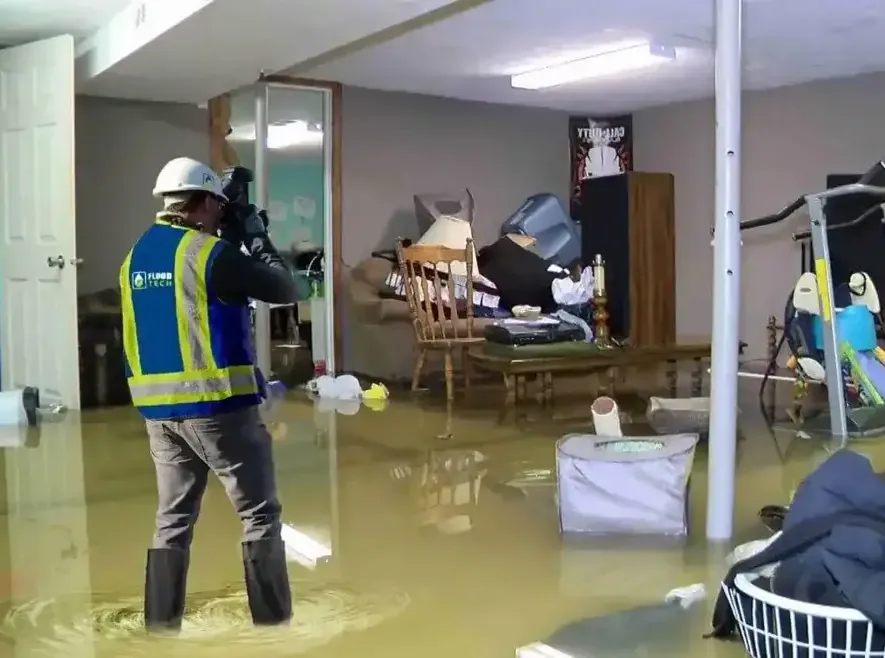
Water damage help across the city
The city's residential ZIP areas include 33617 and 33637. Riverhills Park, Woodmont Park and Florida College offer familiar reference points when describing the property's location and the rooms affected by a leak.
- 33617
- 33637
- Riverhills Park
- Woodmont Park
- Florida College
- Fowler Avenue
- Riverhills Drive
- Hillsborough River
Seffner Water Damage Restoration · Temple Terrace, FL
Find us on GooglePlan before you call
Nearby service areas
Water damage questions, explained
Temple Terrace Pipe Leaks and Water Meter Checks
Temple Terrace water use concerns and wet rooms need a coordinated response. Learn which observations help utility staff, plumbers and the water cleanup crew.
Valrico Appliance Leaks and Unexplained Water Use
Valrico appliance water problems can involve a wet floor or unexplained consumption. Use county leak tips to organize observations and plan material cleanup.
Tampa Sewage Backups and Safe Room Boundaries
Tampa sewage cleanup begins with restricted access and a clear map of affected rooms. Learn how fixture reports, contents handling and cleaning fit together.
Local conditions shape the inspection questions
The Hillsborough River crosses the eastern and southern parts of Temple Terrace. Rainfall exposure, cooling equipment and a varied building history give inspectors different starting questions, followed by checks of the actual property.
- River flood potential: The city identifies the river as a flooding source. Flood cleanup starts with safe access and the materials touched by entering water.
- Storm drain debris: Residents are asked to keep storm drains clear. Water entering from outside needs a separate assessment from a contained indoor supply leak.
- Hot humid summers: Cooling equipment and indoor humidity deserve attention during drying. Condensate problems require equipment repair as well as cleanup of affected building materials.
- Varied building fabric: Surviving Mediterranean Revival and mid century buildings call for an inspection of actual finishes, concealed spaces and material condition before selecting a drying approach.
Questions before restoration begins
Does river proximity establish a flood zone?
A property's flood designation needs a property specific check. Public Works provides Special Flood Hazard Area determinations and available Elevation Certificates. An interior damage assessment then identifies the materials actually touched by water.
What if the puddle returns after wiping?
Returning moisture can indicate an active source or water moving out of concealed materials. The inspection should follow that pathway rather than repeatedly drying only the exposed surface. Safe source control comes before finish repairs.
Can flooring stay in place during drying?
Some floor assemblies can be dried with suitable access, while damaged or contaminated layers require removal. Condition, moisture readings and the construction beneath the finish determine the approach. A dry looking top surface is only part of that decision.
Who handles a city water main leak?
The Water Division repairs city owned mains and service pipes and investigates high consumption. Damage inside the property still needs its own inspection. Describing the visible water location helps separate utility work from interior restoration tasks.
Should a sagging ceiling be touched?
A bulging or sagging section needs a clear area underneath. People should avoid standing below it or attempting to puncture it. Professional assessment can establish safe access and determine what is holding water above the finish.
What belongs in a drying estimate?
The scope should identify affected rooms, extraction needs, selective removal and equipment use. Separate repair pricing makes the estimate easier to follow. A cleanup cost worksheet can help organize questions before the property assessment.
Can wet contents stay inside the room?
Contents that obstruct extraction or trap moisture may need relocation or protection. Wastewater exposed items require separate handling. A documented inventory helps connect each decision to its condition and avoids mixing exposed belongings with unaffected possessions.
Does the canal remove flood concerns?
The Tampa Bypass Canal and downstream dam provide some flood defense. The city still identifies flood potential during heavy rain and tropical weather. Safe entry, source assessment and contamination control remain essential when outside water reaches a building.
When can replacement finishes be installed?
Replacement follows source correction and an assessment of the remaining materials. Moisture measurements help establish whether drying is complete enough for the next task. Closing a wet cavity too early can conceal a problem that still needs attention.
Turn the wet area into a clear plan
A useful first assessment identifies the source, the spread and the materials still holding moisture. From a kitchen puddle to stormwater across several rooms, those findings shape the Temple Terrace restoration scope.
(888) 621-2041Arrange a water damage assessmentSeffner Water Damage Restoration
Temple Terrace, FL
Dispatch open every hour, every day of the year
Find us on Google