Structural Drying in Tampa
A room can feel comfortable while its wall base remains wet. Structural drying gives the retained materials a measured plan, with equipment placement and adjustments tied to their response instead of surface appearance.
(888) 621-2041Discuss measured drying for wet materials
What to do the moment you find structural drying & dehumidification
- Describe what remains wet
Identify floor edges, wall bottoms or cavities still affected after liquid removal. The drying assessment needs the material footprint and the status of the original source.
- Arrange usable access
Stored items and furniture may block wet surfaces. A planned relocation creates space for equipment and repeated readings while keeping the route through the property practical.
- Discuss occupancy needs
Sleeping areas, workspaces and essential passages can affect equipment placement. Share those needs before setup so the drying plan includes safe movement and access requirements.
- Keep monitoring areas available
Measurement locations should remain reachable until completion. Avoid closing openings or replacing trim while the retained construction is still being tracked through the drying process.
How structural drying & dehumidification is handled in Tampa
Moisture retained in wall bases
Wall bottoms and accessible cavities are measured after source control. Their moisture and physical condition determine access needs, giving a clearer picture than touching the exposed surface.
Wet layered floor assemblies
Coverings can limit drying of the substrate beneath them. The plan evaluates those layers together and explains whether retention, lifting or removal provides a workable route to the required material condition.
Exposed framing after removal
Opened construction needs its own measurements and equipment arrangement. Retained framing can dry differently from nearby finishes, so monitoring locations should represent the materials that will remain behind the repaired surface.
Rooms needing drying equipment
The setup preserves safe routes around the drying area. Occupants receive an explanation of equipment placement, power arrangements and the access required for repeat material measurements.
What does structural drying and dehumidification cost in Tampa, FL?
Structural drying costs in Tampa reflect the materials being retained, equipment requirements and the monitoring needed to reach completion. An estimate should explain access work, device placement and the basis for continued operation, with replacement finishes priced separately where applicable.
An accessible wet assembly can need a compact drying arrangement and fewer monitoring locations after source control and extraction.
$1,000 to $3,000Several wet assemblies require added equipment and measurements to track the differing responses of floor coverings and wall materials.
$3,000 to $7,000Difficult access and widespread saturation can demand substantial preparation and equipment adjustments, with detailed monitoring before the building is ready for replacement finishes.
$7,000 to $10,000+Every loss is priced on its own scope. Run the numbers in the water damage cost calculator for a planning range.
The structural drying and dehumidification process, start to dry
- 1
Define material completion criteria
Affected construction and dry references establish monitoring locations. The scope sets completion conditions before equipment removal or finish replacement.
- 2
Arrange the drying environment
Air movers and dehumidification are positioned for the exposed wet materials. Access, safe electrical supply and occupancy boundaries are considered alongside the intended airflow and moisture collection.
- 3
Measure and adjust
Repeated readings reveal how each area responds. Slow progress prompts a check of equipment, access and concealed layers rather than an assumption that the same setup should continue unchanged.
- 4
Record the completed condition
The final documentation connects starting readings, adjustments and the retained materials at completion. This record supports the handoff to repair work and explains why drying equipment can be removed.
Structural drying in Tampa turns a collection of wet materials into a defined monitoring plan. After source control and liquid removal, the work identifies what will remain in the building, how equipment will reach it and what measurements will support completion. An exposed floor surface and the layer underneath may respond at different rates.
Build the plan around the assembly
Old Seminole Heights has restored bungalows, while Downtown Tampa includes residential high rises. Those settings can involve different access and occupancy arrangements. Historic Hyde Park adds interiors with architectural styles from the 1920s and 1930s. At each property, the actual finishes and accessible layers determine the drying approach rather than the neighborhood name or an assumed construction type.
Give each device a defined job
Air movers direct air across wet surfaces. Dehumidifiers remove moisture released into the drying environment. Equipment positions and the boundaries of that environment affect performance, so a clear setup should explain why devices are placed where they are. Openings into wet cavities may be necessary when finishes restrict access.
- Establish suitable dry reference readings for comparison.
- Record the affected material and measurement location.
- Check equipment operation and environmental conditions during monitoring.
- Adjust access or placement when an area responds slowly.
Use measurements to plan the next trade
Drying records help the finish contractor understand the condition of retained construction before installing new materials. The drying time estimator can organize early questions, while actual readings determine the job's progress. If liquid remains, water extraction should address it before equipment is expected to handle the residual moisture.
Moving devices or changing the drying area's ventilation can affect performance. Occupants should report heat, noise or access concerns so the arrangement can be adjusted without losing the intended drying conditions.
Structural Drying and Dehumidification across Tampa, FL
Old Seminole Heights has restored bungalows, while Downtown Tampa includes residential high rises. Those settings call for different access conversations. The actual wet materials, source location and building arrangements determine the work at each property.
Related water damage services in Tampa
 Water Extraction & Removal in TampaStanding water removal targets the liquid held in floors and furnishings before drying equipment addresses moisture remaining inside the building materials and concealed edges.
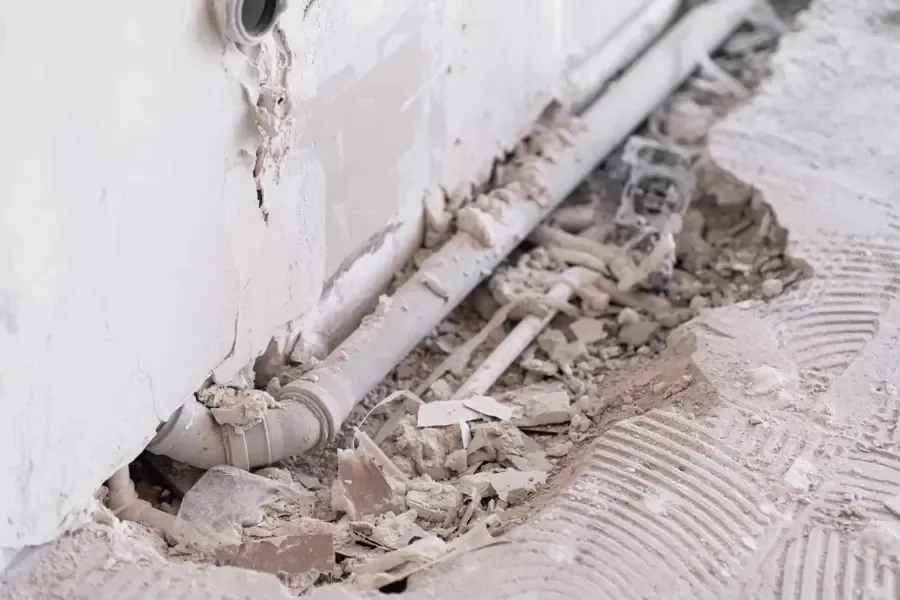 Slab Leak Water Damage in TampaDamp flooring over concrete calls for a moisture survey and plumbing diagnosis. Access for the pipe repair and drying the floor assembly need coordinated planning.
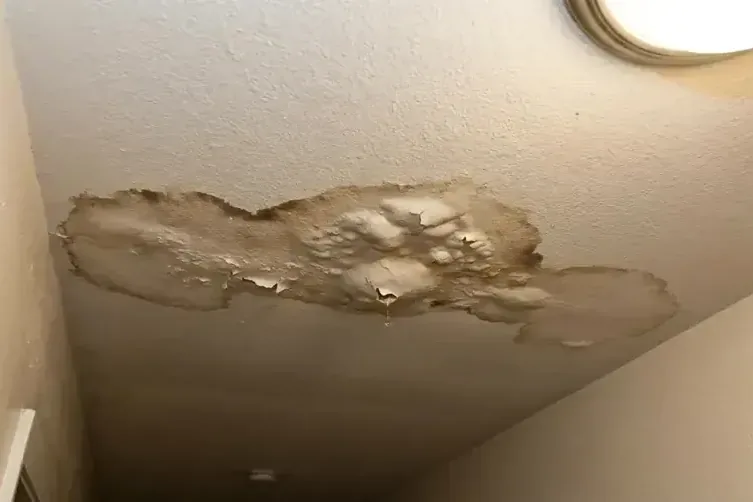 Ceiling Leak Water Damage in TampaBubbling overhead paint needs more than a cosmetic patch. The inspection traces water above the stain and evaluates ceiling stability before opening or drying.
Structural Drying and Dehumidification questions in Tampa, answered
Why can the wall feel dry while readings remain elevated?
Touch reflects the exposed surface, while moisture may remain within or behind the finish. Measurements help assess those retained layers. The drying plan should explain the relevant material readings and how they compare with suitable dry reference areas.
Are air movers and dehumidifiers interchangeable?
They perform different roles in the drying setup. Air movement supports evaporation from wet surfaces, while dehumidification removes moisture from the surrounding air. Their arrangement should be coordinated around the construction being dried and the boundaries of the work area.
Can windows stay open while equipment runs?
Ventilation changes the conditions inside the drying area. The agreed setup should specify how openings are handled. Occupants should discuss comfort or air concerns with the restoration contact so adjustments preserve a workable environment for the equipment and materials.
Why might a floor covering need to be lifted?
A covering can limit access to moisture in the layer beneath it. Inspection evaluates whether the assembly can dry effectively in place. Any proposed lifting or removal should explain the material condition and access purpose before the work is performed.
Does every wet room require the same drying time?
Materials, exposure, access and environmental conditions differ between rooms and losses. Progress should be tracked through readings rather than a fixed calendar assumption. The estimate can describe anticipated work while the monitoring record supports the actual completion decision.
What paperwork supports the end of structural drying?
A useful record identifies affected materials, measurement locations, dry references and readings over the course of the work. It should also document significant equipment or access changes. Final conditions then provide a clear handoff for the contractor replacing finishes.
Structural Drying and Dehumidification in Tampa? Call now.
Standing water keeps wicking into drywall, subfloor and framing until it is pulled out. The restoration crew serving Tampa extracts it, dries the structure to the IICRC S500 standard and records every reading for the claim.
(888) 621-2041Discuss the wet structureSeffner Water Damage Restoration
Tampa, FL
Dispatch open every hour, every day of the year
Find us on Google