Slab Leak Water Damage in Tampa
A damp floor that keeps returning needs more than another towel. Plumbing diagnosis identifies the leaking pipe while restoration measures how water has moved beneath finishes and into nearby walls or cabinets.
(888) 621-2041Discuss persistent moisture under flooring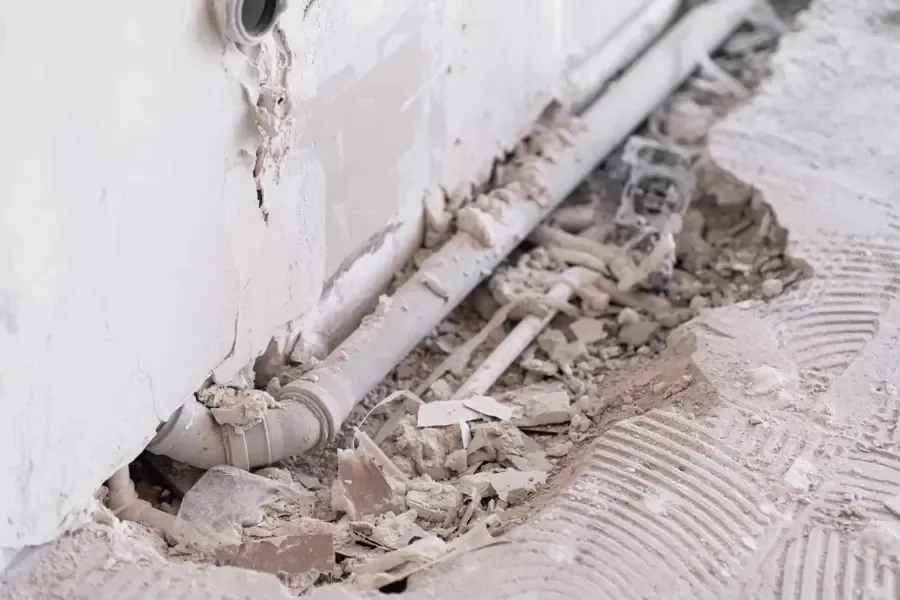
What to do the moment you find slab leak water damage
- Track the recurring damp area
Note where water reappears and whether nearby trim changes shape. Photographs over time give the plumber and restoration assessment a useful starting sequence.
- Arrange source diagnosis
A plumbing professional determines whether a concealed supply leak is present and identifies repair access. Moisture symptoms alone should not dictate a concrete opening.
- Keep finishes available for inspection
Avoid covering the area with new flooring or sealants. Existing edges and discoloration can help show how moisture has spread beneath the surface.
- Gather the room history
Recent plumbing work, recurring wet spots and changes after shutoff help organize the inspection. The actual material readings then establish the cleanup footprint.
How slab leak water damage is handled in Tampa
Wet substrate below coverings
The covering and substrate are assessed for access and retained moisture. Clearing a surface puddle can leave the underlying layer wet, requiring a separate drying decision.
Swollen lower trim
Baseboards and adjoining wall finishes are checked where water meets absorbent materials. Their condition helps define access needs and distinguish damage requiring replacement from materials suitable for continued drying.
Moisture beside cabinetry
Fixed cabinet bases can hide the edge of the wet area. Inspection considers accessible openings, material deterioration and whether removal is needed to reach trapped moisture around the repaired source.
Areas around the pipe opening
Repair access can reveal wet layers beyond the visible defect. Those exposed materials are included in the drying scope, with documentation supporting the later decision to close the opening.
What does slab leak water damage cost in Tampa, FL?
Slab leak restoration costs in Tampa reflect the wet materials and access required around the plumbing repair. The estimate should separate locating and repairing the pipe from removing damaged finishes, drying retained construction and preparing the area for reinstatement.
Localized moisture and accessible edges permit drying after pipe repair, with less finish removal and material handling.
$1,000 to $3,000Water beneath several floor sections or beside cabinetry increases investigation, removal labor and the equipment needed to dry retained building materials.
$3,000 to $7,000Extensive wet layers and substantial finish removal require a larger coordinated scope, with repair access and reconstruction priced clearly alongside restoration tasks.
$7,000 to $10,000+Every loss is priced on its own scope. Run the numbers in the water damage cost calculator for a planning range.
The slab leak water damage process, start to dry
- 1
Establish the affected assembly
The inspection identifies the floor covering, accessible substrate and neighboring absorbent materials. Readings and visible damage establish the boundaries for a proposed restoration scope.
- 2
Plan the repair opening
Plumbing findings determine source access. The restoration plan accounts for wet materials around that opening and explains any additional access needed beyond the pipe repair.
- 3
Dry retained layers
After the source is corrected, equipment addresses materials that can remain. Readings are tracked at relevant locations so adjustments respond to the actual drying progress.
- 4
Document readiness for finishes
Final measurements and material condition support closure decisions. The flooring installer can then consider the substrate requirements for the intended replacement system before work proceeds.
Water appearing through a floor joint can be the end of a concealed path rather than the point of failure. Slab leak cleanup in Tampa pairs a plumbing investigation with a survey of the affected building materials. The foundation and floor assembly must be identified at the property before choosing where to open or how to dry.
Keep pipe location separate from damage mapping
The plumber needs to locate the defect. Restoration needs to establish the wet footprint around it. These tasks overlap, but an opening that reaches a pipe may leave saturated flooring elsewhere. In Forest Hills, Ballast Point and Sulphur Springs, the useful starting information is the particular room layout, the first visible symptom and whether dampness returns after surface water is removed.
Inspect the layers that hold water
Moisture can collect beneath a covering or migrate into trim without producing a large puddle. The inspection should compare affected areas with suitable dry references and explain what can be reached without unnecessary opening. Any decision to remove flooring should account for its condition and the drying access it provides.
- Track moisture across joints and adjoining floor sections.
- Examine cabinet bases next to the affected area.
- Record wall bottoms where absorbent finishes meet the floor.
- Coordinate repair access with the source diagnosis.
Plan reinstatement around the substrate
New flooring needs more than a repaired pipe beneath it. Material drying should document the condition of retained layers and the requirements for closing the assembly. City residential work information includes trade permit applications and final trade inspections; the repair professional can identify the requirements for the proposed work. The restoration cost calculator can help organize scope questions before an onsite estimate.
Concealed services and uncertain leak locations make unplanned cutting risky. Access should follow the plumbing assessment, with affected occupants kept away from the active work area.
Slab Leak Water Damage across Tampa, FL
Old Seminole Heights has restored bungalows, while Downtown Tampa includes residential high rises. Those settings call for different access conversations. The actual wet materials, source location and building arrangements determine the work at each property.
Related water damage services in Tampa
 Water Extraction & Removal in TampaStanding water removal targets the liquid held in floors and furnishings before drying equipment addresses moisture remaining inside the building materials and concealed edges.
 Structural Drying & Dehumidification in TampaMoisture readings determine how long wet materials need equipment. Air movement and dehumidification support drying until the affected assembly reaches its documented completion criteria.
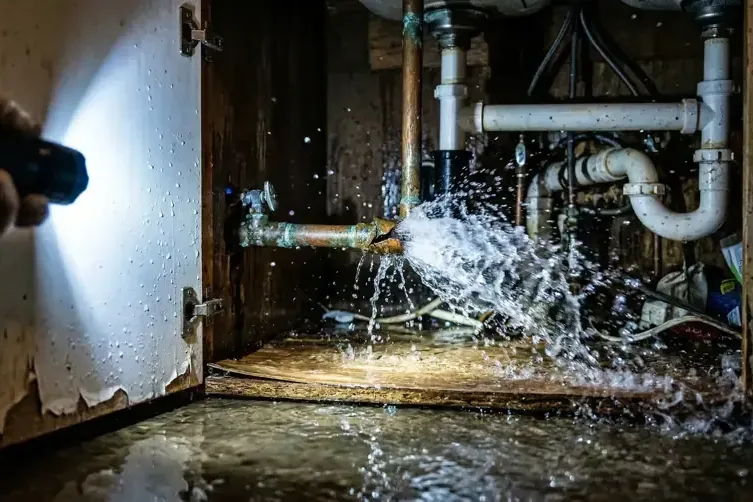 Burst Pipe Cleanup in TampaA broken supply pipe can soak adjoining rooms while water continues flowing. Shutoff, extraction and checks below cabinets help establish how far the release traveled.
Slab Leak Water Damage questions in Tampa, answered
Does a damp concrete floor identify a slab leak?
A damp area needs investigation because water can arrive by different routes. A plumbing professional determines whether a pipe is leaking beneath the floor. Restoration measurements then establish the extent of affected materials around the diagnosed source.
Will the entire floor need to be opened?
Access depends on the pipe location, moisture spread and flooring condition. The scope should explain each proposed opening and what it allows the work to reach. Broad removal should follow material findings rather than the label attached to the leak.
Can replacement flooring go down after pipe repair?
The repaired source and the substrate condition are separate completion questions. Retained materials need suitable drying, and the proposed flooring has installation requirements. Closing the area too early can trap residual moisture beneath the new finish.
Why inspect walls when the pipe is below concrete?
Water beneath flooring can reach absorbent materials at the room perimeter. Lower drywall, trim and cabinet bases may retain moisture after the visible floor improves. Checking those interfaces helps keep the restoration scope aligned with the complete wet footprint.
Are plumbing repair costs part of the drying estimate?
The written estimate should state how source repair is handled and whether it is priced separately. Leak location, pipe work, restoration and replacement finishes are distinct tasks. Clear scope boundaries make the proposed costs easier to understand.
What information should be recorded before the visit?
Useful details include the first wet location, recurring symptoms and any change when the water supply is shut off safely. Photographs of flooring and adjacent trim can preserve those conditions while professional diagnosis is being arranged.
Slab Leak Water Damage in Tampa? Call now.
Standing water keeps wicking into drywall, subfloor and framing until it is pulled out. The restoration crew serving Tampa extracts it, dries the structure to the IICRC S500 standard and records every reading for the claim.
(888) 621-2041Discuss the wet structureSeffner Water Damage Restoration
Tampa, FL
Dispatch open every hour, every day of the year
Find us on Google