Structural Drying & Dehumidification in Seffner, FL
The drying team follows moisture inside building materials after standing water is gone. Controlled airflow, dehumidification and repeat readings bring the recovery plan to the wall, floor and framing layers that remain wet.
(888) 621-2041Hidden moisture? Discuss readings
What to do the moment you find structural drying & dehumidification
- Confirm source control
Tell the contractor whether the leak is repaired and whether rain or plumbing use still changes the wet area. Drying needs a controlled source.
- Preserve equipment settings
Leave installed equipment running as directed and keep its power route clear. Report a stopped machine or breaker issue instead of improvising connections.
- Keep the work zone stable
Follow the contractor instructions for doors, windows and room access. Unplanned outdoor airflow can change humidity and interrupt the controlled environment.
- Report new wet signs
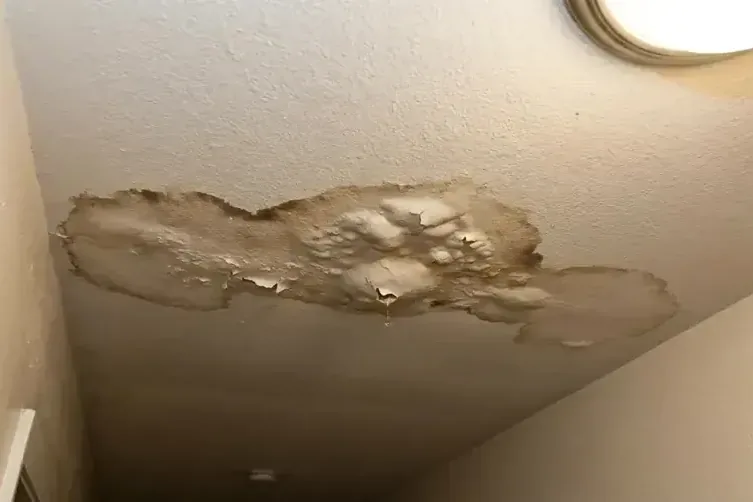
Tell the technician about fresh drips, expanding stains or damp odors near an unopened area. Those observations help target the next moisture check.
How structural drying & dehumidification is handled in Seffner
Measure before choosing machines
The assessor identifies affected materials, contamination and moisture levels. That inventory determines the evaporation load and the access needed to reach the wet assembly.
Set a material drying target
The technician compares suitable unaffected reference materials and the needs of the planned repair. Different assemblies may require different measurement methods and completion criteria.
Balance air and moisture removal
Air movers support evaporation while dehumidifiers remove water from the air. The drying team adjusts placement and capacity as the wet materials release moisture.
Check progress at repeat points
Consistent measurement locations reveal slow areas and changes in the building. A stalled point prompts investigation of access, equipment, material density or renewed leakage.
What does structural drying and dehumidification cost in Seffner, FL?
Structural drying in Seffner commonly costs $1,200 to $5,000 after bulk water removal. Material class, affected area, access and equipment duration shape the scope. Dense or layered assemblies and continued water entry can extend the work.
A small clean-water footprint with exposed materials supports a compact equipment setup and straightforward monitoring.
$1,200 to $2,200Wall cavities, cabinets and layered flooring need more access, controlled airflow and repeat measurements.
$2,200 to $5,000Specialized drying arrangements and extended monitoring may be needed where moisture remains deep inside the assembly.
$5,000 to $8,000+Every loss is priced on its own scope. Run the numbers in the water damage cost calculator for a planning range.
The structural drying and dehumidification process, start to dry
- 1
Establish the baseline
The assessor maps material readings, identifies dry references and records indoor air conditions, creating a starting point for equipment selection and meaningful progress checks.
- 2
Create drying access
The contractor opens or removes appropriate obstructing layers and places equipment around recoverable materials, accounting for safe power, room use and contamination controls.
- 3
Monitor and adjust
The technician revisits consistent measurement points and tracks humidity, repositioning machines or investigating stalled areas when the readings show the initial arrangement needs change.
- 4
Record the endpoint
The drying specialist verifies material targets and documents final readings, separating unresolved damage and repair needs from the moisture conditions achieved during mitigation.
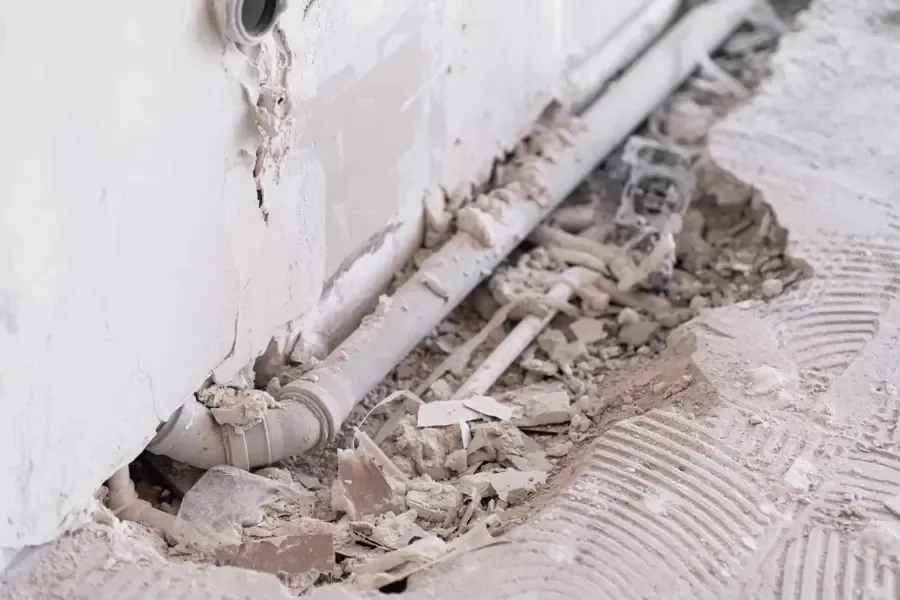
Structural drying begins where a simple wipe-down ends. A floor near Lake Weeks, a wall off Lenna Avenue or a room around Evans Recreation Center can look dry while concealed materials retain moisture. The drying crew measures those materials and manages the surrounding air so recovery reaches the building assembly. Dispatch is available 24/7 when an active loss needs assessment.
Measurements make drying progress visible
The assessor records affected surfaces and a suitable dry comparison area before equipment starts. Repeat measurements then show whether a wall base, floor layer or framing member is releasing water. The same points matter more than a succession of unrelated readings taken wherever the surface looks darkest.
- Material readings identify where the wet footprint begins and ends.
- Air measurements show the conditions supporting evaporation inside the work zone.
- Daily logs connect equipment changes with changes in the building.
- Final records explain the drying condition before replacement finishes cover the assembly.
Air movers and dehumidifiers work together
Air movement alone moves moisture from one place to another. A controlled dry-out also removes water from the surrounding air and gives that air access to the wet material. The technician balances equipment with the affected area and checks whether closed cavities or layered floors block progress.
Do not switch off drying machines because the room feels warm or the floor looks dry. Tell the contractor about noise, access or electrical concerns so the arrangement can be reviewed safely. Avoid moving equipment into a different room without direction. Placement, power and operating conditions form part of the monitored drying plan.
A drying target belongs to the material
Drywall, wood, concrete and composite flooring respond differently to water. The drying specialist uses an appropriate measurement method and considers the next repair system before declaring completion. A dense substrate may require a different test from a wall stud, and the record should make those distinctions clear.
The EPA flooded-home information explains recovery concerns after wet building exposure. The Department of Energy home information gives context for indoor moisture and conditioning. The drying-time estimator provides a planning illustration while actual readings determine the equipment endpoint.
Structural Drying and Dehumidification across Seffner, FL
Restoration coverage includes ZIP codes 33583 and 33584, Lake Weeks, Lenna Avenue and the Dr. Martin Luther King Jr. Boulevard corridor, with service in Brandon, Temple Terrace, Valrico, Plant City and Tampa.
Related water damage services in Seffner

Structural Drying and Dehumidification questions, answered
Why is the room warm during drying?
Equipment and evaporation management can change indoor conditions. Tell the contractor if heat affects occupants or sensitive contents. The drying team can review the arrangement while maintaining the material and humidity targets needed for recovery.
Can open windows speed the process?
Outdoor air can help or hinder depending on its moisture content and the planned system. Follow the drying contractor instructions rather than changing the enclosure at random. The technician uses air measurements to decide how the work zone should operate.
What if a moisture reading stops improving?
The technician checks equipment operation, access to the wet layer and possible renewed leakage. Dense material can respond slowly, but a stalled trend deserves investigation. Adjustments should follow the findings and appear in the drying record.
Does every wet wall require a hole?
Access depends on contamination, assembly design and the ability to remove retained moisture. The contractor may preserve suitable clean-water material when it can dry effectively. Other layers need selective opening to reach the actual wet surface.
How does the owner know the building is dry enough?
Ask for the material targets, comparison locations and final readings. The record should explain which assemblies were measured and what repair conditions remain. Completion rests on appropriate material measurements rather than a general statement that the room feels dry.
Is the estimator a completion promise?
No. It illustrates how material, access and delay can affect a planning window. The actual drying team measures the building and changes the plan as needed. A hidden wet layer or continuing leak can extend work beyond an early estimate.
Structural Drying and Dehumidification in Seffner? Call now.
The mitigation crew traces escaped water into wall bases and flooring, removes standing water and checks concealed materials. Daily measurements keep the drying plan tied to the building's actual condition.
(888) 621-2041Discuss the wet areaSeffner Water Damage Restoration
Seffner, FL · ZIP 33584 and 33583
Dispatch open every hour, every day of the year
Find us on Google