Water Damage Restoration in Plant City
A wet room needs more than a cleared puddle. Plant City restoration starts with the water source, follows moisture into adjoining materials, and leaves a documented path toward repairs and normal use.
(888) 621-2041Discuss the soaked areas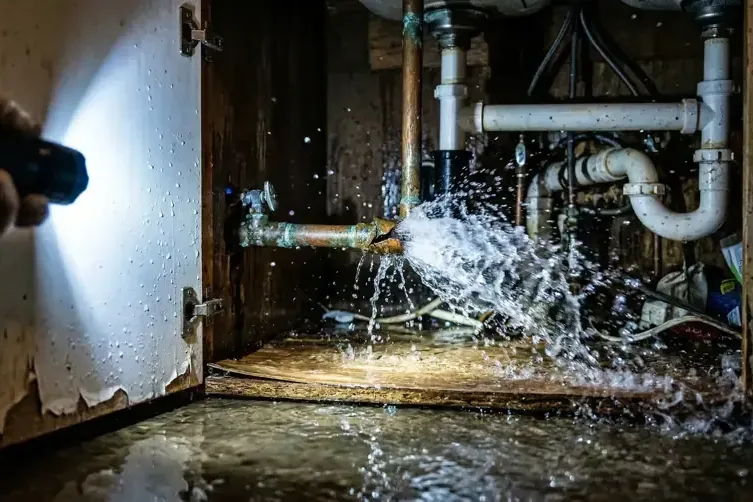 From standing water to drying
Make the affected room safe to assess
A calm first response protects people and preserves useful information. The property owner should identify obvious hazards from a dry location before moving belongings or operating equipment inside wet rooms.
- Stay beyond electrical hazards
Water touching outlets, appliances or electrical panels requires restricted access. A qualified professional should determine when entry and electrical operation are safe.
- Control an accessible source
An accessible plumbing valve may limit further discharge. A wet or unsafe route to that valve calls for professional assistance instead.
- Record the original damage
Photographs of water marks, affected furnishings and visible equipment leaks help establish the initial condition before extraction changes the appearance of rooms.
- Keep clean areas separated
Household members and pets should remain outside sewage or outdoor floodwater. Moving contaminated possessions through dry rooms can spread the cleanup burden.
Choose the cleanup that fits the damage
Different leaks leave different problems behind. The service descriptions below separate removal, access and drying needs so the conversation can start with the affected materials and the actual source.
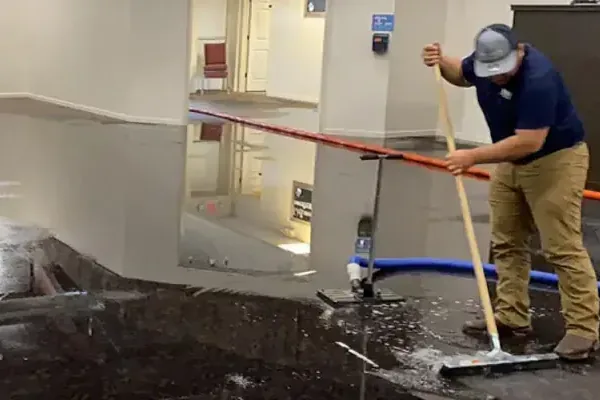 01Commercial Water DamageBusiness cleanup considers stock, customer routes and work areas together. A phased drying scope helps managers distinguish restricted spaces from usable portions of a property.Commercial Water Damage
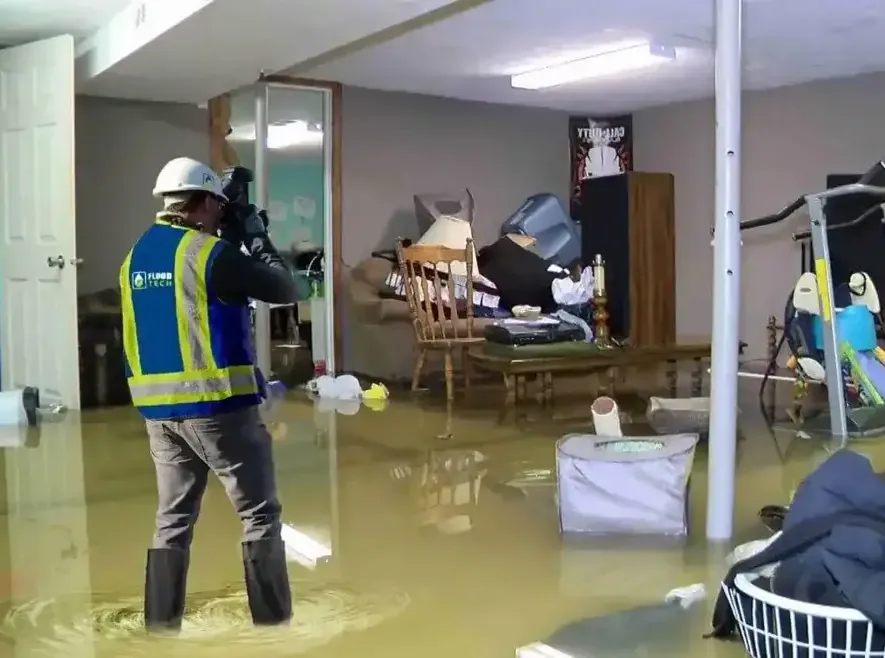
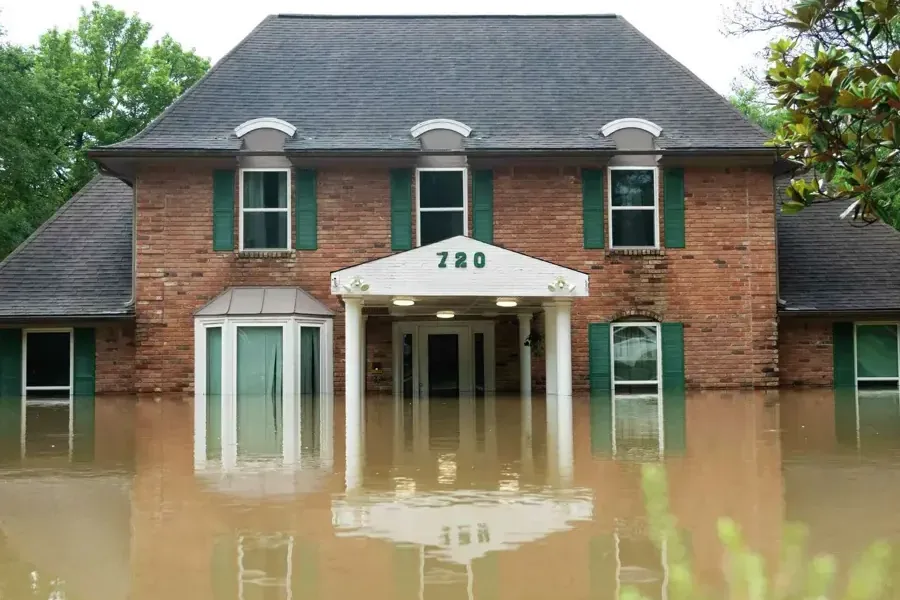 02Storm Flood CleanupOutdoor runoff brings sediment into living spaces. Storm cleanup separates affected belongings, removes dirty water and prepares accessible surfaces for controlled drying.Storm Flood Cleanup
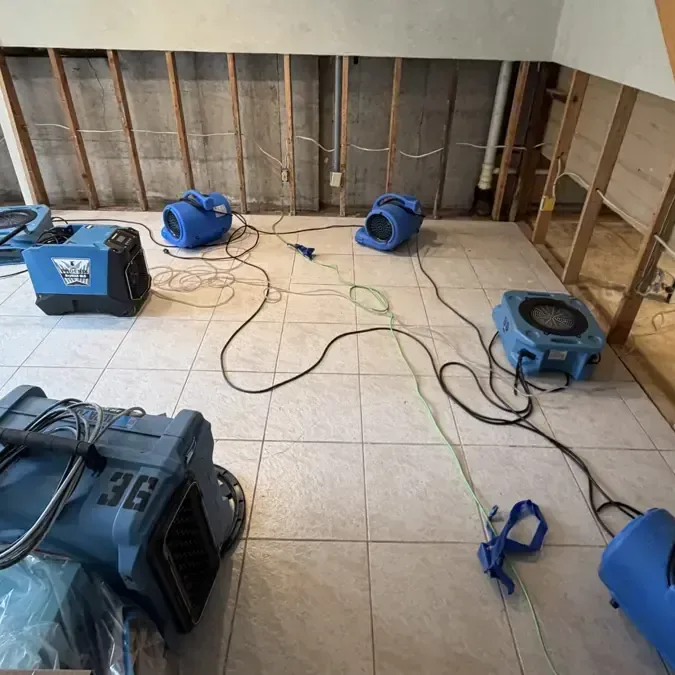
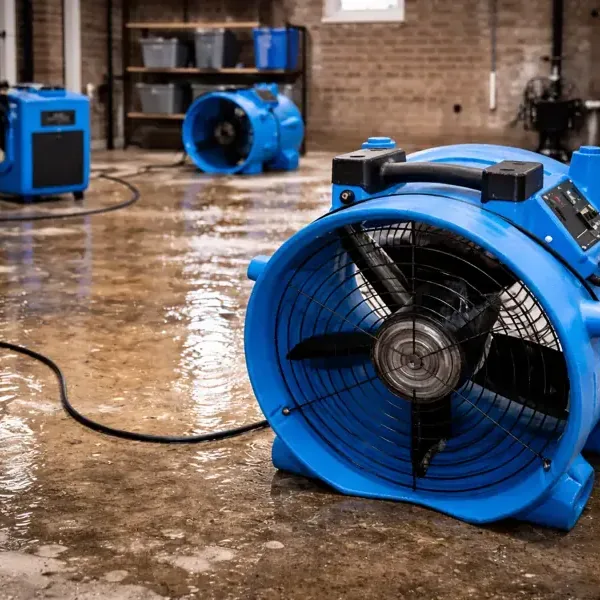
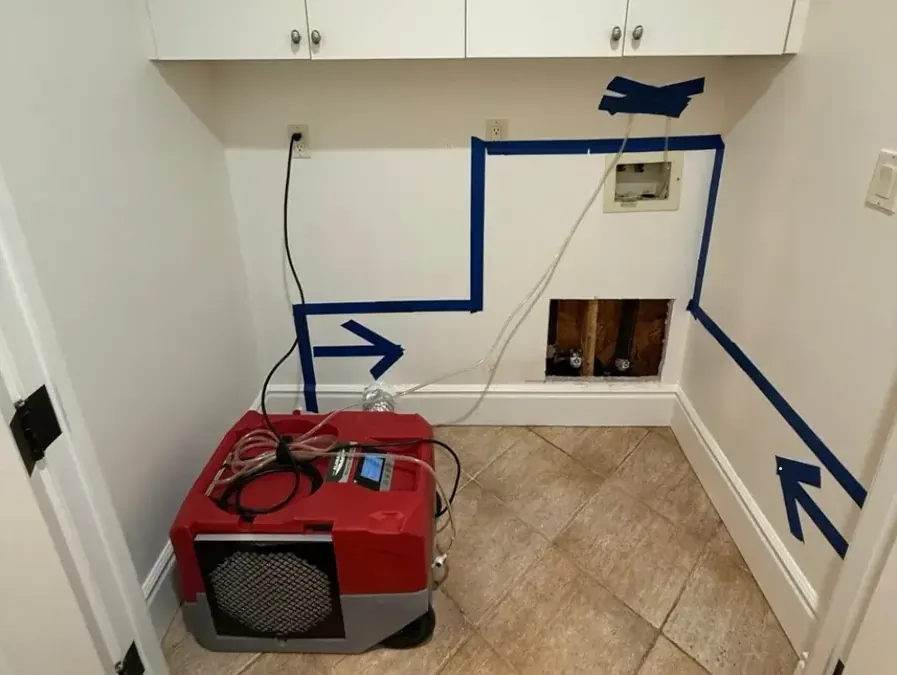
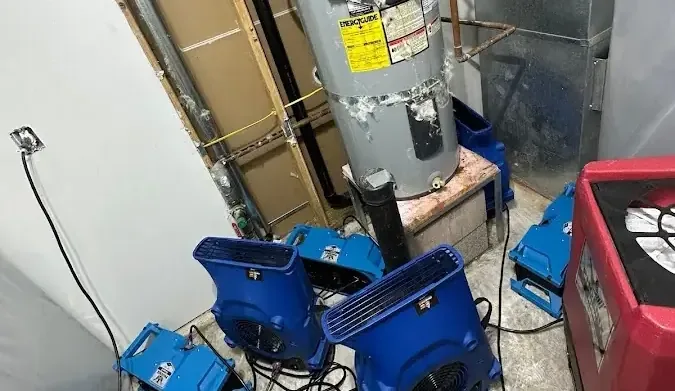
 03Structural Drying & DehumidificationMaterials may remain wet after extraction. Targeted airflow, dehumidification and repeat measurements help determine when wall cavities and floor assemblies can be closed.Structural Drying & Dehumidification
 04Water Extraction & RemovalStanding water can hide beneath furniture and floor coverings. Extraction clears accessible water before moisture readings determine which adjoining surfaces still need attention.Water Extraction & Removal
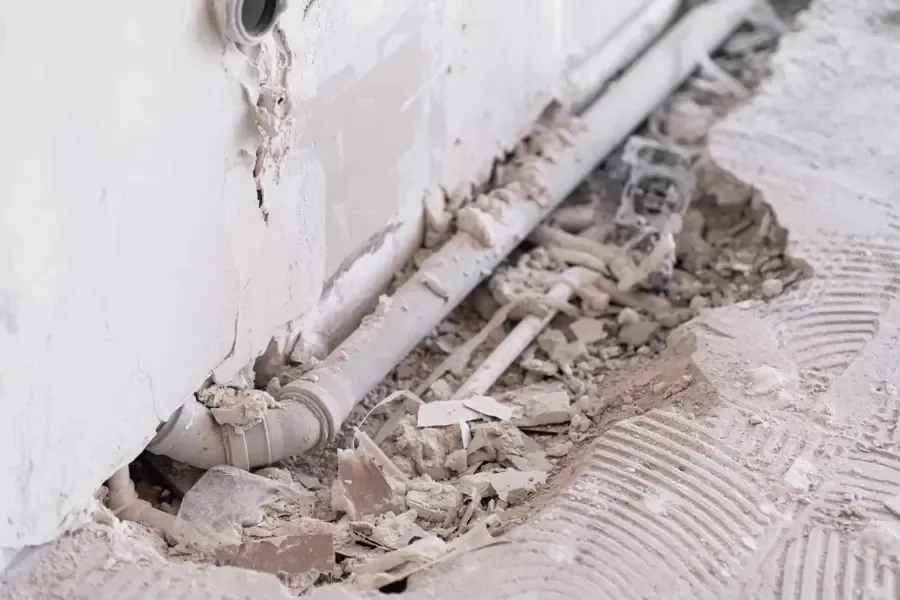 05Slab Leak Water DamageA damp floor above concrete may involve concealed plumbing. Cleanup coordinates the pipe investigation with moisture checks around flooring edges and wall bases.Slab Leak Water Damage
06Burst Pipe CleanupA pressurized break can wet several rooms before the supply stops. The inspection follows spray, floor spread and water passing through nearby openings.Burst Pipe Cleanup
05Slab Leak Water DamageA damp floor above concrete may involve concealed plumbing. Cleanup coordinates the pipe investigation with moisture checks around flooring edges and wall bases.Slab Leak Water Damage
06Burst Pipe CleanupA pressurized break can wet several rooms before the supply stops. The inspection follows spray, floor spread and water passing through nearby openings.Burst Pipe Cleanup
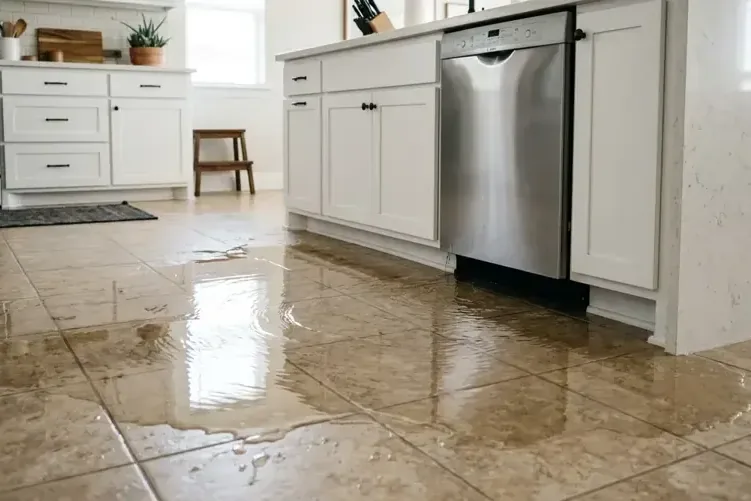 07Appliance Leak CleanupWater beneath a dishwasher or washer can remain after the visible spill disappears. Cabinet cavities and adjacent flooring deserve separate moisture measurements.Appliance Leak Cleanup
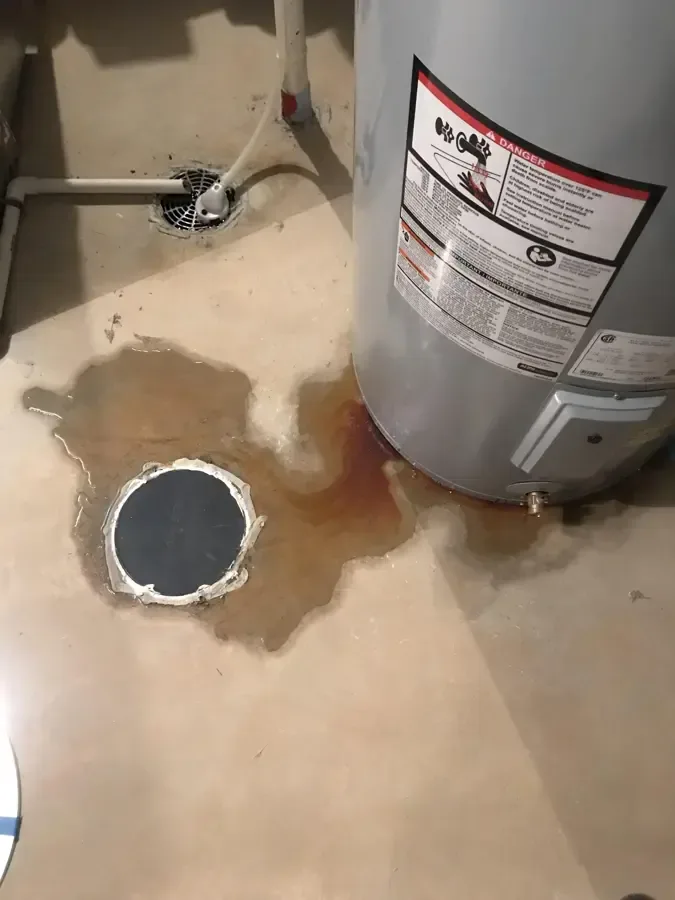
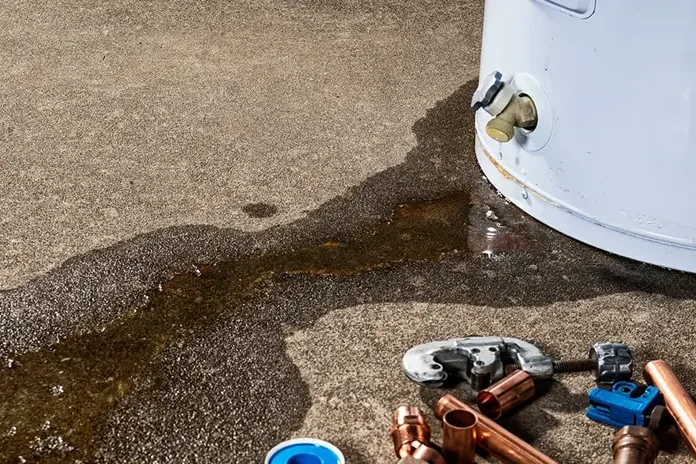 08Water Heater Leak CleanupA leaking tank can soak its platform and neighboring partitions. Cleanup addresses trapped water while an appropriate trade handles the failed heater itself.Water Heater Leak Cleanup
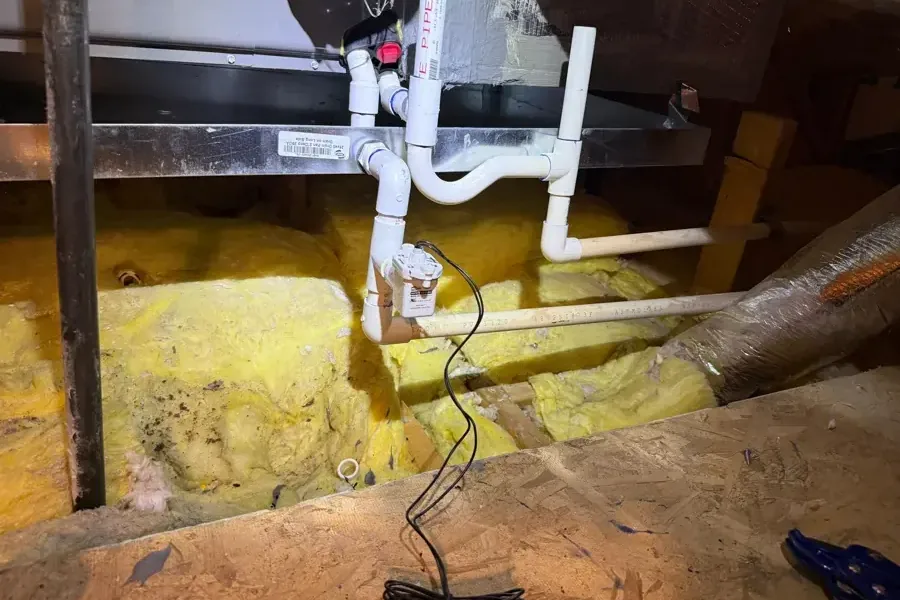 09AC Condensate Leak DamageOverflow near an air handler may wet insulation before a ceiling changes color. Drain repair and building drying need distinct completion checks.AC Condensate Leak Damage
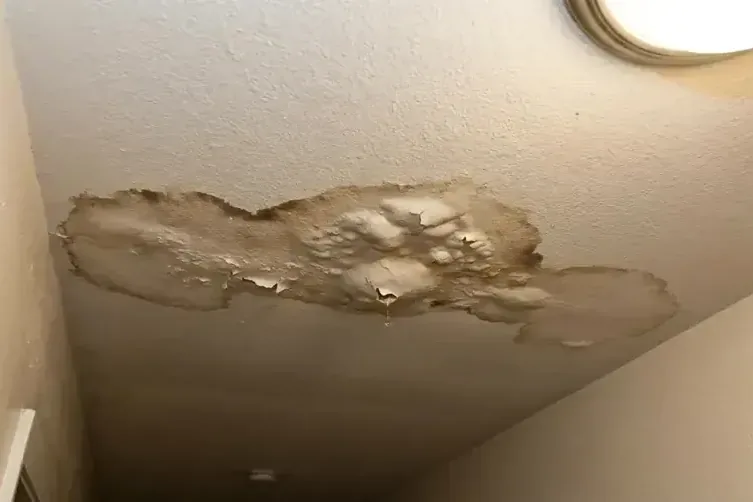 10Ceiling Leak Water DamageBubbling paint overhead can conceal a heavier wet layer. Ceiling cleanup considers safe access, the source above and belongings beneath the damaged area.Ceiling Leak Water Damage
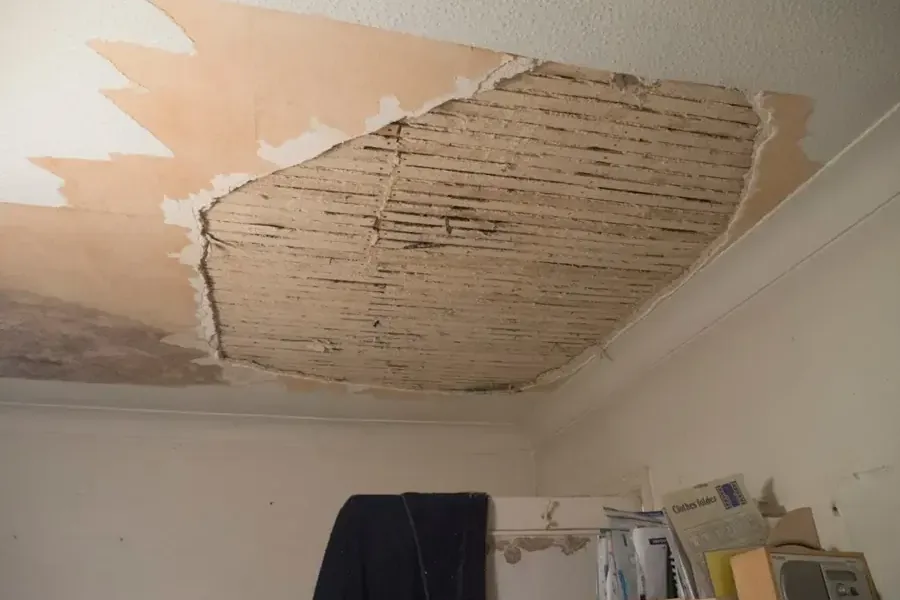 11Roof Leak Water DamageRain entering a roof assembly can travel beyond the first stain. Interior moisture mapping follows that path after safe weather protection is arranged.Roof Leak Water Damage
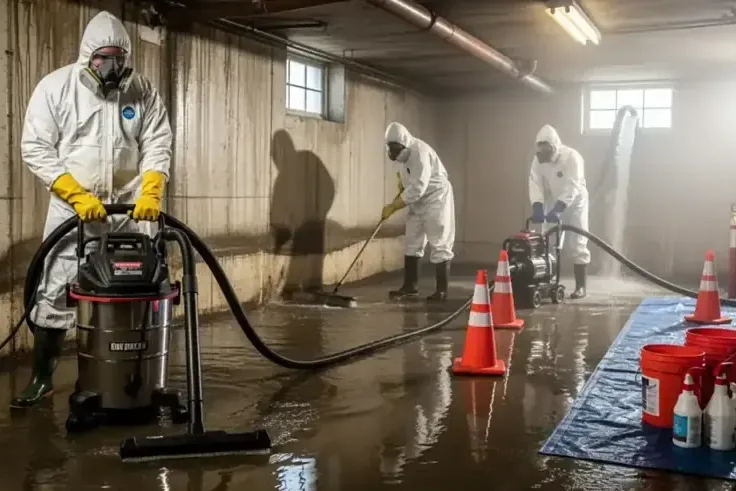 12Sewage Backup CleanupWastewater requires separation from occupied areas. Controlled removal, appropriate disposal and cleaning come before drying and decisions about replacing affected porous finishes.Sewage Backup Cleanup
Follow water from its source to its endpoint
Plant City has hot, humid summers, making indoor moisture control an important part of recovery. Restoration decisions should follow conditions inside the building, with clear checkpoints for each affected assembly.
- 1
Map the spread
The first inspection records water depth, visible staining and moisture readings along adjoining walls, floors and thresholds, creating a baseline for later comparisons.
- 2
Remove accessible water
Extraction equipment addresses pooled water and suitable floor coverings. Crews evaluate what can remain in place and what obstructs safe access to wet layers.
- 3
Reach concealed materials
Selected openings can expose trapped moisture behind trim or inside cavities. The scope should explain those openings before demolition expands beyond the affected area.
- 4
Verify the drying result
Repeat readings show whether equipment placement is working. Completion records identify the checked materials and any repair work that remains after moisture goals are reached.
Equipment serves a specific purpose
- Extraction tools remove water from accessible wet surfaces.
- Moisture meters compare affected materials with dry references.
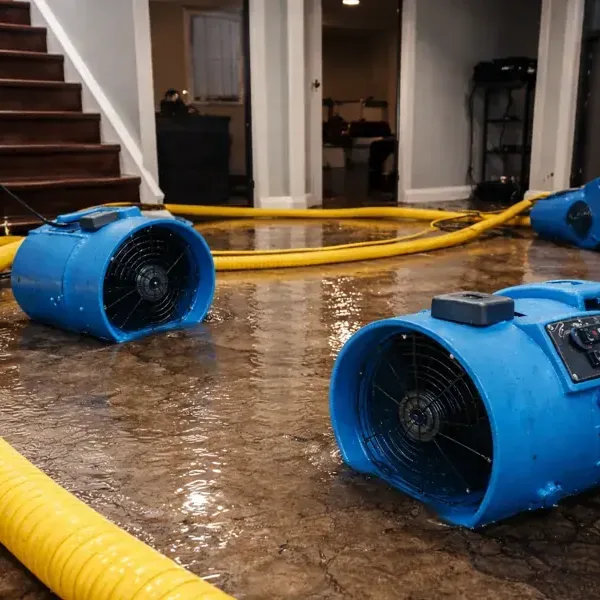
- Air movers circulate air across exposed building surfaces.
- Dehumidifiers collect moisture released into the indoor air.
- Protective barriers separate cleanup activity from occupied areas.
Let measurements set the pace Drying duration changes with material thickness, hidden layers and continued water entry. The drying time estimator helps frame questions, while readings at the property determine equipment adjustments and completion.
Investigate a floor that stays damp
- A recurring damp patch deserves attention even when no puddle remains. Flooring edges and nearby wall bases can reveal a larger wet area than the central mark.
- A plumber identifies and repairs a concealed pipe problem. Restoration work then addresses the moisture that has already entered the surrounding floor assembly and adjoining building materials.
- The slab leak damage service explains access and drying considerations, including why new floor finishes should wait until the underlying material has been checked.
What can Plant City water cleanup cost?
The extent of wet materials matters more than the visible puddle alone. These planning bands describe progressively larger cleanup scopes; inspection establishes the actual work, equipment needs and separate repairs before a written estimate can be accepted.
A limited affected area may involve straightforward extraction, accessible drying surfaces and relatively little material removal before the moisture checks are complete.
$1,000 to $3,000Water reaching adjoining rooms or concealed cavities can require additional access, more drying equipment and repeated checks across different building materials.
$3,000 to $7,000Widespread saturation, contaminated water or difficult access can expand removal and drying work, with rebuilding and source repairs considered separately in the estimate.
$7,000 to $10,000+A water damage cost estimate can organize the initial discussion. Final pricing needs an inspection of the affected rooms and materials.
The cleanup method follows what entered the room
Category 1: Cleaner source water
Water from a sanitary source still damages finishes and concealed materials. Time, contact with soiled surfaces and the affected assembly influence the approach to removal and drying.
Category 2: Water with contaminants
Some appliance discharges contain residues that change cleaning and disposal decisions. The source and contacted materials must be evaluated before furnishings or floor coverings are retained.
Category 3: Sewage or outdoor flooding
Sewage and dirty floodwater need controlled access and careful handling. Contaminated porous materials may require removal, followed by cleaning of remaining surfaces before the drying phase.
Understand sewage cleanupBuild a useful damage record
Clear records connect the discovery of water with the work that followed. Photographs, item lists and drying measurements help an adjuster understand what was affected and which actions limited further damage.
- Photograph the suspected source and the first visible signs of water.
- List damaged belongings with room locations and available purchase information.
- Keep plumbing or equipment repair receipts alongside the cleanup estimate.
- Save progress photographs and final moisture records with the claim correspondence.
Separate cleanup from coverage decisions
A restoration estimate describes proposed work. The insurer evaluates policy terms, cause and exclusions, so questions about reimbursement belong with the carrier before repair commitments are made.
Payment responsibility should be clarified early, including deductibles, approved work and any rebuilding costs that sit outside the initial cleanup scope.
Removal, access and drying address different parts of recovery
Plant City properties need an individual damage assessment
Residential context includes Walden Lake, Magnolia Green, Washington Park and Country Hills. The listed ZIP areas help describe the location when arranging an assessment; the street and affected building identify the actual job.
- Walden Lake
- Magnolia Green
- Washington Park
- Country Hills
- Roseland Park
- 33563
- 33564
- 33565
- 33566
- 33567
Seffner Water Damage Restoration · Plant City, FL
Find us on GooglePlan before you call
Nearby service areas
Water damage questions, explained
Reopening a Plant City Business After Floodwater
Plant City business flood recovery needs clear room boundaries, stock decisions and repair handoffs. Plan cleanup and reopening around the affected materials.
Valrico Appliance Leaks and Unexplained Water Use
Valrico appliance water problems can involve a wet floor or unexplained consumption. Use county leak tips to organize observations and plan material cleanup.
Temple Terrace Pipe Leaks and Water Meter Checks
Temple Terrace water use concerns and wet rooms need a coordinated response. Learn which observations help utility staff, plumbers and the water cleanup crew.
Understand the conditions around the building
July 14, 2025: Heavy rain flooded roads and yards, including East Trapnell Road near Howell Branch Creek. Roseland Park residents also described severe flooding after Hurricane Milton and the later summer storm.
- Runoff after heavy rain: The stormwater system carries runoff toward canals, lakes or rivers. Indoor cleanup accounts for sediment and water trapped behind finishes.
- Poorly drained regional soils: The Southern Flatwoods setting includes sandy, poorly drained soils. Property inspections consider exterior water alongside the wet materials found inside individual rooms.
- Humid summer conditions: Hot, humid summers influence the air available for drying. Indoor dehumidification and monitored airflow help move moisture out of exposed building materials.
- Different ages of housing: Washington Park includes older documented homes, while Walden Pointe includes newer examples. The actual construction and leak path determine where inspectors need access.
Questions after water appears
What belongs in the first cleanup conversation?
The caller can describe the water source, rooms involved, current standing water and any access restrictions. Photographs may help explain the situation, but entry into a hazardous room should wait for professional assessment.
Can a dry looking floor still need attention?
Yes. Water can remain below a finish or inside adjacent wall material after the surface stops looking wet. Moisture readings across the affected area help distinguish a dry appearance from a completed drying result.
Does a drainage project prevent interior flooding?
A property needs its own assessment after water enters. Roseland Park stormwater and roadway improvements were completed in June 2025, and residents reported later flooding. Cleanup follows the actual entry route, water condition and affected materials.
Who fixes the source of an indoor leak?
The appropriate repair trade handles failed plumbing, roofing or equipment. Restoration addresses water already inside the building. Coordinating those tasks prevents drying equipment from working against continuing discharge or renewed rain entry.
Should soaked belongings be moved immediately?
Safe, uncontaminated belongings can sometimes be moved to a dry location. Items contacted by sewage or outdoor floodwater need controlled handling. Photographs and a room inventory should accompany disposal decisions whenever safe access permits.
When can replacement flooring be installed?
The substrate must reach a suitable moisture condition before new flooring covers it. The restoration record should identify the tested materials, and the installer should check the replacement product requirements before the surface is closed.
Does the cleanup estimate include every repair?
The written scope should identify extraction, removal, cleaning and drying separately from source repair and reconstruction. That separation helps the property owner compare proposals and understand which trade will finish each remaining part of the work.
How does a humid day affect drying?
Outdoor humidity can make open windows a poor drying choice. Equipment settings and indoor conditions should work together, with material readings used to judge progress instead of assuming that stronger airflow alone solves the problem.
What documentation matters at the end?
Useful closeout records include the affected areas, retained and removed materials, drying measurements and remaining repair needs. Those records help the owner coordinate rebuilding and preserve a clear account of the water loss.
Move from a wet room to a clear scope
Plant City water damage deserves a specific plan for the building involved. A discussion of the source, wet materials and safe access helps organize the inspection and the next practical cleanup steps.
(888) 621-2041Arrange a damage assessmentSeffner Water Damage Restoration
Plant City, FL
Dispatch open every hour, every day of the year
Find us on Google