Water Damage Help in Valrico
Water spreading beneath a doorway needs more than towels. Valrico property owners can arrange removal, concealed moisture checks and a drying plan that follows the water into affected building materials.
(888) 621-2041Discuss the water at this property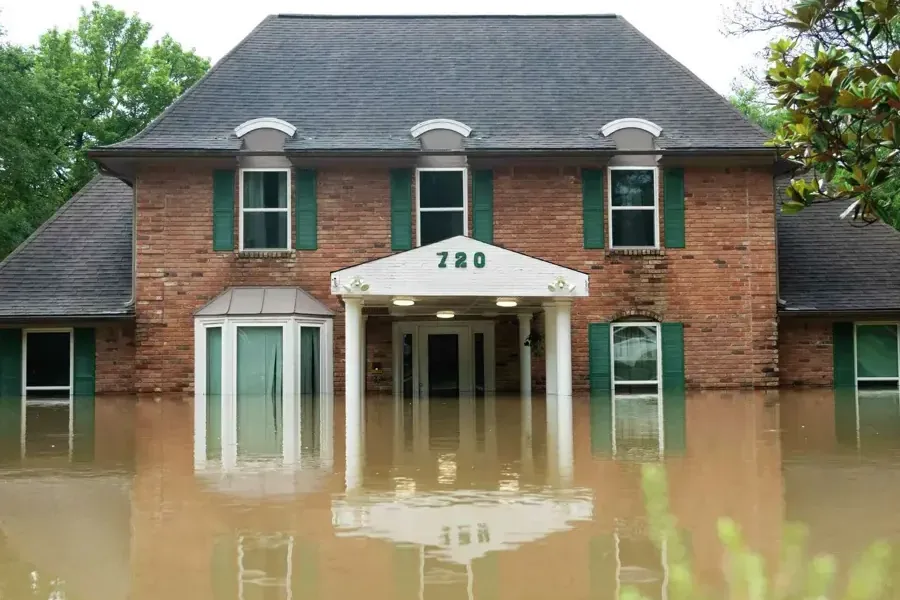 Water removal before material drying
Make the wet area safer to assess
A clear account of the leak helps separate immediate hazards from repair decisions. The source, affected rooms and safe entry route are useful starting details for the assessment.
- Avoid unsafe entry
Occupants should stay outside rooms with unstable ceilings or water near energized equipment. Electrical isolation belongs with a qualified professional.
- Limit the active escape
An accessible water valve may stop a plumbing release when reached from a dry position. Floodwater requires a different access assessment.
- Record visible changes
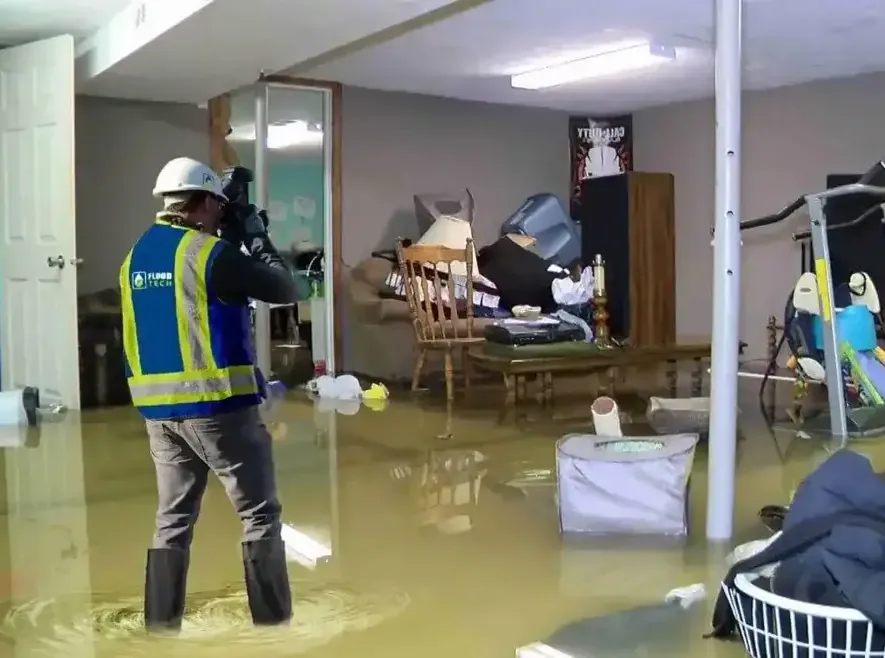
Photos from a safe doorway can capture wet floor edges, damaged belongings and ceiling marks before cleanup changes the room's appearance.
- Describe the route
The property contact should identify locked rooms, pets and stored items that could restrict inspection or equipment movement through the building.
Different sources need different cleanup decisions
The service selection starts with how water arrived and where it traveled. A leaking appliance, saturated ceiling and outdoor flood each require their own inspection and handling approach.
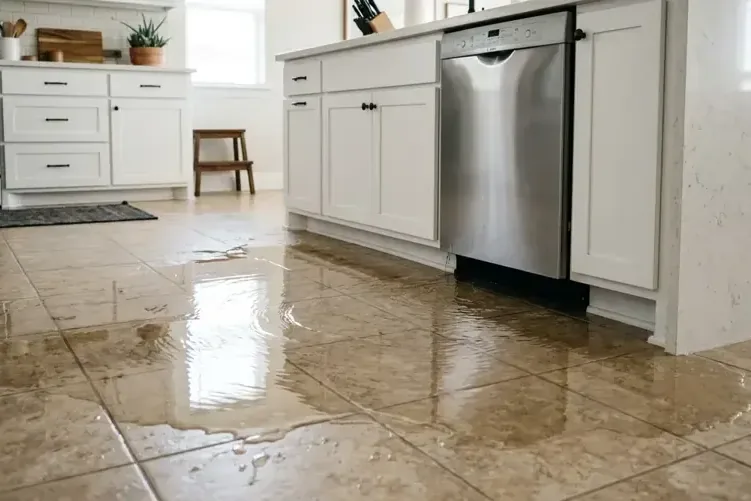 01Appliance Leak CleanupWater behind a dishwasher or washer often hides beneath equipment. Accessible connections, cabinet bases and adjoining flooring need examination before the machine returns to use.Appliance Leak Cleanup
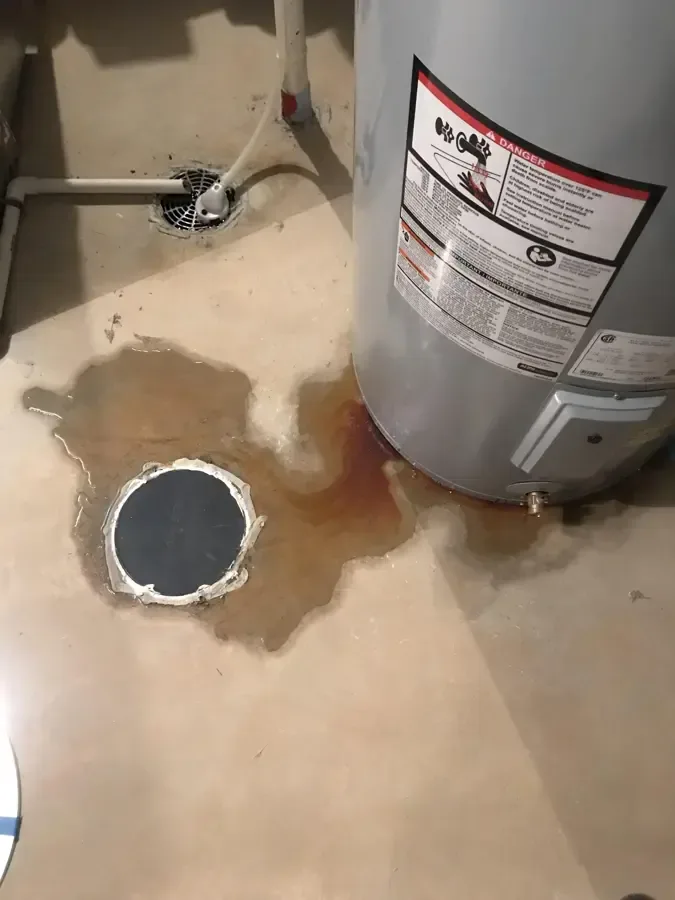
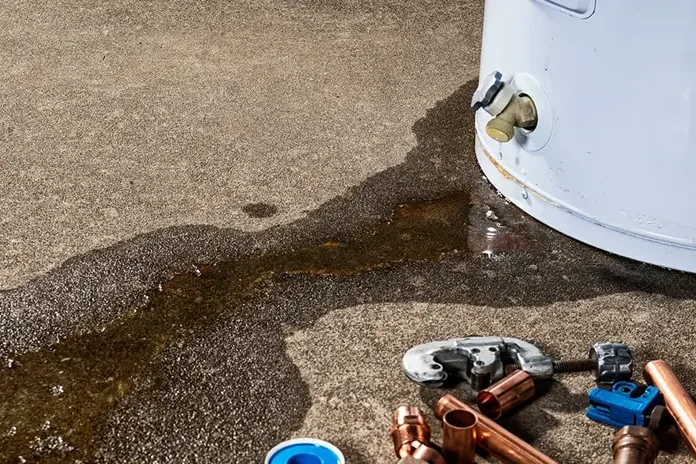 02Water Heater Leak CleanupA tank leak can saturate closet edges and stored belongings. Cleanup follows the escaped water while a plumbing professional addresses the equipment failure separately.Water Heater Leak Cleanup
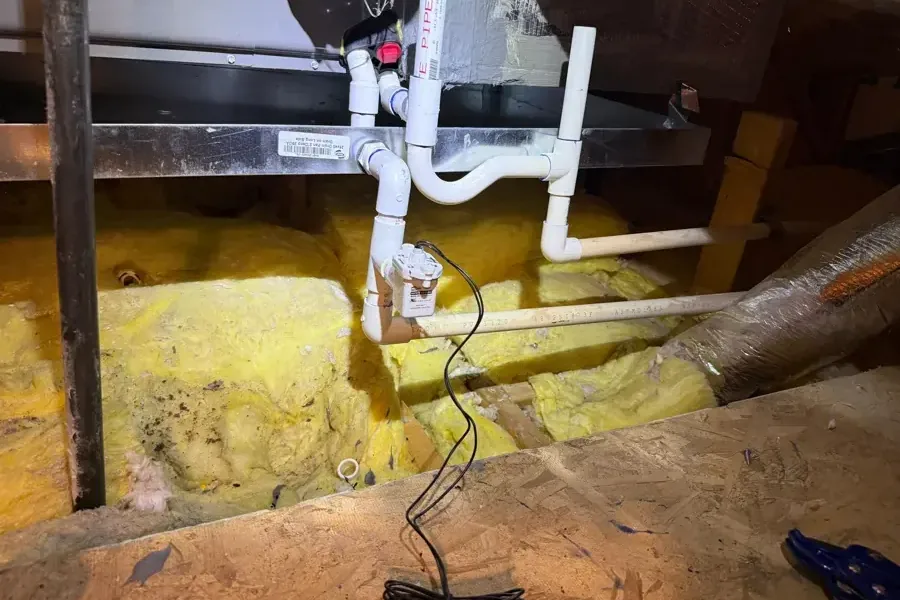 03AC Condensate Leak DamageOverflow at an air handler can wet insulation before ceiling marks appear. Equipment repair and cavity drying solve different parts of the same incident.AC Condensate Leak Damage
 04Water Extraction & RemovalStanding water removal opens the floor for closer assessment. Carpet, door thresholds and furniture bases can hold additional water after the visible puddle disappears.Water Extraction & Removal
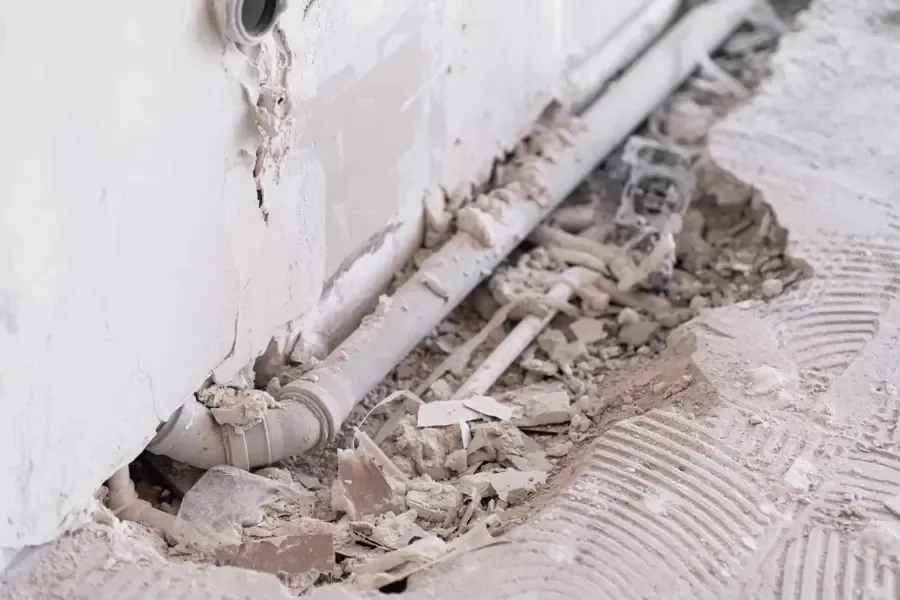 05Slab Leak Water DamageUnexplained damp flooring deserves source tracing before replacement finishes arrive. Moisture beneath a floor may extend beyond the area that first looks discolored.Slab Leak Water Damage
06Storm Flood CleanupOutdoor water introduces debris and contaminated residue. Controlled access, removal decisions and surface cleaning establish the conditions needed for the later drying stage.Storm Flood Cleanup
05Slab Leak Water DamageUnexplained damp flooring deserves source tracing before replacement finishes arrive. Moisture beneath a floor may extend beyond the area that first looks discolored.Slab Leak Water Damage
06Storm Flood CleanupOutdoor water introduces debris and contaminated residue. Controlled access, removal decisions and surface cleaning establish the conditions needed for the later drying stage.Storm Flood Cleanup
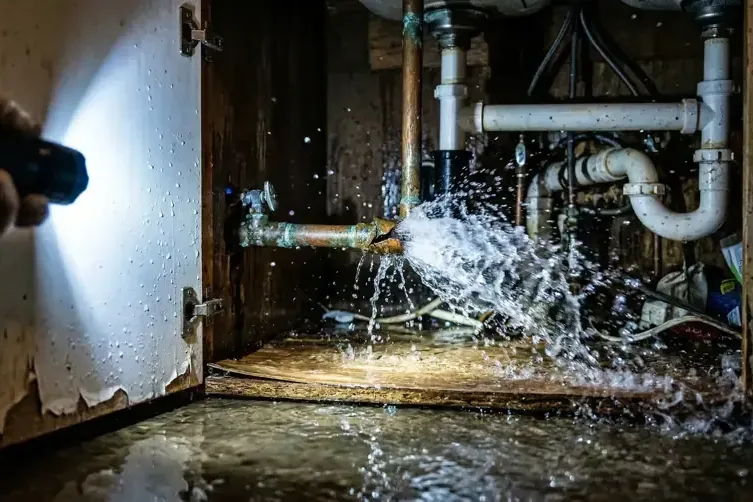 07Burst Pipe CleanupA pressurized pipe escape can reach multiple rooms quickly. Source isolation and mapping of wall bases help establish how much building material became wet.Burst Pipe Cleanup
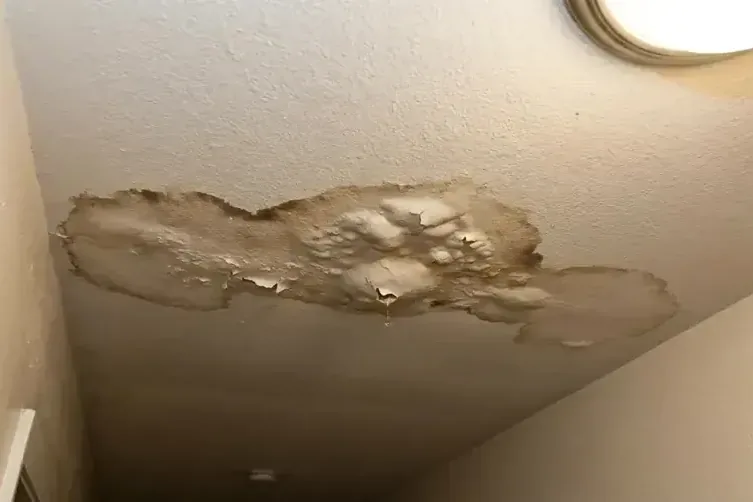 08Ceiling Leak Water DamageSagging or blistered ceiling finishes need a controlled overhead assessment. The inspection follows moisture above the visible stain and checks connected walls below.Ceiling Leak Water Damage
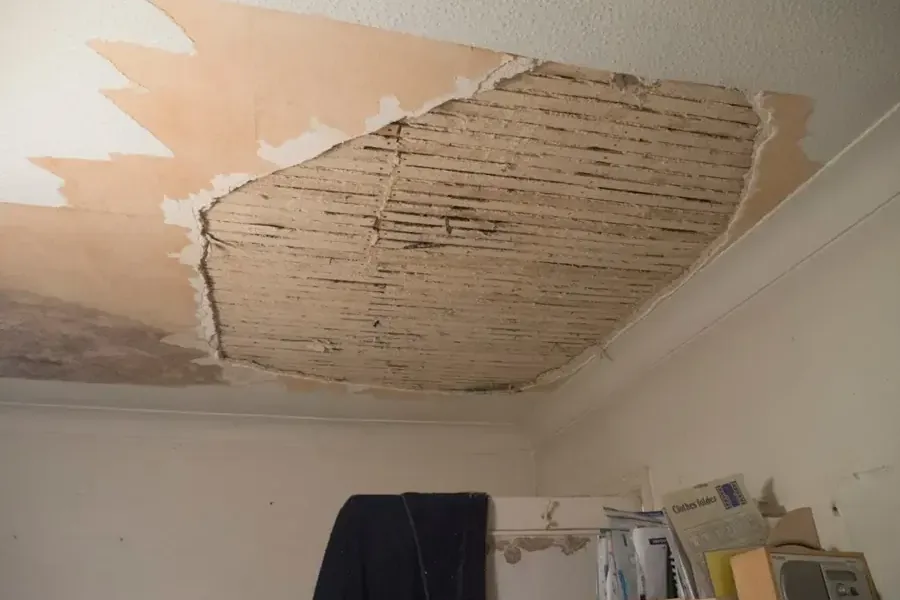 09Roof Leak Water DamageRain entry may travel along framing before becoming visible indoors. Weather protection and interior moisture mapping help prevent a repaired ceiling from becoming wet again.Roof Leak Water Damage
 10Structural Drying & DehumidificationAir movement and dehumidification work together after extraction. Material readings determine whether concealed layers are improving and when the space is ready for repairs.Structural Drying & Dehumidification
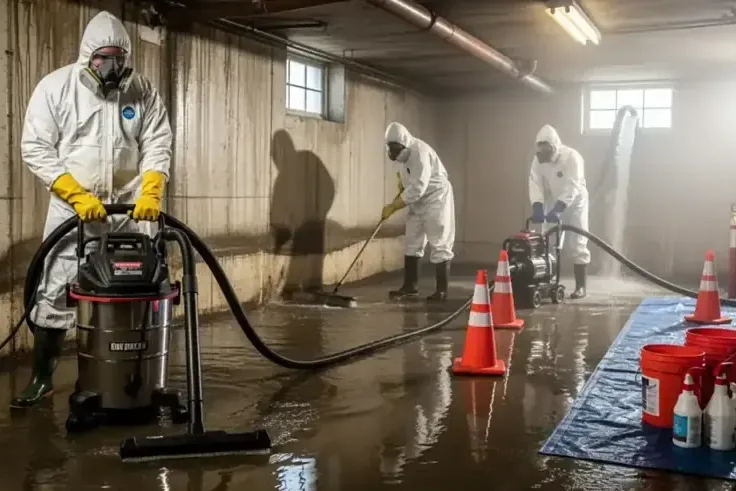 11Sewage Backup CleanupWastewater requires isolation of the affected area. Protective handling, porous material decisions and cleaning take priority before ordinary drying equipment begins moving air.Sewage Backup Cleanup
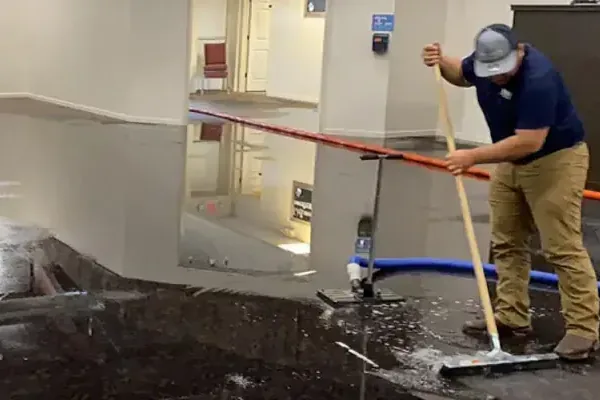 12Commercial Water DamageBusiness cleanup must account for occupied areas and access control. A written room sequence helps coordinate wet materials, equipment placement and responsibility for repairs.Commercial Water Damage
Follow moisture through the whole affected assembly
The inspection builds a room by room picture of the damage. Removal and drying then follow that picture, with further checks wherever readings or material condition suggest concealed moisture.
- 1
Establish the source
The assessor records the reported escape, current water activity and affected finishes. Repair responsibilities are identified before drying work proceeds around an unresolved leak.
- 2
Remove accessible water
Extraction equipment collects standing water while the crew checks for trapped pockets at thresholds and beneath movable contents. Contaminated areas receive controlled handling.
- 3
Set drying conditions
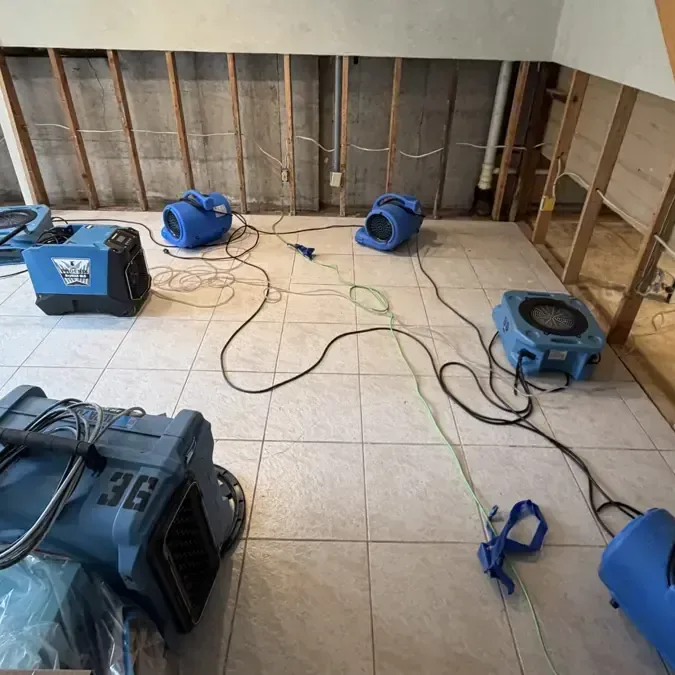
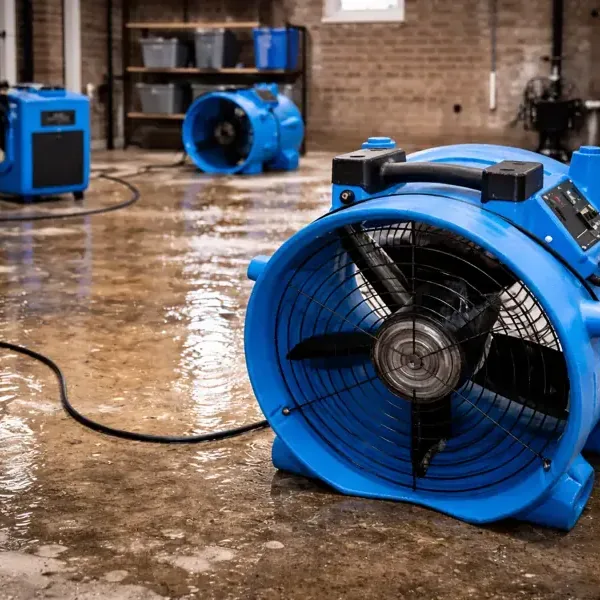
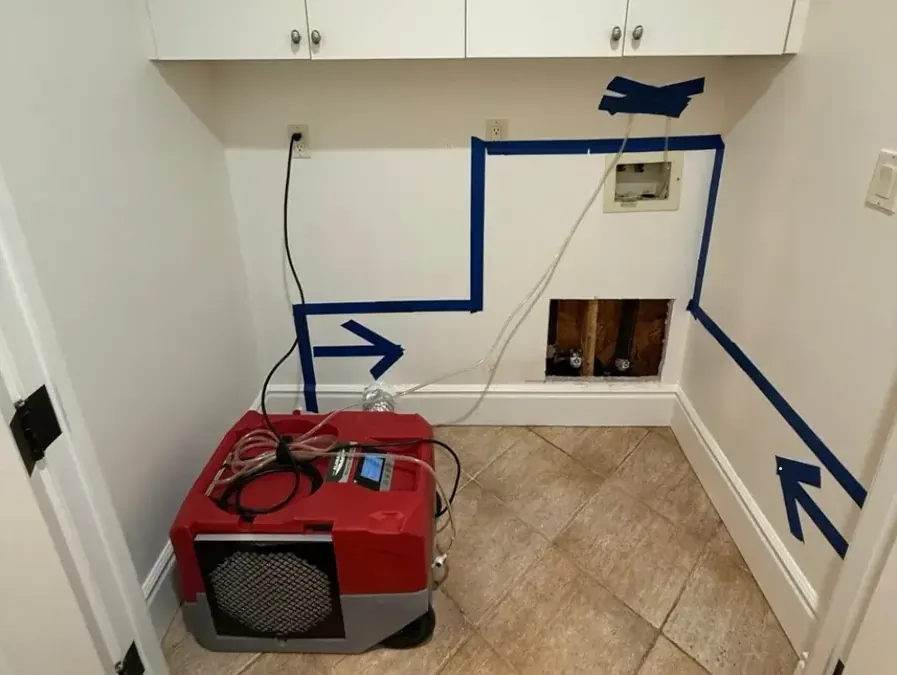
Air movers and dehumidifiers are positioned for the wet materials. Access openings may be needed where intact coverings prevent moisture from leaving a cavity.
- 4
Track material progress
Repeat measurements compare the affected structure with suitable dry references. Equipment changes follow the readings, and remaining repairs are recorded before the drying work closes.
Equipment chosen for the wet materials
- Extraction tools collect liquid before evaporation becomes the main task.
- Moisture meters compare materials with appropriate dry reference areas.
- Air movers circulate air across accessible affected building surfaces.
- Dehumidifiers collect moisture released during the controlled drying process.
- Protective barriers separate removal work from adjoining occupied rooms.
Readings determine the next step Repeated measurements show whether a wall or floor is progressing toward its drying goals. The record identifies affected materials and any layer needing further access before the repair contractor begins closing the assembly.
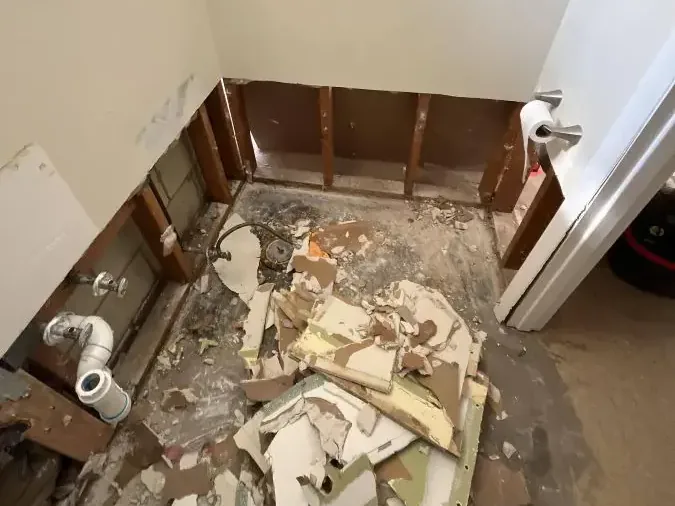
Damp flooring can conceal a larger wet area
- Hillsborough County recommends comparing meter readings while household water use and irrigation are stopped. That check can help identify ongoing consumption before a plumber traces the source.
- Soft trim, lifting floor edges and recurring damp patches deserve inspection beyond the visible spot. Adjacent cabinets and wall bases may provide useful access to concealed moisture.
- Repairing the water escape and drying its footprint are separate tasks. Slab leak cleanup explains how testing helps determine the extent of affected flooring and substrate.
What affects water damage costs in Valrico?
A cleanup estimate depends on water condition, wet material depth and access. A limited room differs from a contaminated multiroom loss because removal, disposal and monitoring requirements change. The assessment should explain those differences in a written scope.
A smaller accessible footprint generally needs fewer equipment positions, less contents movement and limited selective opening around the wet materials.
$1,000 to $3,000Water beneath finishes and inside walls adds moisture testing, material handling and additional drying locations across the affected part of the property.
$3,000 to $7,000Broader saturation or contamination can require substantial removal, more controlled work areas and a longer sequence of inspections before reconstruction starts.
$7,000 to $10,000+The cleanup cost calculator offers planning context. A property inspection establishes the actual work, while plumbing repairs and replacement finishes need clearly stated pricing.
The source changes the cleanup method
Category 1: Sanitary source
Water beginning at a sanitary supply still needs prompt assessment. Contact with building materials and elapsed exposure can change its condition, making inspection essential when selecting the cleanup method.
Category 2: Contaminated discharge
Used appliance water can carry contaminants that affect removal choices. The inspection considers what escaped, where it traveled and which porous materials absorbed it before selecting a cleaning approach.
Category 3: Heavily contaminated water
Sewage and outdoor floodwater require restricted access and protective work practices. Affected porous finishes need careful evaluation, while exposed salvageable surfaces require cleaning before the structure is dried.
Understand wastewater cleanupOrganize information as work progresses
A useful claim file connects the reported source with dated photographs, the affected rooms and the work performed. Clear records help the adjuster assess the loss alongside the policy's terms and exclusions.
- Photograph accessible damage before contents or affected finishes leave the room.
- Retain plumbing invoices that identify the repair and date of completion.
- Keep the extraction, removal and drying scope with subsequent written changes.
- Store material readings and equipment records with the final cleanup paperwork.
Separate the bill from the claim
Hillsborough County customers can request a leak adjustment after a repaired plumbing leak. That utility billing process is separate from an insurance decision about damage inside the building.
Coverage depends on the policy and cause of loss. The insurer evaluates the claim using the submitted documentation and applicable terms.
Visible tasks behind a complete dry out
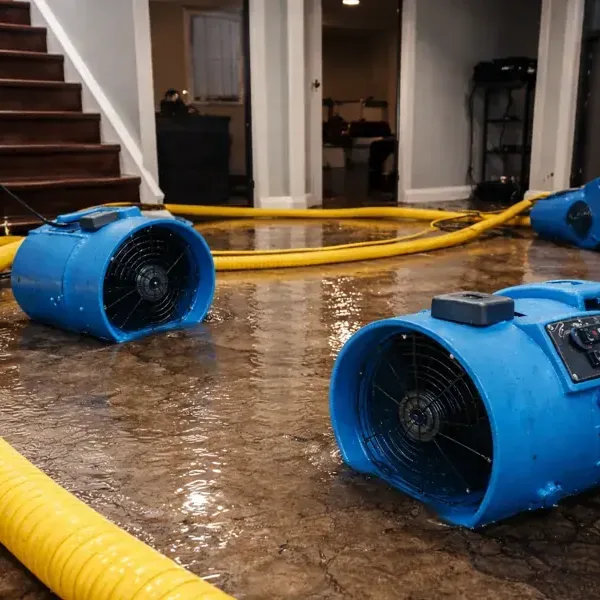
Water cleanup across the Valrico community
Valrico is an unincorporated community in Hillsborough County. State Road 60, Buckhorn Park and the James McCabe Theater provide familiar location references when discussing access and the affected property with the restoration contact.
- Feather Rock
- Buckhorn Park
- Front Street
- State Road 60
- James McCabe Theater
- 33594
- 33595
- 33596
Plan before you call
Nearby service areas
Water damage questions, explained
Valrico Appliance Leaks and Unexplained Water Use
Valrico appliance water problems can involve a wet floor or unexplained consumption. Use county leak tips to organize observations and plan material cleanup.
Temple Terrace Pipe Leaks and Water Meter Checks
Temple Terrace water use concerns and wet rooms need a coordinated response. Learn which observations help utility staff, plumbers and the water cleanup crew.
Tampa Sewage Backups and Safe Room Boundaries
Tampa sewage cleanup begins with restricted access and a clear map of affected rooms. Learn how fixture reports, contents handling and cleaning fit together.
Plan for the source that actually occurred
October 2024: Feather Rock streets remained flooded nine days after Hurricane Milton. The county attributed slow drainage to high downstream creeks and natural waterbodies, illustrating why storm access can complicate recovery.
- Flooded access routes: Flooded approaches can restrict equipment entry. Safe access and a route for removed material must be established before cleanup proceeds.
- Drainage project planning: Front Street Drainage Improvements appears on the county's approved initial disaster recovery project list. Cleanup starts with conditions at the affected building.
- Unexpected indoor consumption: The county leak checklist includes toilets, faucets, irrigation and water softeners. A softener stuck on backflush can continually use water without an obvious indoor puddle.
- Concealed repair decisions: County permit guidance distinguishes stopping leaks from replacing defective concealed piping. The repair scope determines the relevant requirement when opening wet building assemblies.
Questions before cleanup begins
Is Valrico an incorporated city?
Valrico is an unincorporated community and census designated place in Hillsborough County. County services and property specific arrangements matter when identifying utility contacts or determining the requirements for a planned repair.
What if water remains around the building?
Entry should wait until access is safe. Standing outdoor water may conceal electrical hazards, unstable surfaces and contamination. The cleanup plan needs a safe equipment route and a place to handle removed materials before interior work starts.
Does extraction finish the job?
Extraction removes accessible liquid, but moisture can remain in wall cavities, flooring layers and trim. Material testing identifies those areas so drying equipment addresses the structure rather than only improving the appearance of the floor.
Can a ceiling stain be painted immediately?
The source and moisture above the stain should be assessed first. Paint does not repair an active escape or restore weakened ceiling material. Repair planning follows source control, safe removal where needed and documented drying progress.
Which details help describe a plumbing escape?
Useful details include whether water is still flowing, which valve was closed, when the problem became visible and which rooms became wet. Repair invoices and photographs help connect the source correction with the subsequent cleanup work.
Are nearby public buildings part of a damage report?
Landmarks such as Cimino Elementary School can help describe a property location. Damage assessment concerns the affected building itself, including its source, material condition and access arrangements, so the inspection remains specific to that property.
What changes when sewage reaches carpet?
The affected room needs restricted access and contamination assessment before ordinary airflow begins. Absorbent flooring may require removal, while exposed salvageable surfaces need cleaning. The drying sequence follows those decisions and the correction of the backup.
How is the end of drying decided?
The crew compares repeated material readings with suitable dry references and checks concealed areas identified during the inspection. Stable room air alone is insufficient when moisture remains deeper inside the floor, wall or ceiling assembly.
Can the same contact discuss several wet rooms?
The initial description can cover the full affected property. Listing each wet room, including storage spaces and connecting hallways, helps establish inspection priorities and reduces the chance that a concealed water path is overlooked.
Start with the water's source and path
A room that looks nearly dry can still contain saturated layers. Arrange an assessment that connects source control, removal decisions and material measurements before replacement finishes close the affected area again.
(888) 621-2041Arrange this property's water assessmentSeffner Water Damage Restoration
Valrico, FL
Dispatch open every hour, every day of the year
Find us on Google