Storm Flood Cleanup in Tampa
A flooded room holds more than rainwater once water has crossed outdoor surfaces. Cleanup needs a safe entry decision, a contamination assessment and a practical route from debris removal to drying the remaining structure.
(888) 621-2041Discuss rooms affected by flooding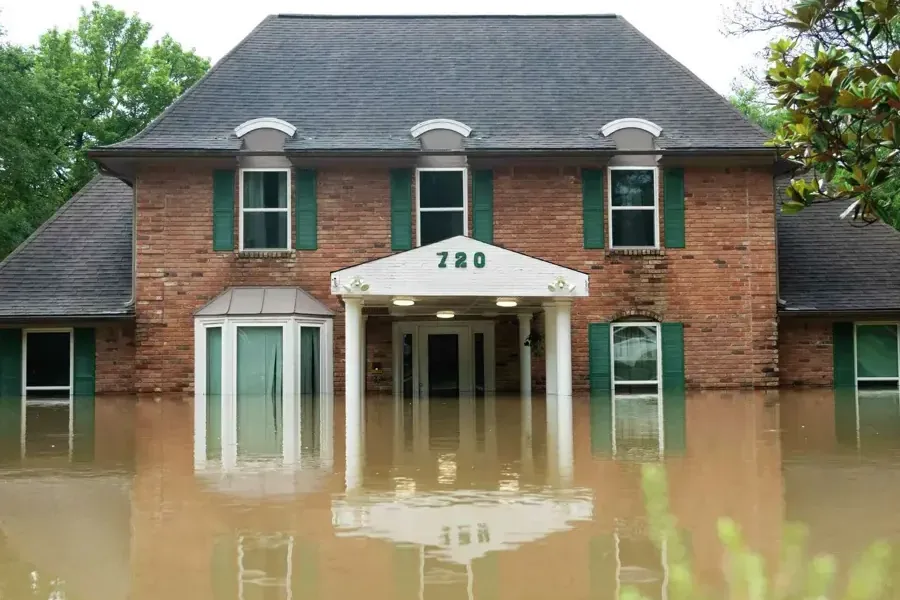
What to do the moment you find storm flood cleanup
- Confirm safe return conditions
Follow property access restrictions and avoid walking through standing outdoor water. Interior hazards still need assessment after the route to the building becomes accessible.
- Capture water entry evidence
Photograph thresholds, deposited soil and visible water marks from safe locations. These observations help distinguish the entry route from damage that developed farther inside.
- Keep the affected zone separate
Restrict movement between flooded rooms and dry areas. Shoes, belongings and improvised cleanup tools can carry contamination beyond the original boundary of the water.
- List vulnerable contents
Identify wet furniture, stored papers and enclosed storage areas for assessment. Condition and exposure determine handling decisions before items are moved or discarded during cleanup.
How storm flood cleanup is handled in Tampa
Flooded occupied rooms
Access, contamination and materials below the water mark define the scope. Protective measures and removal decisions precede household traffic or routine cleaning in the flooded area.
Debris and sediment deposits
Mud can collect at room edges and inside accessible cavities. Controlled removal and surface cleaning prepare retained construction for drying, while photographs preserve evidence of the original water exposure.
Wet porous finishes
Absorbent coverings and insulation are evaluated for removal according to water condition and damage. The work area is organized to prevent affected debris from passing through occupied dry rooms unnecessarily.
Remaining structural moisture
After cleaning and necessary removal, exposed materials can be measured and dried. Monitoring identifies slow areas and helps determine when the structure can progress to its planned finish repairs.
What does storm flood cleanup cost in Tampa, FL?
Storm cleanup pricing in Tampa is shaped by contamination, deposited debris, water depth and the amount of affected construction. The written scope should explain removal and cleaning tasks separately from drying, source repairs and any reconstruction proposed after the structure is ready.
A contained entry may need limited removal and cleaning, with fewer contents and concealed spaces to assess.
$1,000 to $3,000Flooded rooms add debris handling and cleaning before retained construction is ready for the drying equipment setup.
$3,000 to $7,000Broad exposure, deep material saturation and difficult access can require substantial controlled removal and a larger drying operation before rebuilding decisions.
$7,000 to $10,000+Every loss is priced on its own scope. Run the numbers in the water damage cost calculator for a planning range.
The storm flood cleanup process, start to dry
- 1
Identify exposure and hazards
The assessment records how water entered and what it contacted. Electrical concerns, structural stability and occupancy arrangements determine the safe sequence for the proposed cleanup.
- 2
Remove water and debris
Accessible liquid and deposited material are collected with appropriate protection. Unsalvageable porous finishes are handled within the defined work zone to limit cross contamination.
- 3
Clean remaining surfaces
Suitable retained materials receive cleaning appropriate to their exposure. Access openings allow inspection of enclosed areas before drying equipment is positioned for the remaining moisture.
- 4
Track drying and repair readiness
Material readings and progress notes document the response to equipment. The final record identifies retained materials, completed tasks and any separate work needed before occupancy or finishes resume.
Storm flood cleanup in Tampa begins outside the wet room: access conditions, utility hazards and the possibility of continuing entry all matter. Water that has crossed soil, pavement or drains requires a different response from a contained indoor supply leak. The work plan should identify that exposure before occupants or equipment move through affected rooms.
Distinguish rainfall entry from coastal flooding
The Interbay Peninsula separates Hillsborough Bay from Old Tampa Bay. This waterfront setting makes the water route an essential part of the loss description. The rainy season generally runs from late May to early October, with frequent summer thunderstorms. A roof opening, water crossing a threshold and broader outdoor flooding should be recorded as different observations during assessment.
Use maps for property planning
Hillsborough County provides a FEMA Effective Flood Zone Viewer and a Floodplain Viewer. County watershed models omit coastal storm surge as an input. Property planning therefore needs the appropriate information for the hazard being considered. During cleanup, photographs of entry points, deposited soil and affected room boundaries help document what occurred at the building.
- Keep occupants out of areas with uncertain electrical conditions.
- Separate wet belongings from the route used by workers.
- Record water marks before removing damaged finishes.
- Identify enclosed spaces where floodwater could remain trapped.
Clean before treating drying as the main task
Soil and contaminated porous materials need controlled handling. Suitable retained surfaces are cleaned, and moisture measurements then shape the drying setup. Water extraction may be part of this sequence, but collecting liquid alone leaves the material and contamination questions unresolved. The rainwater entry check helps organize observations about the path into a building.
Floodwater can conceal unstable surfaces and energized equipment. A clear exterior route does not make the interior safe; the entry assessment must consider the rooms and utilities that were exposed.
Storm Flood Cleanup across Tampa, FL
Old Seminole Heights has restored bungalows, while Downtown Tampa includes residential high rises. Those settings call for different access conversations. The actual wet materials, source location and building arrangements determine the work at each property.
Related water damage services in Tampa
 Water Extraction & Removal in TampaStanding water removal targets the liquid held in floors and furnishings before drying equipment addresses moisture remaining inside the building materials and concealed edges.
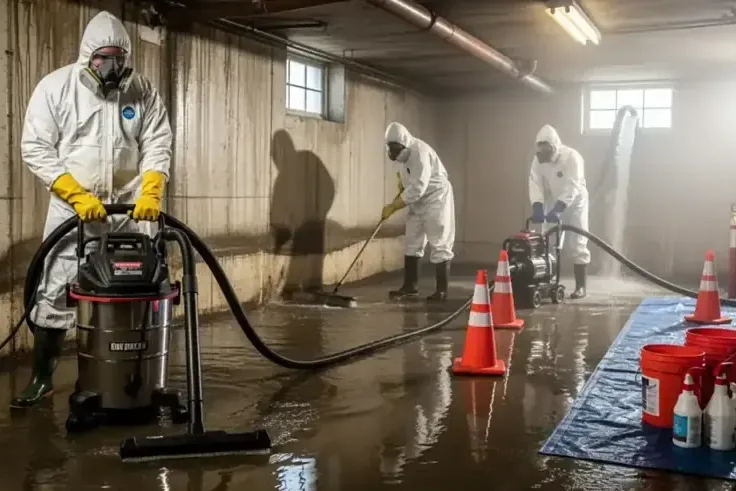 Sewage Backup Cleanup in TampaWastewater returning indoors requires restricted access and controlled removal. Affected porous materials and remaining hard surfaces need separate decisions within a contained cleanup area.
 Structural Drying & Dehumidification in TampaMoisture readings determine how long wet materials need equipment. Air movement and dehumidification support drying until the affected assembly reaches its documented completion criteria.
Storm Flood Cleanup questions in Tampa, answered
Is rainwater inside always treated as clean water?
Its route matters. Water that crossed outdoor surfaces can carry contaminants into the building, while a roof leak has a different exposure history. The assessment should establish that route before deciding on cleaning, removal and protective measures.
Can fans be started before flood cleanup?
Air movement should follow a contamination and electrical assessment. Blowing air across dirty wet materials can interfere with controlled cleanup. Water removal, necessary disposal and surface cleaning may need to happen before the remaining structure is dried.
What should be photographed after a flood?
Safe photographs of entry points, water marks, sediment and affected contents preserve useful loss details. Images should also show the relationship between rooms. Occupants should avoid entering hazardous spaces merely to make the record more complete.
Does the county floodplain map include coastal surge?
The county states that its watershed models omit coastal storm surge as an input. The Floodplain Viewer and FEMA Effective Flood Zone Viewer serve different planning purposes. Property decisions should use information appropriate to the hazard being considered.
Must wet furniture be moved into dry rooms?
Moving contaminated items through an occupied area can spread the cleanup footprint. Contents should be assessed and a handling route established first. Items needing disposal and items suitable for treatment can then follow separate, controlled paths.
When can wall finishes be replaced after flooding?
Replacement follows source control, necessary cleaning and documented drying of retained construction. Hidden cavities need assessment before closure. The repair plan should also account for any utility or building issues discovered during the flood response.
Storm Flood Cleanup in Tampa? Call now.
Standing water keeps wicking into drywall, subfloor and framing until it is pulled out. The restoration crew serving Tampa extracts it, dries the structure to the IICRC S500 standard and records every reading for the claim.
(888) 621-2041Discuss the wet structureSeffner Water Damage Restoration
Tampa, FL
Dispatch open every hour, every day of the year
Find us on Google