Valrico AC Condensate Water Damage
A small ceiling mark beneath cooling equipment can hide wet insulation above it. Cleanup follows the condensate route through accessible cavities and coordinates material drying with correction of the equipment's drain problem.
(888) 621-2041Discuss the condensate overflow footprint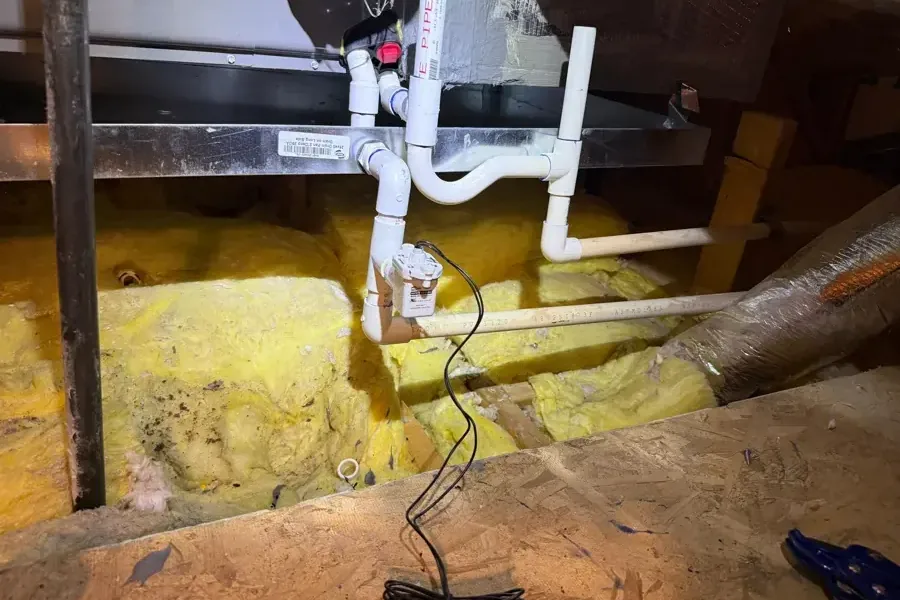
What to do the moment you find AC condensate leak damage
- Describe the cooling related clue
The contact reports when the ceiling mark appeared and any equipment overflow. An HVAC professional investigates the mechanical condition before continued operation affects wet materials.
- Establish safe inspection access
The assessor identifies a supported route to the equipment area or an appropriate opening below. Unstable ceilings and concealed electrical components influence where work can begin.
- Examine insulation and cavities
Inspection follows the condensate path through absorbent layers. Material condition determines removal needs and whether the retained assembly can be reached effectively by the drying arrangement.
- Keep measurements available
The drying plan preserves access to affected framing and finishes. Repeat checks establish progress before insulation replacement or ceiling patching closes the previously wet area again.
How AC condensate leak damage is handled in Valrico
Air handler overflow areas
Water near the unit can collect in surrounding materials before reaching a visible finish. The assessment connects the equipment repair findings with the actual wet footprint in the building.
Wet cavity insulation
Insulation can conceal retained water and restrict inspection of adjacent surfaces. Its condition and access needs determine whether removal is required before the remaining assembly can be effectively dried.
Ceiling marks below equipment
Discoloration identifies an area for investigation but may represent only part of the affected ceiling. Testing follows its edges and connected framing to establish the broader extent of moisture.
Connected wall moisture
Water traveling beyond the initial ceiling area can enter wall cavities. Those paths need assessment and suitable monitoring points so the drying scope includes materials away from the equipment location.
What does AC condensate leak damage cost in Valrico, FL?
AC condensate cleanup costs in Valrico depend on overhead access, insulation condition and the extent of connected moisture. The estimate should separate the HVAC repair from material removal, room protection and monitored drying of the ceiling or adjoining walls.
A small reachable wet area permits focused inspection and equipment placement with limited opening of affected finishes.
$900 to $1,800Overhead handling and saturated insulation increase room protection, removal needs and checks before the cavity is closed.
$1,800 to $4,000Moisture extending into walls or flooring requires more drying positions and coordination of access for later repairs.
$4,000 to $6,500+Every loss is priced on its own scope. Run the numbers in the water damage cost calculator for a planning range.
The AC condensate leak damage process, start to dry
- 1
Connect the equipment findings
The mechanical assessment identifies what allowed condensate to escape. Restoration notes record the nearby wet materials and distinguish source correction from the damage requiring cleanup and drying.
- 2
Protect the room below
Contents and occupied areas are considered before overhead access is made. The work arrangement controls material handling and preserves a safe route around equipment and removed finishes.
- 3
Test the retained assembly
Readings from accessible wet layers establish monitoring locations. Air movement and dehumidification are adjusted to reach those materials after required insulation handling or selective removal is completed.
- 4
Coordinate ceiling restoration
The drying record identifies tested surfaces and remaining replacement work. Insulation and finish installation follow the condition of the assembly and the confirmed correction of the equipment source.
Condensate overflow in a Valrico property can remain out of sight while insulation absorbs the water. By the time a ceiling mark appears, the wet path may extend beyond that mark. A restoration survey works from the equipment area toward the affected finishes, checking accessible layers along the route.
Repair the drain problem and assess its consequences
An HVAC professional evaluates the air handler, drainage and related controls. That work establishes the source correction. Restoration personnel then assess water retained in building materials, including insulation, ceiling finishes and nearby wall cavities. A functioning system and a dry cavity are separate completion conditions.
Buckhorn Park, Cimino Elementary School and State Road 60 offer familiar references for arranging a property visit. The interior inspection depends on the actual equipment location and safe access above or around it. No standard opening size or assumed ceiling arrangement can replace that assessment.
Find where insulation is holding the overflow
- Check the accessible area below the equipment and around the drain route.
- Assess insulation condition before deciding whether it can remain in the drying assembly.
- Trace ceiling moisture toward nearby walls when readings extend past the visible stain.
Opening a finish may be needed to inspect concealed surfaces or remove damaged material. The ceiling damage service describes overhead access considerations. When materials remain suitable for drying, dehumidification and airflow should address the wet layers with repeat measurements at useful locations.
Leave a clear path for follow up checks
Replacing insulation or patching a ceiling too early can conceal moisture that still needs attention. The work sequence should keep relevant test points accessible until progress is established. Hillsborough County requires a permit for repairs that remove or cut structural beams or load bearing supports, so any proposed structural intervention needs the appropriate repair planning.
A written record can connect the corrected condensate source, affected materials and drying results. That record helps the finish contractor understand which areas were opened and which surfaces remain ready for repair.
AC Condensate Leak Damage across Valrico, FL
Valrico is an unincorporated community in Hillsborough County. State Road 60, Buckhorn Park and the James McCabe Theater provide familiar location references when discussing access and the affected property with the restoration contact.
Related water damage services in Valrico
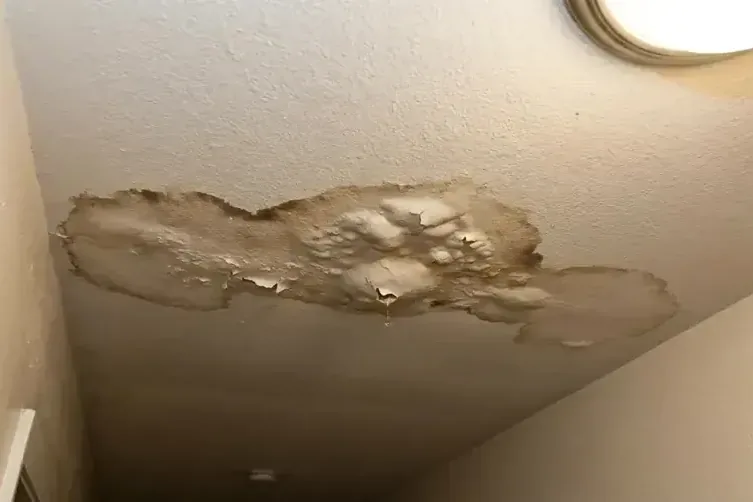 Ceiling Leak Water Damage in ValricoSagging or blistered ceiling finishes need a controlled overhead assessment. The inspection follows moisture above the visible stain and checks connected walls below.
 Structural Drying & Dehumidification in ValricoAir movement and dehumidification work together after extraction. Material readings determine whether concealed layers are improving and when the space is ready for repairs.
 Water Extraction & Removal in ValricoStanding water removal opens the floor for closer assessment. Carpet, door thresholds and furniture bases can hold additional water after the visible puddle disappears.
AC Condensate Leak Damage questions in Valrico, answered
Does a working AC mean the damage has stopped?
The equipment can cool while a drainage problem or retained building moisture still needs attention. An HVAC professional assesses the mechanical source. Restoration checks establish whether insulation, ceilings or connected walls remain wet after that equipment problem has been corrected.
Can the stain be smaller than the wet area?
Yes. Water can move through insulation or along framing before showing through a ceiling finish. Moisture testing around and beyond the visible mark helps determine the inspection boundary and identifies where additional access may be needed to examine concealed materials.
Why remove wet insulation?
The decision depends on its condition and whether it prevents inspection or effective drying of the assembly. Retained water can be concealed within the cavity. Any proposed removal should be explained alongside the plan for drying exposed framing and adjacent ceiling materials.
Should the ceiling be opened from below?
The safe access method depends on equipment location, supported access and ceiling stability. A suitable inspection from above may be possible in some assemblies, while others need controlled opening below. The assessor chooses a route that permits inspection without unnecessary disturbance.
Who decides when the system can operate again?
The HVAC professional addresses the equipment's safe operation and source correction. The restoration crew separately establishes the drying arrangement and access needs around affected materials. Those decisions should be coordinated so operation does not interfere with cleanup or rewet an unfinished assembly.
What information is useful before the assessment?
The contact can describe the stain location, observed equipment overflow and any recent mechanical findings. Photos taken from a safe position help explain the visible condition. Records should avoid assuming the water path until inspection has checked the layers between equipment and ceiling.
AC Condensate Leak Damage in Valrico? Call now.
Standing water keeps wicking into drywall, subfloor and framing until it is pulled out. The restoration crew serving Valrico extracts it, dries the structure to the IICRC S500 standard and records every reading for the claim.
(888) 621-2041Discuss the wet structureSeffner Water Damage Restoration
Valrico, FL
Dispatch open every hour, every day of the year
Find us on Google