Measured Structural Drying in Valrico
A dry looking room can contain wet layers beneath its finishes. Structural drying uses access, air movement and moisture measurements to determine whether the affected building materials are moving toward suitable repair conditions.
(888) 621-2041Discuss the materials that remain wet
What to do the moment you find structural drying & dehumidification
- Define the retained wet assembly
The assessment identifies materials suitable to remain after source control and required cleanup. Accessible dry reference areas help establish useful comparison points for the moisture measurements.
- Create an effective drying path
The crew considers coverings and enclosed spaces that restrict evaporation. Selective access may be necessary before airflow can reach the surfaces containing the retained water.
- Pair airflow with moisture collection
Air movers and dehumidifiers are arranged for the affected materials and available room space. Equipment positioning accounts for practical access and the route between wet assemblies.
- Measure and adjust the plan
Readings are repeated at recorded locations. When progress slows, the crew reassesses access, equipment arrangement and concealed moisture before deciding what further action is needed.
How structural drying & dehumidification is handled in Valrico
Wet framing and wall cavities
Enclosed assemblies need access and measurement points. The drying plan considers how air reaches wet surfaces and how progress can be checked without prematurely closing the cavity.
Moisture in flooring layers
A surface covering can conceal wet material below it. Inspection identifies the relevant layers and determines whether they can dry effectively in place or need selective access before treatment continues.
Cabinet and trim contact areas
Dense or enclosed components at floor level can retain moisture after the room improves. Their condition and accessibility determine monitoring needs and whether replacement is preferable to continued drying.
Connected ceiling assemblies
Overhead wet areas can include insulation and framing beyond a visible stain. Drying follows the retained salvageable materials after necessary removal, with readings at the locations that were actually affected.
What does structural drying and dehumidification cost in Valrico, FL?
Structural drying costs in Valrico depend on the materials involved, drying access and monitoring needs. The estimate should explain equipment placement and likely scope adjustments, while separating selective removal and reconstruction from the work of drying the retained building assembly.
Exposed salvageable surfaces allow focused airflow and moisture collection with straightforward access for readings at relevant material locations.
$1,200 to $2,200Floors, cabinets and wall cavities add access decisions and equipment positions alongside continued monitoring across the affected property.
$2,200 to $5,000Restricted access and slower evaporation can require specialized arrangements and further inspection before retained materials reach repair readiness.
$5,000 to $8,000+Every loss is priced on its own scope. Run the numbers in the water damage cost calculator for a planning range.
The structural drying and dehumidification process, start to dry
- 1
Set material drying goals
The survey identifies wet assemblies and dry comparisons. Equipment follows these locations so progress can be assessed beyond changes in room conditions.
- 2
Establish the controlled arrangement
Airflow, moisture collection and safe room access are planned together. Openings expose retained wet layers where needed, while machine placement follows the actual moisture map and occupied areas.
- 3
Interpret repeated readings
The crew compares current measurements with earlier findings at the same useful points. Changes in access or equipment follow those trends when particular materials remain wetter than expected.
- 4
Document the drying endpoint
The final assessment records the condition of retained materials and identifies any remaining replacement needs. The repair contractor receives a clear picture before coverings conceal the tested surfaces again.
The important drying question in a Valrico property is not whether the room feels more comfortable. It is whether the wet building materials are losing moisture at the relevant locations. Flooring layers, wall cavities and framing can respond differently, so the plan needs material measurements and practical access to the affected assembly.
Establish what is suitable to dry
October 2024: Floodwater entered some Feather Rock homes after Hurricane Milton. Flood affected materials need contamination and removal decisions before ordinary drying begins. A sanitary plumbing escape has a different starting assessment, but both require a corrected source and removal of accessible liquid before the retained structure can be evaluated effectively.
Buckhorn Park and State Road 60 help describe a property's location. Inside the building, the useful reference points are dry materials of a comparable type and the wet locations recorded during the survey. Those comparisons help establish the goals for the affected assemblies.
Match airflow to the moisture that remains
Air movers promote evaporation from accessible surfaces. Dehumidification removes moisture from the surrounding air so evaporation can continue. The arrangement must account for enclosed cavities, coverings and other barriers that limit access to wet material. More equipment alone cannot solve a hidden layer that remains inaccessible.
- Identify the affected materials and suitable dry reference locations.
- Record repeat readings at useful points rather than relying on room appearance.
- Adjust access or equipment when a material's progress stalls.
- Keep the drying record available for the finish repair handoff.
Use measurements to decide the next action
The water extraction page covers liquid removal before this stage. For moisture below flooring, slab leak damage cleanup explains why substrate access may matter. In each case, readings should connect the equipment plan to the actual wet assembly.
The final assessment checks concealed locations identified earlier and records any materials that still need replacement. A fixed calendar promise cannot substitute for that inspection because the depth of saturation and available drying access vary by property.
Structural Drying and Dehumidification across Valrico, FL
Valrico is an unincorporated community in Hillsborough County. State Road 60, Buckhorn Park and the James McCabe Theater provide familiar location references when discussing access and the affected property with the restoration contact.
Related water damage services in Valrico
 Water Extraction & Removal in ValricoStanding water removal opens the floor for closer assessment. Carpet, door thresholds and furniture bases can hold additional water after the visible puddle disappears.
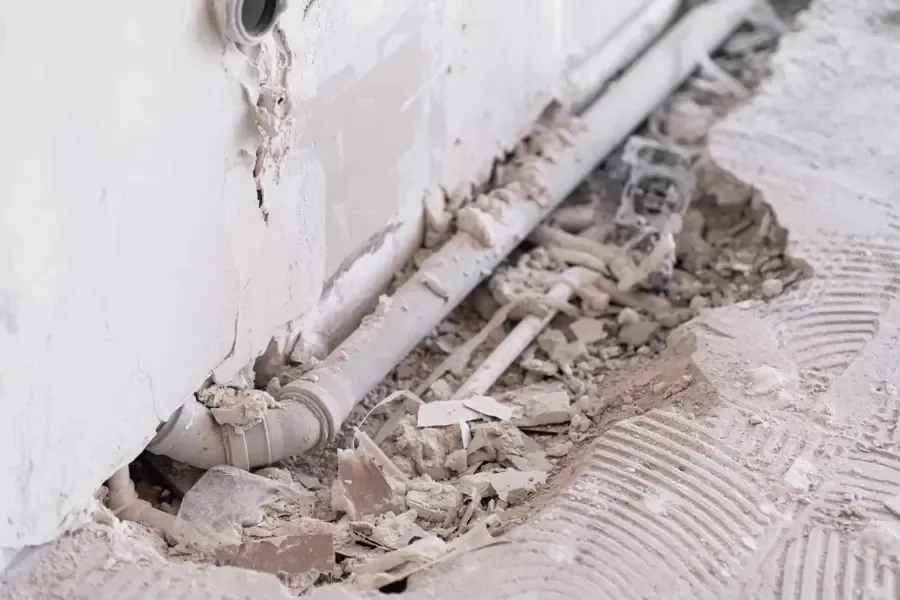 Slab Leak Water Damage in ValricoUnexplained damp flooring deserves source tracing before replacement finishes arrive. Moisture beneath a floor may extend beyond the area that first looks discolored.
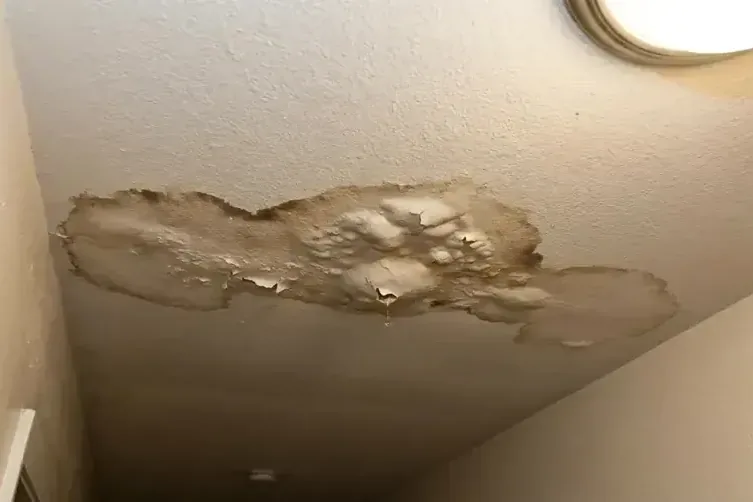 Ceiling Leak Water Damage in ValricoSagging or blistered ceiling finishes need a controlled overhead assessment. The inspection follows moisture above the visible stain and checks connected walls below.
Structural Drying and Dehumidification questions in Valrico, answered
Why is room humidity alone insufficient?
Room air and building materials do not always reach the desired condition together. A wall cavity or covered floor layer can remain wet after the room feels improved. Material readings at the affected locations show whether the drying arrangement is addressing those retained pockets.
Can opening windows replace dehumidification?
The effect depends on surrounding conditions and the drying arrangement. Unplanned changes can interfere with moisture control in the work area. The crew should establish how the space will be managed and assess progress through measurements from the actual wet materials.
Does every wet wall need to be removed?
Removal depends on contamination, damage and whether suitable drying access is possible. Some materials can remain, while others need selective opening or replacement. The proposed scope should connect each decision to the condition of the affected assembly and the available inspection access.
What happens if one area stops improving?
The crew reassesses the wet material, its covering and the equipment arrangement. Concealed pockets or limited airflow may require additional access. Repeat measurements help identify that problem so the plan can change rather than continuing an ineffective setup without further investigation.
Can equipment be switched off overnight?
The drying arrangement is designed around continued moisture removal and airflow. Unplanned interruptions can change its performance. Any noise, access or electrical concern should be discussed with the crew so adjustments preserve safe conditions and the intended treatment of wet materials.
When can new flooring be installed?
Installation follows assessment of the substrate and the requirements for the replacement finish. The restoration record should show the condition of the affected layers and remaining concerns. Substrate measurements and the replacement material requirements determine when the floor is ready to cover.
Structural Drying and Dehumidification in Valrico? Call now.
Standing water keeps wicking into drywall, subfloor and framing until it is pulled out. The restoration crew serving Valrico extracts it, dries the structure to the IICRC S500 standard and records every reading for the claim.
(888) 621-2041Discuss the wet structureSeffner Water Damage Restoration
Valrico, FL
Dispatch open every hour, every day of the year
Find us on Google