Temple Terrace Structural Drying
A room can feel dry while its lower wall or floor layers remain wet. Structural drying uses repeated material observations to direct equipment and determine when the next stage of repairs can proceed.
(888) 621-2041Assess moisture before closing finishes
What to do the moment you find structural drying & dehumidification
- Identify what can remain
Condition and exposure determine suitability for drying. Damaged or inaccessible layers may need selected removal before equipment can reach the retained assembly effectively.
- Establish initial observations
Moisture readings are associated with specific materials and locations. This creates a starting record for checking progress and helps distinguish a wet pocket from a generally humid room.
- Control air and humidity
Air movement and dehumidification are arranged around the work area. The setup accounts for access, room use and materials that need drying without obstructing required passage routes.
- Verify the next repair step
Repeated observations inform equipment adjustments and repair readiness. Materials should meet the appropriate drying objective before replacement finishes close cavities or cover surfaces that still need attention.
How structural drying & dehumidification is handled in Temple Terrace
Wall cavity moisture
Lower wall materials and concealed framing may retain water after a floor release. Selected access can help determine whether the cavity can dry effectively while preserving unaffected sections of the partition.
Layered floor assemblies
A finish and its underlying materials can dry at different rates. The assessment considers readings, adhesion and access before deciding whether the layers can remain together during the drying process.
Exposed building framing
Framing revealed during cleanup needs appropriate circulation and ongoing checks. The condition of connected surfaces matters before insulation or new finish materials cover the exposed members and limit future inspection.
Humidity within the work area
Moisture leaving materials must be managed in the drying environment. Dehumidification and circulation work together, with room conditions informing adjustments to equipment placement as the job progresses.
What does structural drying and dehumidification cost in Temple Terrace, FL?
Structural drying costs in Temple Terrace depend on affected materials, access, equipment needs and how the assembly responds. A clear estimate describes the initial setup and monitoring approach, with adjustments tied to documented conditions rather than a fixed appearance based deadline.
A limited assembly with straightforward access may need targeted equipment placement and moisture checks once the water source is controlled.
$1,000 to $3,000Connected walls and floors can require additional access and equipment adjustments when their layers respond differently within the same work area.
$3,000 to $7,000Numerous wet cavities or complex assemblies can expand opening, monitoring and equipment requirements before the remaining materials are ready for reconstruction.
$7,000 to $10,000+Every loss is priced on its own scope. Run the numbers in the water damage cost calculator for a planning range.
The structural drying and dehumidification process, start to dry
- 1
Document the wet assembly
The initial map identifies wet materials and reading locations. Source status, exposure decisions and access openings establish what remains for drying.
- 2
Arrange the drying environment
Equipment is positioned to circulate air across accessible wet surfaces and control humidity. Safe passage, occupied areas and the boundaries of the work space are considered during setup.
- 3
Respond to measured changes
Follow up observations compare material response across the affected area. Persistent wetness can trigger a change in access or equipment placement and a renewed check for an ongoing water source.
- 4
Record readiness for repairs
The closing record describes retained materials and their condition. Remaining repairs are identified so flooring, insulation or wall finishes can be installed in the appropriate sequence.
Drying is a sequence of decisions about materials, not simply a period with fans in a room. A wet floor layer, dense wall finish and exposed framing member can respond differently. Temple Terrace structural drying starts by identifying what is wet, what can remain and how equipment can reach it effectively.
Let the actual building set the plan
The city was planned as a Mediterranean Revival golf course community and retains houses designed by M. Leo Elliott and Dwight James Baum. Building activity increased after World War II, and mid century buildings also remain. That varied history makes the existing assembly an essential part of the inspection rather than a detail to infer from the exterior.
Florida College occupies some of the oldest local buildings. Woodmont Park and Riverhills Drive provide additional place references, but a drying plan depends on the material at the affected property. Layered finishes, enclosed cavities and built in cabinetry can each limit access to retained moisture.
Compare progress with a useful starting record
Initial readings and observations establish where the material is wet. Repeated checks then show whether that condition is changing under the equipment arrangement. A slow area can prompt a closer look for continuing leakage, restricted circulation or a layer that is keeping moisture concealed.
- Map readings to specific surfaces rather than only naming the room.
- Record openings that provide access to wet cavities.
- Adjust equipment when isolated materials respond differently from nearby areas.
Plan enclosure around material condition
Standing water extraction should precede the drying stage when pooling remains. A drying time worksheet can organize questions about access and materials, while the property readings determine the actual work. Replacement finishes should follow a clear account of source correction and retained material condition.
Moving air movers, closing off an equipment path or changing the drying space can alter performance. Any adjustment should be coordinated with the restoration plan and recorded material response.
Structural Drying and Dehumidification across Temple Terrace, FL
The city's residential ZIP areas include 33617 and 33637. Riverhills Park, Woodmont Park and Florida College offer familiar reference points when describing the property's location and the rooms affected by a leak.
Related water damage services in Temple Terrace
 Water Extraction & Removal in Temple TerraceStanding water can extend below carpet and behind floor trim. Extraction targets accessible pooling before moisture checks define the remaining wet material boundaries.
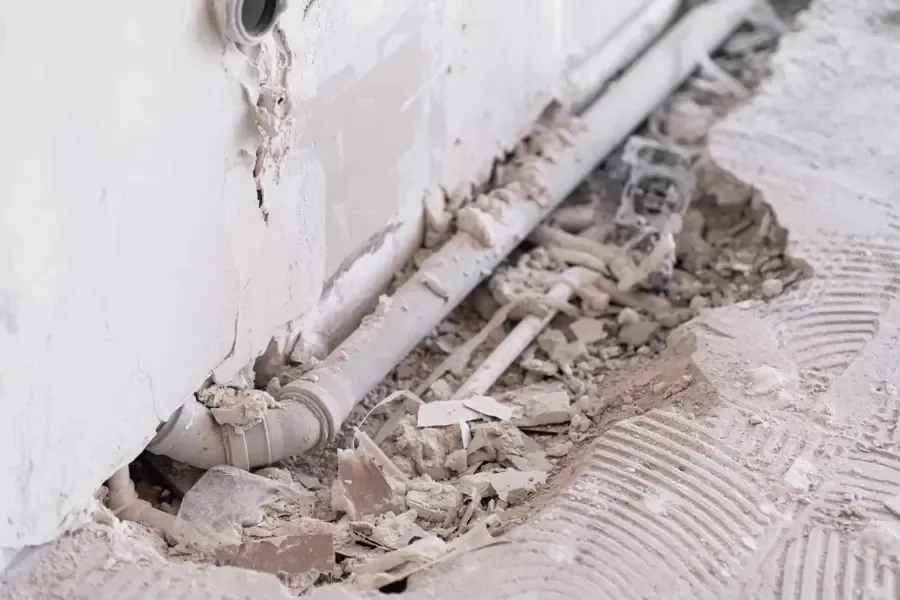 Slab Leak Water Damage in Temple TerraceWater appearing through flooring calls for source investigation beneath the surface. Cleanup follows the affected floor assembly while plumbing repairs address the escaping supply.
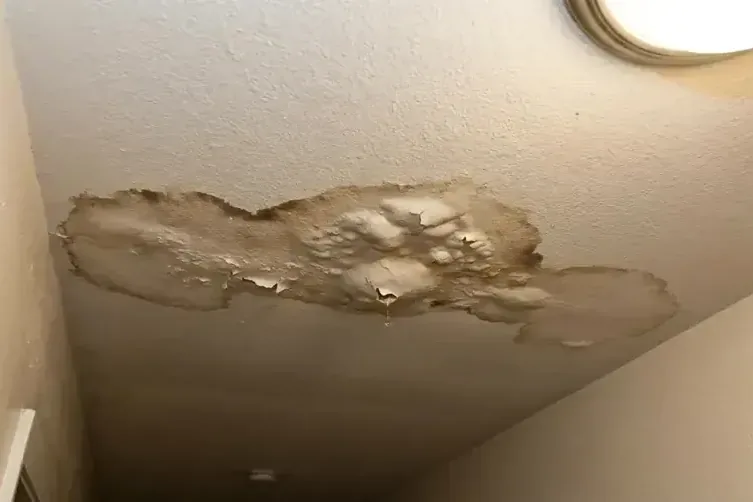 Ceiling Leak Water Damage in Temple TerraceBulging ceiling finishes deserve a clear floor underneath them. Inspection traces moisture above the surface before deciding which ceiling sections can remain safely.
Structural Drying and Dehumidification questions in Temple Terrace, answered
Does a dry feeling room mean the walls are ready?
Room comfort and concealed material moisture are different observations. A wall cavity or floor layer can remain wet while the air feels comfortable. Material readings and inspection help establish whether drying is complete enough for the next repair task.
Why are readings taken more than once?
Repeated observations show whether the equipment arrangement is changing the wet material condition. They also reveal areas responding differently from the rest. This information helps adjust access and circulation before repairs conceal a pocket of retained moisture.
Can equipment stay in a single position throughout?
Sometimes the initial arrangement continues to work, but changing conditions may require adjustment. Drying should follow the measured response of materials. A stubborn wet area can need different access or circulation rather than simply more time with unchanged equipment.
Will older finishes always need removal?
Age alone does not decide retention. Condition, exposure and drying access matter. The assessment should explain which material can remain and why selected openings are necessary to reach wet layers or address components that have lost integrity.
Can windows be opened to speed the process?
Changing the work area's air exchange can interfere with a controlled drying setup. Outdoor and indoor conditions need consideration before windows or doors are left open. Adjustments should be coordinated with the equipment plan and recorded material response.
What should remain in the final drying record?
Useful records connect the initial wet areas, material observations, access changes and final assessed conditions. They help explain the handoff to repairs and identify damaged components that require replacement even after the retained assembly has dried.
Structural Drying and Dehumidification in Temple Terrace? Call now.
Standing water keeps wicking into drywall, subfloor and framing until it is pulled out. The restoration crew serving Temple Terrace extracts it, dries the structure to the IICRC S500 standard and records every reading for the claim.
(888) 621-2041Discuss the wet structureSeffner Water Damage Restoration
Temple Terrace, FL
Dispatch open every hour, every day of the year
Find us on Google