Temple Terrace Commercial Water Damage
A wet lobby affects more than its flooring. Staff routes, stored records and adjoining rooms all become part of the restoration plan, with the manager receiving a scope organized around the actual affected spaces.
(888) 621-2041Discuss the wet business interior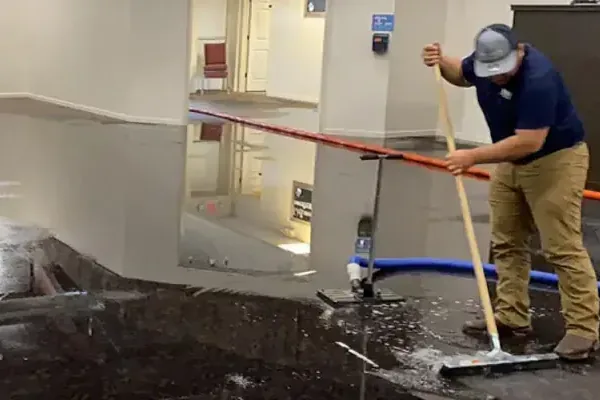
What to do the moment you find commercial water damage
- Establish a management contact
A manager explains the affected room uses, access constraints and sensitive contents. This information helps organize restoration while the source investigation proceeds.
- Compare wet and occupied spaces
Inspection follows moisture into connected areas. Management identifies staff routes so the work boundary reflects both the building damage and actual occupancy.
- Protect business contents
Furnishings and stored items receive condition records before relocation. Equipment positioning preserves appropriate access while restricted spaces remain separate from normal staff movement.
- Schedule the remaining repairs
The room record distinguishes drying from replacement tasks. Management uses those findings to arrange contractor access and prepare affected spaces for their intended activities.
How commercial water damage is handled in Temple Terrace
Lobbies and shared corridors
Water in a circulation area disrupts building access. Extraction and equipment planning account for safe passage while adjoining finishes are checked for hidden migration.
Offices and stored materials
Furniture, files and equipment may obstruct access or retain water against surfaces. A documented relocation plan helps expose the wet area while keeping affected items distinct from unaffected business contents.
Activity and meeting rooms
Room function shapes access and contents protection, while the actual flooring and wall assemblies shape drying. The scope connects these needs so managers can understand what work each space requires.
Connected tenant interiors
Water may pass beyond a visible room boundary into adjoining finishes. Inspection findings should identify the affected spaces clearly so access coordination and repair responsibilities can follow the actual damage footprint.
What does commercial water damage cost in Temple Terrace, FL?
Temple Terrace commercial restoration pricing reflects the affected space, contents handling, access arrangements and material drying needs. The estimate should separate extraction, cleaning and drying from later replacement work, with room specific descriptions that help management follow changes to the scope.
A limited wet space allows targeted extraction and drying when contents and safe circulation are straightforward to arrange.
$1,000 to $3,000Water across offices or shared areas can increase contents handling, inspection and equipment requirements as work boundaries extend through the building.
$3,000 to $7,000Extensive assemblies, restricted access or contaminated water can broaden cleanup needs, with reconstruction and source repairs documented separately.
$7,000 to $10,000+Every loss is priced on its own scope. Run the numbers in the water damage cost calculator for a planning range.
The commercial water damage process, start to dry
- 1
Record building conditions
The assessor identifies wet surfaces, source information and contents exposure. Management supplies room layouts and access needs to shape the initial restoration scope.
- 2
Organize the work area
Extraction routes and material handling are planned around safe access. Newly discovered moisture can change restrictions, requiring updated arrangements with the designated building contact.
- 3
Explain drying progress
Observations connect each room with its affected assemblies. The progress record shows where equipment is still needed and which material decisions remain outstanding.
- 4
Describe remaining repairs
The handoff separates completed restoration from source repairs and finish replacement. Managers can then coordinate the appropriate trades for each affected space in the building.
Water in a business interior creates immediate decisions about who can enter, what must move and which rooms connect to the loss. Temple Terrace commercial restoration turns those decisions into a room specific scope. The water source and building condition determine the work, while the manager coordinates staff, occupants and repair access.
Account for the building's activities
Florida College occupies some of the oldest buildings in the city. The Family Recreation Complex contains courts, studios and classrooms, and the Omar K. Lightfoot Center offers senior recreation and social programs. This range of local building uses illustrates why a restoration assessment needs to consider room function alongside the materials that became wet.
An office lobby, storage room and activity space each have different contents and access needs. The work plan should identify how each affected space is used and whether its contents need relocation or protection. Managers can provide room layouts, operating constraints and information about sensitive items before equipment is placed.
Set boundaries that staff can follow
- Identify wet rooms and any connected spaces requiring inspection.
- Separate equipment routes from occupied circulation where conditions allow.
- Document furnishings, stored materials and equipment before relocation.
Work boundaries may change as concealed moisture is discovered. Those changes should be explained clearly so occupants do not cross a newly restricted area or move equipment that serves a drying zone. Contamination or electrical exposure can require broader restrictions than the visible puddle initially suggests.
Use a repair handoff organized by space
Commercial floor water removal clears accessible pooling, while material drying and dehumidification addresses retained moisture. A room based record can show which areas are still drying, which materials require replacement and which source repairs remain open. That makes the restoration scope useful for management decisions as well as the next trade.
Wet electrical equipment, unstable ceilings or contaminated areas need appropriate restrictions. Staff access should follow the assessed building condition and the established cleanup work plan.
Commercial Water Damage across Temple Terrace, FL
The city's residential ZIP areas include 33617 and 33637. Riverhills Park, Woodmont Park and Florida College offer familiar reference points when describing the property's location and the rooms affected by a leak.
Related water damage services in Temple Terrace
 Water Extraction & Removal in Temple TerraceStanding water can extend below carpet and behind floor trim. Extraction targets accessible pooling before moisture checks define the remaining wet material boundaries.
 Structural Drying & Dehumidification in Temple TerraceSurface appearance cannot settle a drying decision. Repeated readings help assess framing, flooring and wall cavities before repairs conceal the affected materials again.
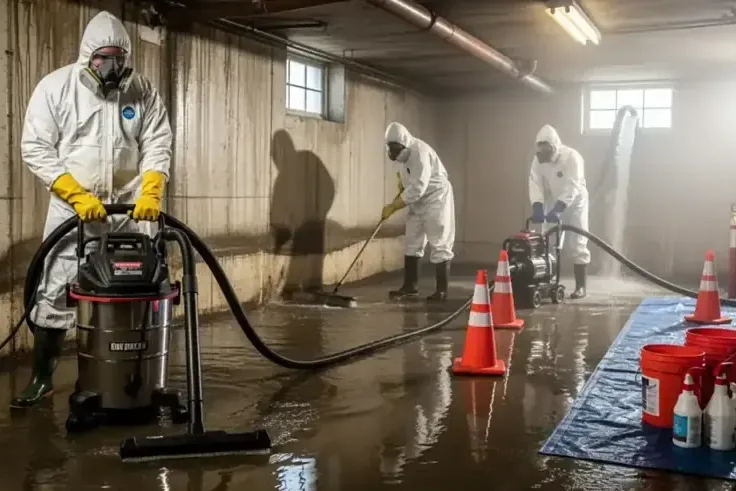 Sewage Backup Cleanup in Temple TerraceWastewater requires a restricted work area and careful handling of exposed materials. Cleaning decisions depend on contact, absorbency and the route of the backup.
Commercial Water Damage questions in Temple Terrace, answered
Can a business remain open during restoration?
That depends on the source, building condition and separation between work and occupied spaces. Management and the restoration assessment need to establish safe access. Some affected areas may require restrictions that prevent their normal use during the work.
What information should a manager have ready?
Room layouts, access constraints, source observations and details about sensitive contents are useful. A designated contact can coordinate these points as the scope changes. Staff should not enter a hazardous area solely to collect more information or photographs.
Why organize the scope by room?
A room based account connects materials, contents and repair tasks with actual spaces managers recognize. It can show where drying continues and where replacement is still needed, making access coordination easier than a single undifferentiated description of building damage.
Can employees move drying equipment out of a walkway?
Equipment changes should be coordinated with the work plan. A safer route or revised setup may be needed, but moving devices casually can interrupt drying. Staff should report the access concern so placement and passage can be addressed together.
Are furnishings included in the damage assessment?
Their condition and water contact should be recorded because they affect both recovery decisions and access to the building materials. Contents handling may be a separate scope item. Clear documentation helps distinguish furnishings from floor, wall and ceiling repairs.
Does the repair plan include the water source?
The plan should identify the source correction and who is responsible for that work. Plumbing, roofing or equipment repair may involve another trade. Restoration records water removal and material drying alongside those tasks so management can coordinate the full recovery.
Commercial Water Damage in Temple Terrace? Call now.
Standing water keeps wicking into drywall, subfloor and framing until it is pulled out. The restoration crew serving Temple Terrace extracts it, dries the structure to the IICRC S500 standard and records every reading for the claim.
(888) 621-2041Discuss the wet structureSeffner Water Damage Restoration
Temple Terrace, FL
Dispatch open every hour, every day of the year
Find us on Google