Structural Drying in Brandon
The useful question is where moisture remains after visible water is gone. Structural drying combines access, airflow and humidity control, then checks whether the affected building materials are actually progressing.
(888) 621-2041Discuss materials that remain damp
What to do the moment you find structural drying & dehumidification
- Confirm the source is controlled
Drying cannot make consistent progress while fresh water enters. Keep repair findings available so the equipment plan starts with a clear account of source status.
- Identify the retained assemblies
List damp walls, floors and fixed finishes left after removal. Their materials and accessibility determine where readings and controlled airflow need to be concentrated.
- Protect the equipment arrangement
Keep contents away from airflow paths and avoid moving machines. Discuss any access or noise concerns before changes interfere with the measured drying environment.
- Use the progress record
Compare recurring material readings with the initial map. A slow location may need a different access decision rather than simply more time in the same setup.
How structural drying & dehumidification is handled in Brandon
Damp retained wall framing
Exposed framing can be monitored at consistent locations while air movement and humidity control support evaporation. Its readings help establish whether surrounding enclosed areas also require drying access.
Moisture beneath floor finishes
Dense substrates and layered flooring can retain water after the top surface clears. Assessment identifies which layers are accessible and whether the planned method can reach the remaining moisture.
Enclosed assembly pockets
A wet cavity may receive little benefit from equipment placed outside it. Selective access or a revised arrangement helps connect drying conditions with the material that actually remains damp.
Humidity released during recovery
Moisture leaving the building materials enters the surrounding air. Dehumidification manages that load, with air measurements considered alongside material readings throughout the controlled drying period.
What does structural drying and dehumidification cost in Brandon, FL?
Structural drying costs in Brandon reflect the amount of retained wet material, its accessibility and the equipment arrangement needed to reach drying goals. Dense flooring layers and enclosed cavities can require more work than exposed, readily drying surfaces.
A compact footprint with exposed materials supports a smaller equipment arrangement and consistent readings throughout the drying period.
$1,200 to $2,200Cavities and floor layers require selected openings, adjusted airflow and additional checks across materials with different drying behavior.
$2,200 to $5,000Restricted exposure and deeper moisture pockets need specialized arrangements and more monitoring before retained assemblies reach their drying goals.
$5,000 to $8,000+Every loss is priced on its own scope. Run the numbers in the water damage cost calculator for a planning range.
The structural drying and dehumidification process, start to dry
- 1
Set the baseline and targets
The initial survey maps moisture and identifies suitable dry comparison materials. These points establish what later readings must describe rather than relying on appearance alone.
- 2
Arrange access and air control
Exposed surfaces receive directed airflow while dehumidification manages the resulting moisture load. The setup accounts for room separation, contents obstacles and any remaining inaccessible wet layers.
- 3
Interpret the material trend
Recurring checks compare consistent locations and indoor conditions. A stalled reading triggers investigation of source status, restricted exposure or equipment placement before the approach continues unchanged.
- 4
Record the drying endpoint
The completion record describes retained materials and their condition against the selected goals. Remaining reconstruction tasks can then proceed with a clear account of the moisture work.
Brandon's humid subtropical climate makes indoor humidity measurement useful during restoration. Drying depends on both the damp material and the air receiving its moisture. A comfortable room temperature or a clear floor surface gives only part of the picture when water remains inside walls, flooring or other retained assemblies.
Choose comparison points before moving equipment
In a Limona home, the assessment begins with the affected material and a suitable dry reference. In Hill-Dale Heights, layered flooring may need access decisions based on its actual construction. A Kensington Estates property receives the same material-specific approach, with the equipment arrangement determined by the inspected rooms rather than a neighborhood assumption.
The initial map records where readings were taken so later checks can compare meaningful locations. Extraction before drying removes accessible liquid efficiently; evaporation then addresses moisture held in retained materials. Cleaning and necessary removal must also be complete where contaminated water affected the structure.
Make the drying air reach the moisture
Air movers direct flow across exposed damp surfaces. Dehumidifiers remove moisture from the air so it can continue receiving evaporation from those surfaces. An enclosed wet cavity can interrupt that process, requiring additional access or a different arrangement even when equipment operates continuously nearby.
- Identify materials that remain enclosed behind intact finishes.
- Track indoor air conditions alongside readings from the actual structure.
- Keep equipment positioned for the assessed wet footprint.
- Investigate a stalled trend before extending the same setup without changes.
Decide completion from the material record
Some surfaces release moisture more readily than dense or layered assemblies. The drying time estimator can help organize expectations, while the property's measurements determine the practical endpoint. A clear handoff identifies retained materials, comparison readings and remaining repairs, so new finishes are installed after the moisture work has reached its goal.
Structural Drying and Dehumidification across Brandon, FL
Brandon is an unincorporated community in Hillsborough County. Requests can identify the neighborhood, nearest familiar corridor and affected room, helping describe the property situation without confusing the water source with its location.
Related water damage services in Brandon
 Water Extraction & Removal in BrandonStanding water needs a removal method matched to depth, access and contamination. Inspect the remaining damp materials after the puddle disappears from view.
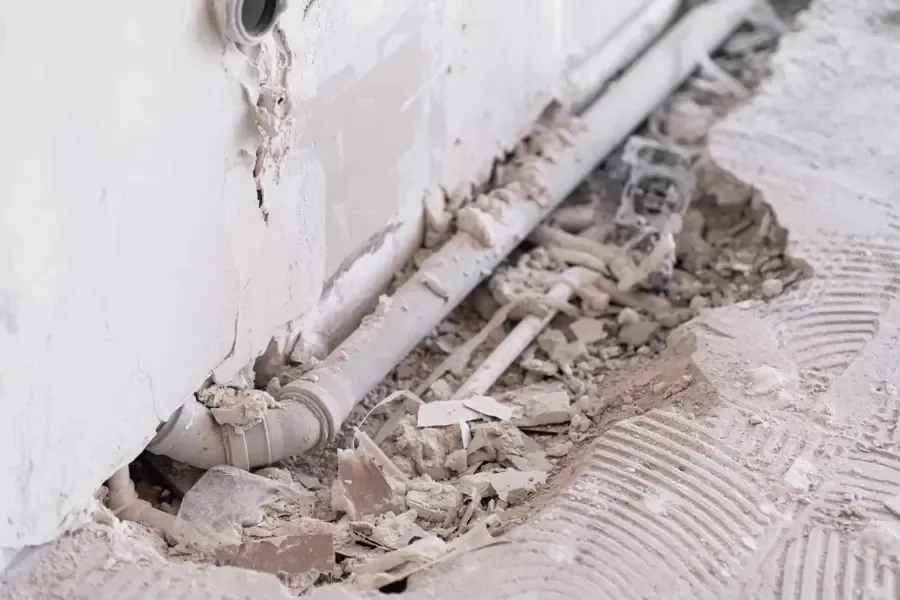 Slab Leak Water Damage in BrandonA damp floor can conceal water below its finish. Plumbing diagnosis and moisture mapping establish where access is useful before flooring is opened.
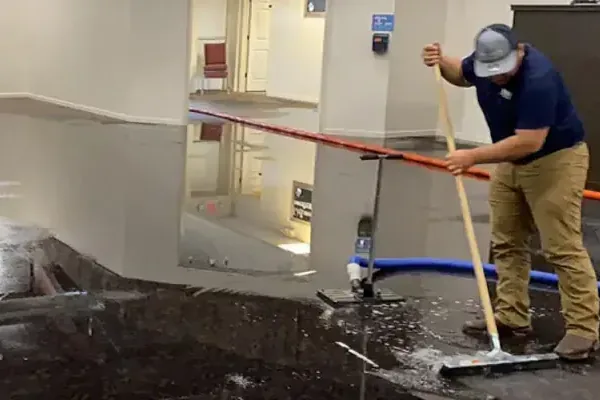 Commercial Water Damage in BrandonBusiness recovery depends on access, affected equipment and room priorities. A written mitigation scope helps occupants coordinate work around isolated wet areas safely.
Structural Drying and Dehumidification questions in Brandon, answered
Why are both air and material readings needed?
Air measurements describe the drying environment, while material readings show the condition of the building itself. Together they help explain progress. A comfortable room or low indoor humidity alone does not show whether a floor layer remains damp.
Can ordinary fans complete structural drying?
Air movement helps moisture leave an exposed surface, but the surrounding air also needs to receive that moisture. Dehumidification, access and measurements complete the plan. A fan beside an enclosed wet assembly may leave its deeper layers unaffected.
What causes a drying reading to stop improving?
Possible causes include ongoing entry, restricted surface exposure or moisture held in a deeper layer. The assessment checks those conditions and the equipment arrangement. A stalled trend deserves investigation before the same setup is simply left longer.
Should windows remain open during equipment use?
Window position affects the controlled environment and should follow the drying plan. Outdoor air can change indoor humidity and equipment demand. Any adjustment is best coordinated so the material readings continue to reflect a consistent setup.
How is the drying target chosen?
The assessment considers the affected material and suitable dry comparison areas. Repeated readings at defined locations track progress toward that condition. The endpoint is tied to retained assemblies and repair readiness rather than a fixed calendar promise.
Does extraction remove the need for dehumidifiers?
Extraction removes accessible liquid efficiently, but absorbed water can remain inside materials. Dehumidification helps manage moisture released during evaporation. The inspection determines whether that stage is needed and how the equipment should serve the remaining wet footprint.
Structural Drying and Dehumidification in Brandon? Call now.
Standing water keeps wicking into drywall, subfloor and framing until it is pulled out. The restoration crew serving Brandon extracts it, dries the structure to the IICRC S500 standard and records every reading for the claim.
(888) 621-2041Discuss the wet structureSeffner Water Damage Restoration
Brandon, FL
Dispatch open every hour, every day of the year
Find us on Google