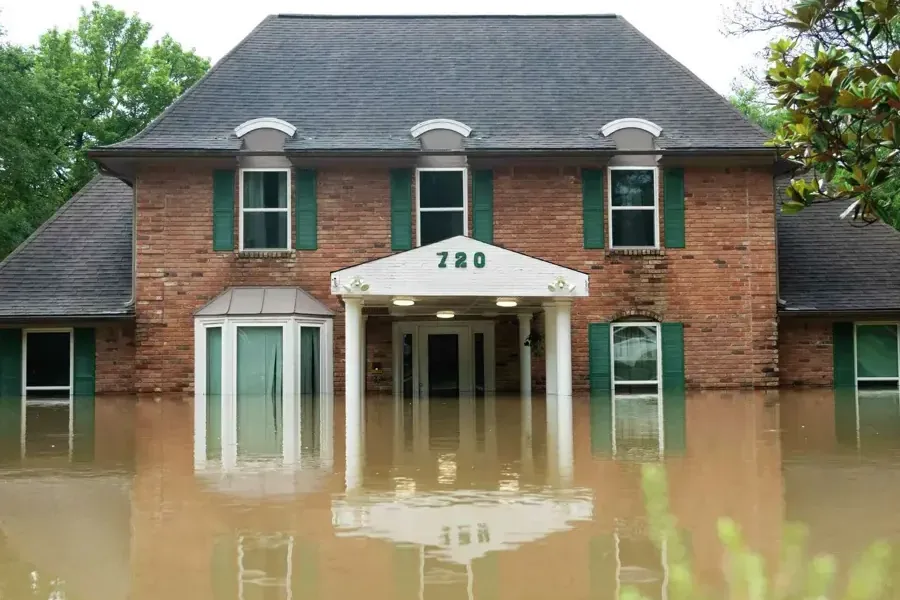
Lake Weeks lies on the southeast side of Seffner. Hillsborough County identifies inland flooding near lakes and low elevations as a recurring concern during heavy or steady rainfall. When outdoor water approaches a home, the immediate questions are practical: whether the entrance is safe, where water is crossing the building boundary, and which materials have already become wet.
Key takeaways
- Keep occupants out of moving water and wet electrical areas.
- Record where outdoor water first crosses a doorway or wall.
- Separate water removal inside from drainage conditions outside.
- Plan cleaning before drying materials touched by outdoor water.
- Retain photographs of changing conditions through the cleanup.
Check the approach before opening the house
A familiar entrance can become unsafe when water hides the walking surface. Occupants should remain on dry ground and follow emergency access restrictions rather than crossing a flooded yard to inspect a room.
A restoration visit needs a usable route for people and equipment as well as a place to work.
From a safe position, an owner can describe whether water is rising against the door, sitting below the threshold or already flowing inside. Photographs should include the surrounding ground and doorway in the same view.
That relationship helps explain the entry sequence when the outside water later disappears.
Power also affects access decisions. Wet outlets, submerged equipment and electrical cords in water require an exclusion area and assessment by the appropriate professional.
A dry switch elsewhere in the house should never be treated as permission to enter a wet room with unknown electrical conditions.
- Identify a dry meeting point for the arriving crew.
- Keep children and animals away from the affected entrance.
- Report blocked exits before discussing furniture movement.
- Leave electrical isolation to qualified help when access is wet.
Record the first crossing point
The useful starting point is where water crossed from outside to inside. A threshold stain, mud at a wall joint or wet flooring beside a door can each help establish that route.
An owner should describe what was actually visible before cleanup changes the scene.
The storm flood cleanup service can use those observations to plan removal and cleaning. An entry photo is most helpful when another image shows the whole room, including the water path around furniture.
Close views alone can make a small corner appear disconnected from the larger loss.
Water may continue beyond the room where it first appears. Hallways, floor transitions and the opposite side of a shared partition deserve inspection when they connect to that room.
Technicians can mark the affected boundary as they examine materials, then revise it when access reveals additional moisture.
- Note the entrance where water first appeared.
- Photograph sediment before it is disturbed.
- Identify adjoining rooms with connected flooring.
- Separate firsthand observations from later contractor findings.
Account for water still waiting outside
Removing indoor water becomes a different task when the outside level remains above an entrance. The crew needs to understand whether another inflow is likely during the work.
Opening doors or moving barriers without that assessment can expose a freshly cleared room to another release.
County flood information describes how heavy or steady rain can cause inland flooding. Near Lake Weeks, property observations should accompany that wider warning: the current yard condition, the doorway height relative to water and any visible return flow.
These details make the cleanup plan specific to the building.
Changes should be recorded as the event develops. A photograph showing outdoor water lower than the threshold may help explain why access became possible later, while a fresh indoor puddle can show renewed entry.
The work record should connect those changes with decisions to pause, resume or adjust extraction.
Sort contents by contact and handling needs
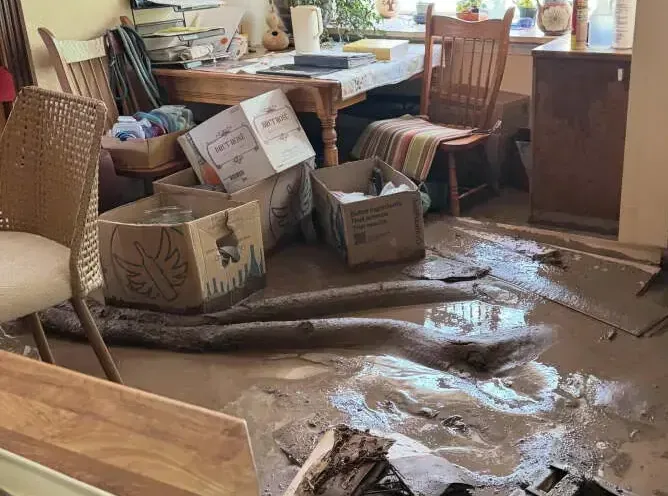
Outdoor water can leave soil and contamination on the floor and on anything resting there. Items should be assessed according to their material and actual contact with that water.
A clean upper shelf and a saturated cardboard box beneath it need different handling decisions despite occupying the same room.
Before contents move, the owner can provide a list of priority items and identify documents or irreplaceable belongings. The crew can plan a clean destination and a controlled route for removal.
Dragging wet objects across unaffected flooring creates another area that needs attention and makes the original boundary harder to follow.
Photographs and item descriptions should precede disposal whenever safe conditions allow. Record the object, where it stood and what damage was visible, then retain the cleanup team's handling recommendation.
Disposal arrangements should be coordinated with the owner so that a cleared room still has a usable contents record.
- Distinguish dry elevated belongings from wet floor contents.
- Keep affected boxes away from clean storage areas.
- Record items before approved removal.
- Choose a clean destination before moving salvageable contents.
Remove deposits before directing drying air
Water removal, cleaning and drying address different conditions. Recovering standing liquid leaves behind wet material and may leave sediment in corners or beneath finishes.
Air movement should follow assessment and necessary cleaning so that the setup supports recovery of suitable materials rather than spreading floor debris.
A room may need selective access around trim, cabinets or layered flooring. The reason for each opening should be visible in the work notes, such as trapped water or material that cannot be effectively cleaned in place.
Broad demolition based only on the appearance of the front doorway is a poor substitute for inspection.
For retained assemblies, structural drying follows moisture measurements across the affected area. Equipment selection and placement can change as different materials respond.
A floor that looks clear after extraction still needs the same documented attention as a wall with an obvious water mark.
Keep the event record readable
A useful folder tells the story in order: outdoor approach, first entry, affected rooms, contents decisions, cleaning and drying progress. Each photograph needs a room label or a short description.
A large collection of unlabeled closeups can be difficult to interpret after furniture and floor coverings have moved.
Separate reports about outdoor drainage from invoices for work inside the house. The owner may need both, but the cleanup record should identify the actual tasks performed at the property.
Crew notes can also explain why equipment stayed in one room after another room was ready for repair.
The local service area page can help an owner identify the restoration coverage described on the site. During the job, the more useful handoff is a written list of remaining tasks and responsible trades.
That list should accompany the final moisture record instead of being left as a verbal conversation.
- Label photographs with the room and observed condition.
- Keep contents decisions with the corresponding item images.
- Retain changes to the affected-area sketch.
- List repair tasks that remain after drying equipment leaves.
Prepare the next repair decision
Before replacement finishes arrive, the owner should know which materials remain, which were removed and which need further evaluation. Those decisions affect the scope of flooring, trim and wall repairs.
A repair proposal becomes easier to compare when it refers to the same rooms and openings as the mitigation notes.
Any repeated water entry needs a separate source discussion. A contractor may need to evaluate a threshold, wall opening or exterior drainage detail according to the observed route.
The record of the original event helps that inspection focus on the place where water actually crossed the building boundary.
The end of extraction is therefore a handoff rather than the end of every task. Cleaned surfaces, drying results, contents arrangements and source followup should each have an identified status.
A homeowner can then schedule the next trade with a clear understanding of what is ready and what still needs attention.